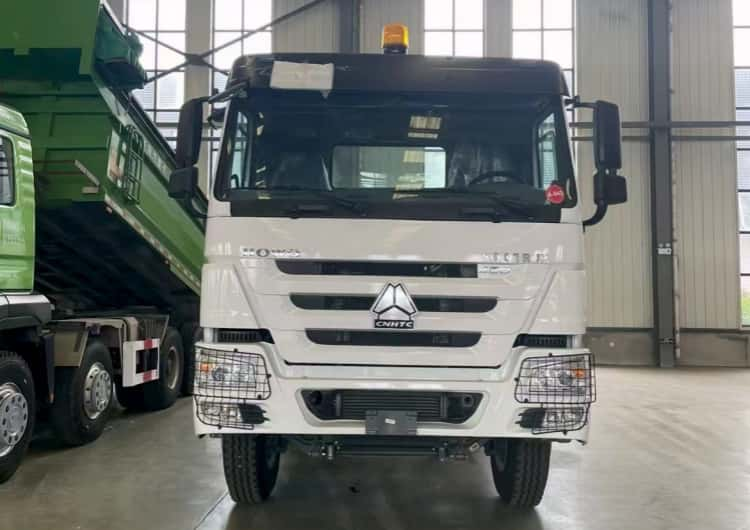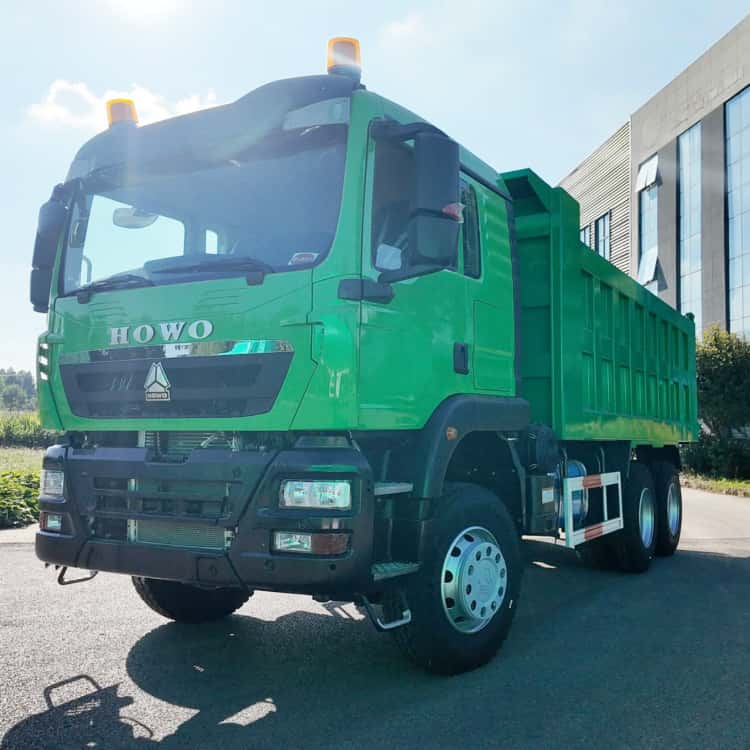
Why Standardized Remanufacturing Matters for Global Heavy Vehicle Buyers?
Intro
Heavy truck fleets that operate across multiple countries face a uniquely fragmented marketplace. What counts as “standardized remanufacturing” in one region may be classified as a repaired used vehicle, refurbished asset or even scrap in another. Local inspection rules, customs codes, safety requirements and supplier quality practices vary widely. Without shared, recognised reman standards, international buyers carry layers of hidden risk: inconsistent build quality, delayed shipments at borders, invalid warranties and unexpected breakdowns far from home bases.
REMAN ROAD standardized remanufacturing frameworks solve these pain points. They deliver a common engineering language for suppliers, auditors, customs authorities and fleet managers alike. That is why standardised reman is not merely a quality preference — it is a practical business necessity for global heavy vehicle buyers.
Eliminating Conflicting Definitions Across Borders
The biggest headache for cross-border buyers is inconsistent terminology. One vendor may label a surface-refreshed overhaul a “reman truck”. Another may reserve the term only for fully torn-down, NDT-validated assets reset to original design performance. This confusion creates costly classification disputes at customs.
Authorities may impose higher import duties, hold consignments for lengthy inspections or reject shipments entirely if they cannot verify whether the unit is remanufactured, overhauled or second-hand. Standardized remanufacturing defines clear, auditable criteria for what qualifies. When a truck carries REMAN ROAD certification, buyers have documented proof of the workflow, which supports smoother customs clearance and reduces subjective judgement from regional regulators.
Consistent Quality, No Matter Where the Reman Facility Is Located
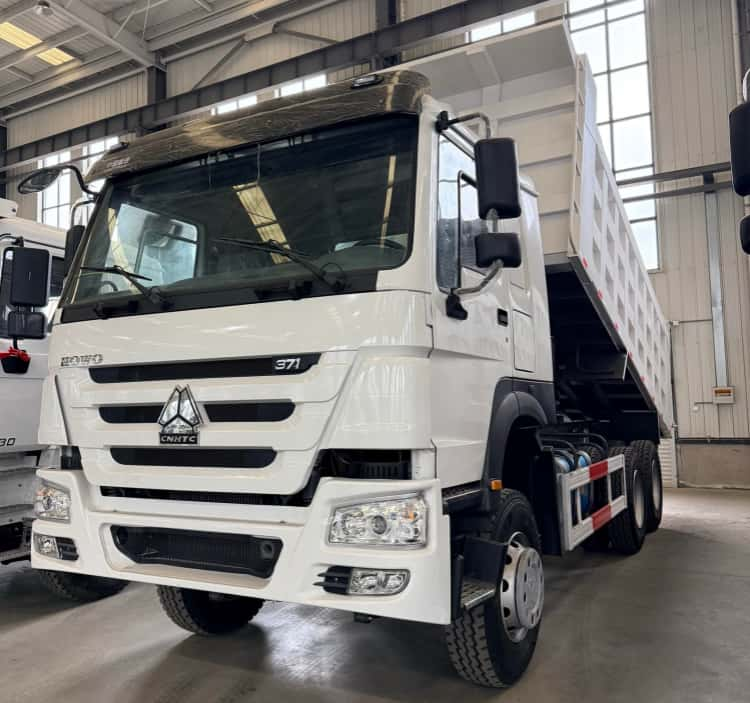
Global fleets often source reman trucks and components from suppliers in different countries. Without unified quality gates, each workshop follows its own internal checklist. A buyer could receive one unit built to rigorous engineering limits and the next patched together with reused fatigued parts, with no simple way to tell the difference before failure occurs.
Standardisation locks in mandatory steps: core intake screening, full disassembly, component grading, non-destructive testing, staged quality approvals, system bench testing and traceability logging. It removes reliance on individual technician skill or local workshop habits. For multinational mining, construction and haulage fleets, this means they can set one global purchasing specification instead of negotiating separate quality terms with every overseas supplier.
Reliable Warranty and After-Sales Support Across Markets
Warranty coverage frequently falls apart in cross-border transactions. Many small refurbishers offer short, geographically limited guarantees that become unenforceable once the truck leaves their home country. When a breakdown happens thousands of kilometres away, fleet operators face expensive emergency repairs with no recourse to the original seller.
Standardized remanufacturing structures warranty around the certified asset record. Every test report, component serial number and repair action is logged. This traceable file travels with the truck. Service partners in different regions can validate the certification, understand what work was completed and honour agreed warranty terms. It turns a local supplier promise into a globally verifiable asset guarantee.
Predictable TCO and Long-Term Asset Planning for International Fleets
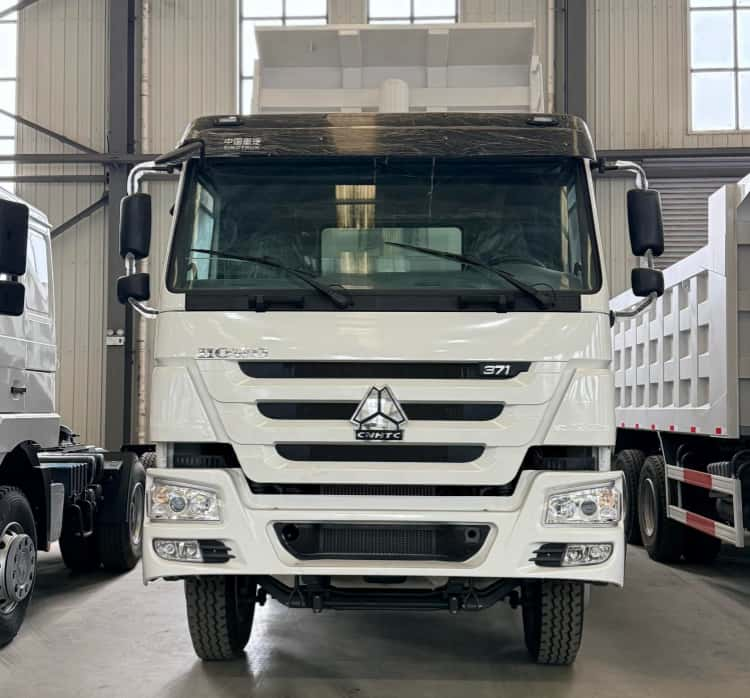
Global fleet budgeting becomes unreliable when reman quality is unstandardised. A cheap, uncertified unit may seem attractive on the purchase order, yet it can trigger repeated downtime, rising maintenance bills and early write-offs. This volatility makes ROI forecasting extremely difficult for finance teams managing assets spread across multiple operating zones.
Standardized remanufacturing resets the asset lifecycle on measurable terms. Buyers can compare certified reman trucks from different suppliers using the same performance, expected service life and residual value benchmarks. It simplifies side-by-side tender evaluation and supports consistent long-term TCO modelling, whether the trucks operate in African mines, Central Asian transit corridors or regional domestic haul routes.
Supporting Responsible Circular Trade and ESG Reporting
More global fleet operators are required to track and disclose carbon savings, waste reduction and circular procurement metrics. Unregulated refurbishment projects rarely generate reliable data for ESG reports. It is hard to prove embodied carbon savings if there is no formal record of which components were recovered, tested and reused.
Standardized remanufacturing captures this evidence systematically. It documents core reuse rates, raw material avoided and energy saved versus new manufacturing. REMAN ROAD’s structured records give procurement teams credible, audit-ready evidence for sustainability disclosures, without relying on self-reported claims from suppliers.
Closing
For global heavy vehicle buyers, standardized remanufacturing bridges gaps between different regulatory zones, supplier cultures and local industry practices. It removes definition chaos, stabilises quality, protects warranty rights and makes cross-border circular procurement practical and accountable. Without these shared standards, reman remains a high-risk, opaque purchase. With frameworks like REMAN ROAD in place, global fleets can treat certified reman trucks as trusted, comparable assets fit for international heavy-duty operations.