The Basics of Reman Loop Circulation in Heavy Truck Remanufacturing
Introduction
Many people associate circular economy only with recycling — melting scrap metal down to raw material. For heavy trucks, remanufacturing creates a more value-preserving model: closed-loop circulation. Instead of retiring an asset into scrap after its first service life, the system recaptures qualified cores, restores them to standard specifications, and places them back into operation.
Under REMAN ROAD, a closed reman loop is not just a sustainability slogan; it is a structured cycle of core return, qualification, reman, redeployment and eventual re-entry for another round of assessment. This keeps high-value engineered components in use, rather than losing embedded energy and manufacturing value to recycling.
What reman loop circulation means for heavy trucks?
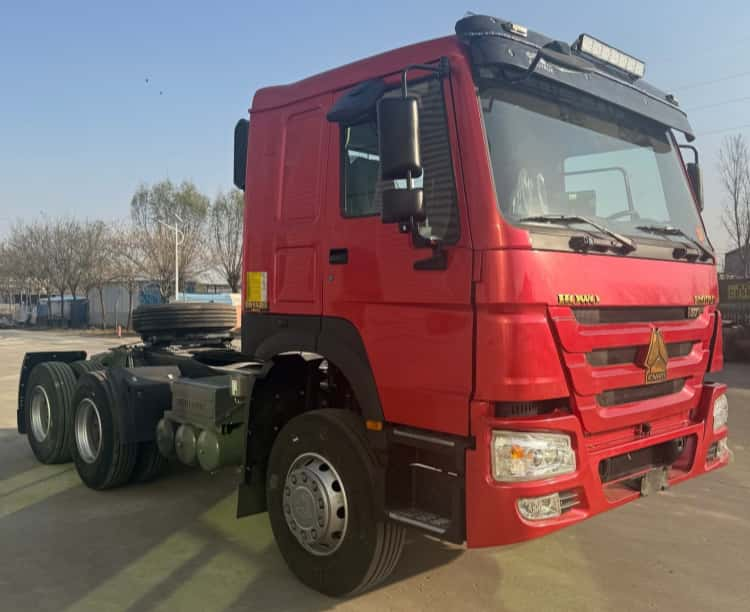
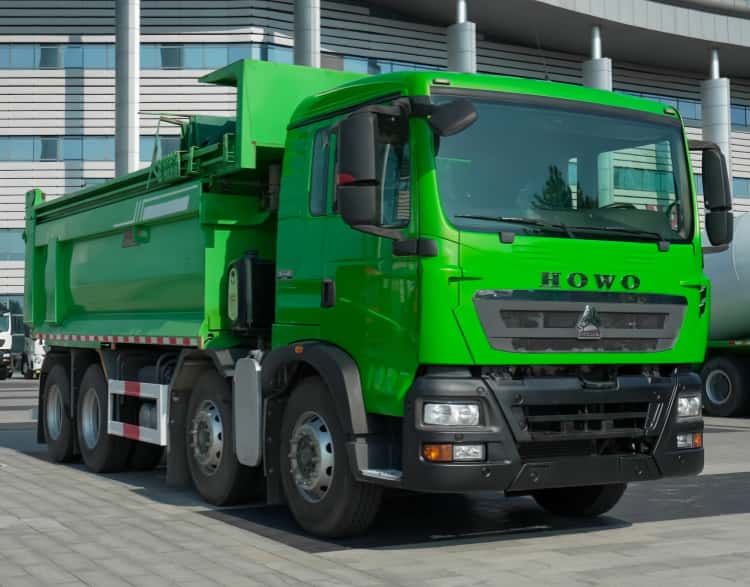
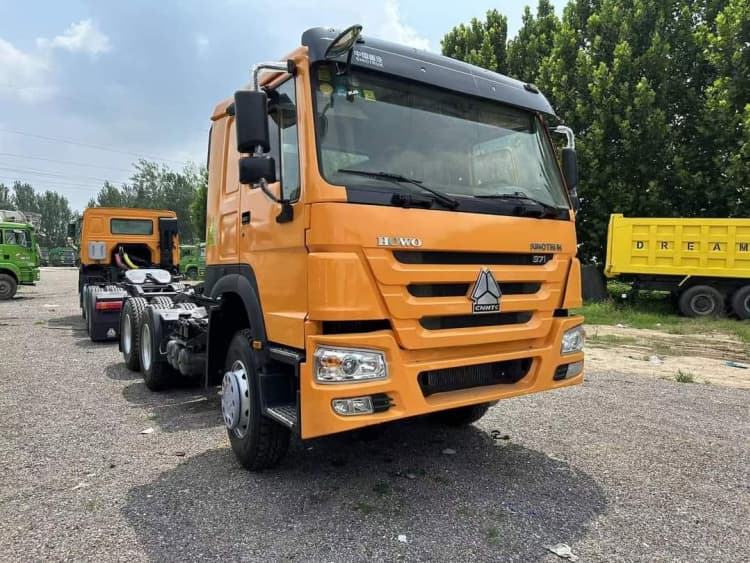
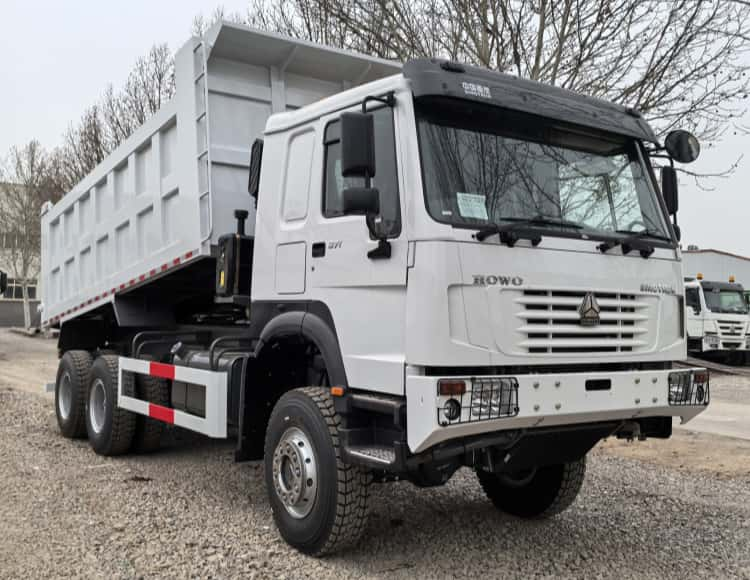
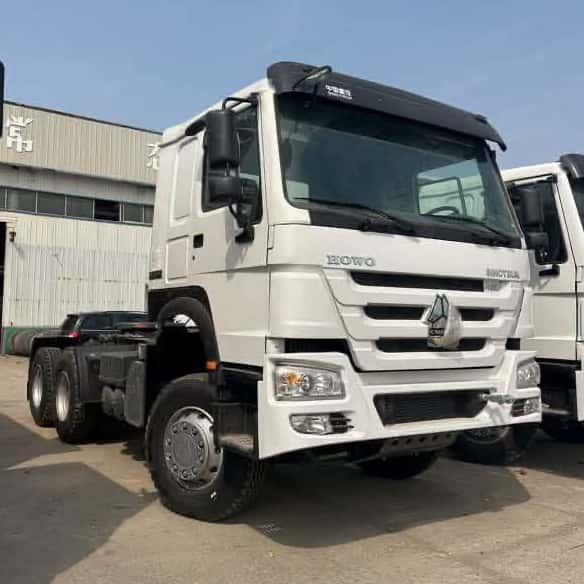
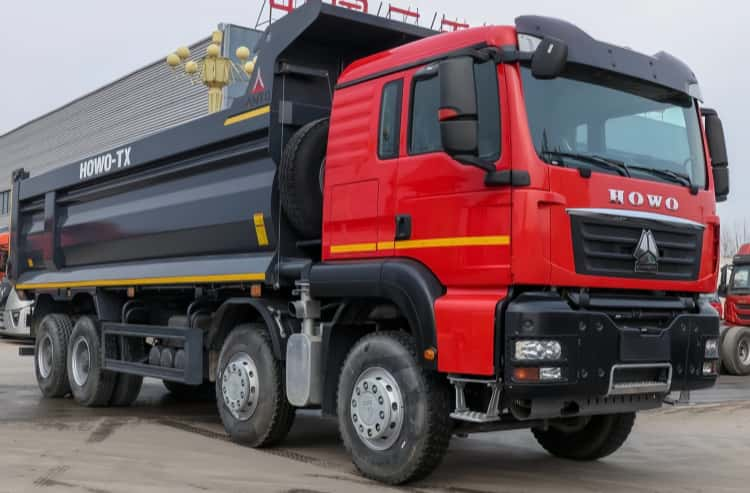
A closed reman loop describes a controlled cycle where assets or cores flow back to the remanufacturer once they reach the end of their current service period. It follows this simple logic: A certified reman truck enters fleet service → when it reaches its service limit, it is returned as a core → it is screened for reman eligibility → qualified units go through standardized reman process → it is redeployed again.
If a core fails qualification due to irreversible fatigue or damage, it exits the reman loop and moves to material recycling. This sets it apart from an open-loop model, where used trucks are sold, scrapped or rebuilt randomly with no planned return path. In open reman loops, valuable cores often disappear into informal markets or scrap yards with no chance of controlled reman.
The key stages of the heavy truck closed reman loop
Planned core take-back
The reman loop starts with a clear take-back agreement. Fleets return old vehicles, chassis or major assemblies at the end of their service term, rather than disposing of them through random resale. This predictable supply of cores is the foundation of stable closed-loop operations.
Without scheduled take-back, reman production depends on spot purchases of unknown used stock, which brings inconsistent quality and unpredictable lead times. REMAN ROAD’s traceability system tracks each unit from the moment it leaves the reman facility, making it easier to identify and recover it when its service cycle ends.
Core qualification and sorting
Once returned, every core undergoes the same intake audit: dimensional checks, corrosion measurement, NDT for fatigue cracks, and review of its service and repair history. Three outcomes are possible:
- Qualified core: enters the standardized reman process workflow for full teardown, restoration and testing
- Conditional core: only certain components are salvageable; usable parts are harvested into the component pool, the rest scrapped
- Non-qualified core: structural damage or exhausted fatigue life means it cannot be remanufactured, routed for metal recycling
Sorting prevents poor cores from consuming reman resources and protects the reliability of the whole loop.
Standardised remanufacturing and lifecycle reset
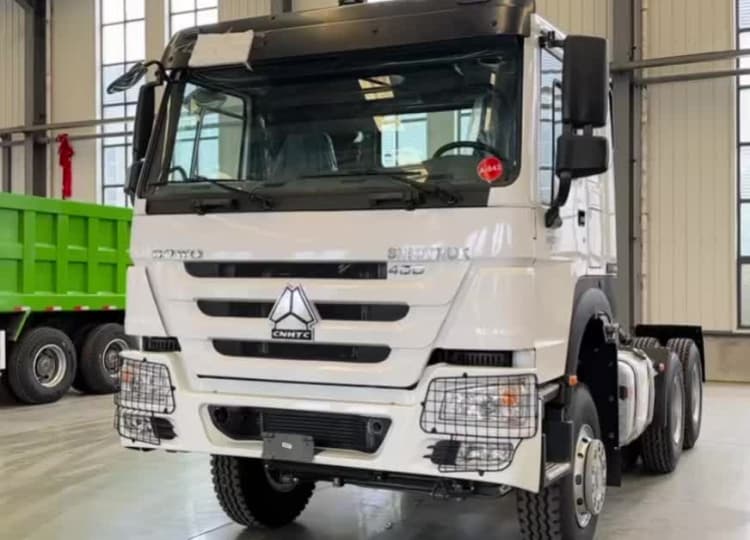
Qualified cores go through the full standardized reman process: complete disassembly, cleaning, component grading, controlled rework, replacement of worn parts, reassembly, system-level testing and certification.
At this standardized reman process stage, the asset’s service life is reset to the standard’s performance baseline. It is no longer treated as a “used truck” but as a verified reman truck ready for its next operating cycle. Traceability records are updated to log this new lifecycle milestone.
Redeployment into fleet operation
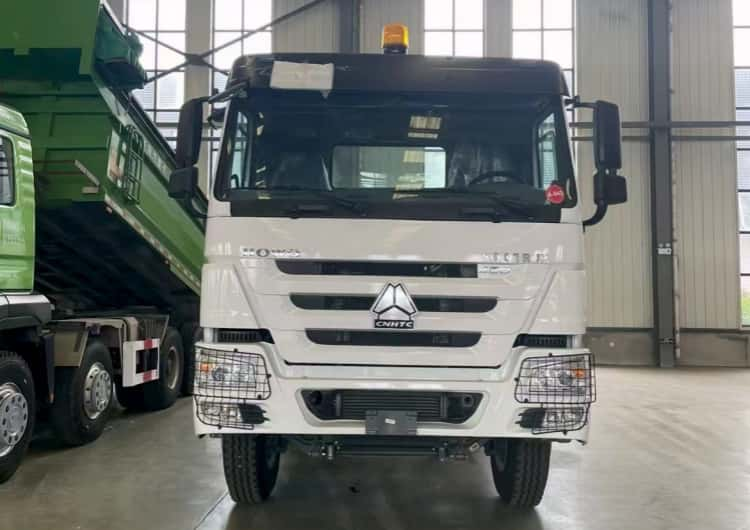
The finished reman truck or assembly is sent back to a fleet for active work. During its time in service, maintenance, load data and inspection records continue to feed into the traceability profile.
This operational data creates feedback for the reman team: which core types last longer, which failure modes appear, and how operating conditions impact remaining fatigue life. The reman loop becomes self-improving, not just a static cycle.
End-of-cycle decision and loop continuation or exit
When the asset reaches the end of its new service period, it is recalled again for reassessment. If it still holds sufficient fatigue margin, it can enter another reman cycle.
If it has reached the end of its reusable potential, it leaves the reman loop and moves to recycling. Not every truck can loop infinitely. Material fatigue accumulates over cycles. Closed reman loop respects this physical limit instead of endlessly reworking unsafe assets.
How closed-loop circulation creates value beyond waste reduction?
For fleet operators, the benefits extend well beyond ESG reporting:
- Stable pricing: planned core returns reduce reliance on volatile used-core markets
- Predictable residual value: the asset has a known route back into the reman system
- Consistent quality: cores come from a controlled, traceable pool rather than mixed second-hand sources
- Lower total embodied carbon: reman preserves the energy already invested in forging, casting and machining frames, axles and engine blocks
- Simplified asset management: take-back terms can be built directly into procurement contracts
Common misconceptions about closed-loop reman
- “Closed loop means reusing the same truck forever.” False. Material fatigue accumulates. Each core has a finite number of reman cycles. When limits are hit, it exits to recycling.
- “Closed loop is the same as normal second-hand truck trading.” False. Casual resale is open-loop. There is no standardised return, qualification or controlled reset process.
- “Recycling is better than reman closed loops.” No. Recycling requires massive energy to re-melt and remake components. Reman preserves the existing engineered value for as long as safely possible, with recycling as the final fallback.
Closing
Closed reman loop circulation for heavy truck remanufacturing is a managed, repeating cycle of core recovery, qualification, lifecycle reset and redeployment. It sits at the centre of the REMAN ROAD circular model, preserving the embedded value of chassis, axles and major assemblies before they become scrap.
It turns one-time vehicle ownership into a long-term asset cycle, delivering more predictable quality, lower TCO and measurable environmental gains for fleets that adopt formal take-back and reman standards.