What Makes a Heavy Truck Eligible for Standard Remanufacturing
Introduction
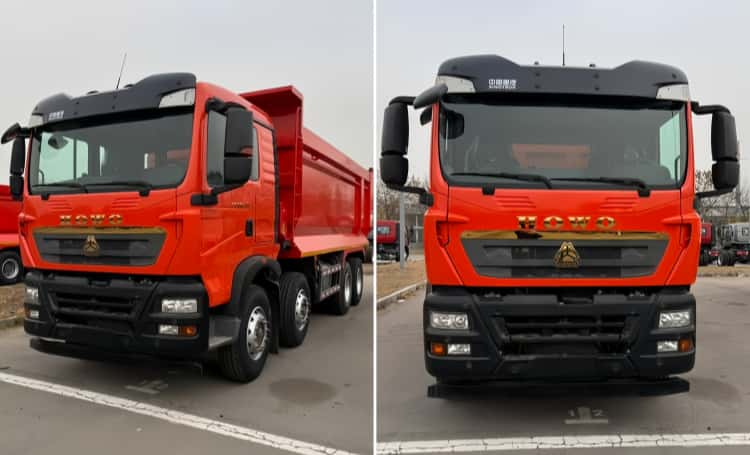
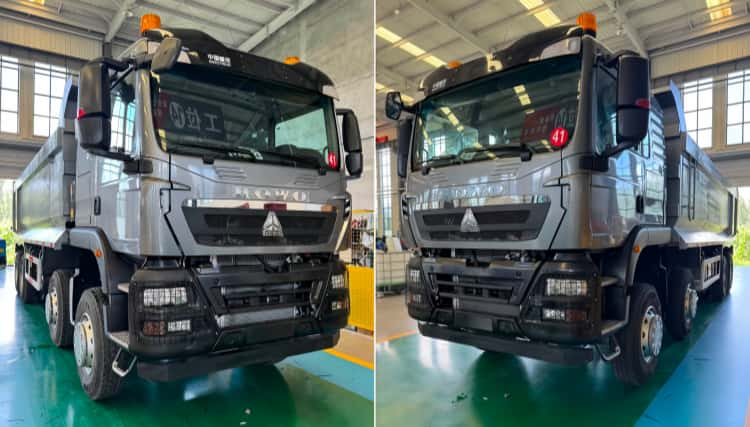
Not every retired heavy truck can go through standard remanufacturing. Standard remanufacturing is designed to reset the lifecycle of the truck as a complete integrated asset, so the baseline condition of the entire vehicle must satisfy fixed, vehicle-centred rules before any disassembly or restoration work begins. REMAN ROAD sets these eligibility standards around the structural integrity and overall health of the truck, rather than judging it by the condition of individual assemblies.
Sound primary vehicle structure is the non-negotiable foundation
The frame and cab form the safety backbone of the whole truck, and their condition is assessed first.
- The frame must pass dimensional verification, corrosion thickness measurement and non-destructive testing across welds, load-bearing sections and mounting points. Permanent bending, extensive corrosion beyond allowable limits or irreparable fatigue cracks disqualify the truck immediately.
- For the cab, the rollover protection structure, pillar sections and mounting brackets are fully inspected. Cosmetic scratches, dents and surface paint damage do not rule out reman, but compromised structural zones cannot be restored safely.
If the core structure fails assessment, the truck will be directed for material recycling instead.
Clean operational history without catastrophic damage
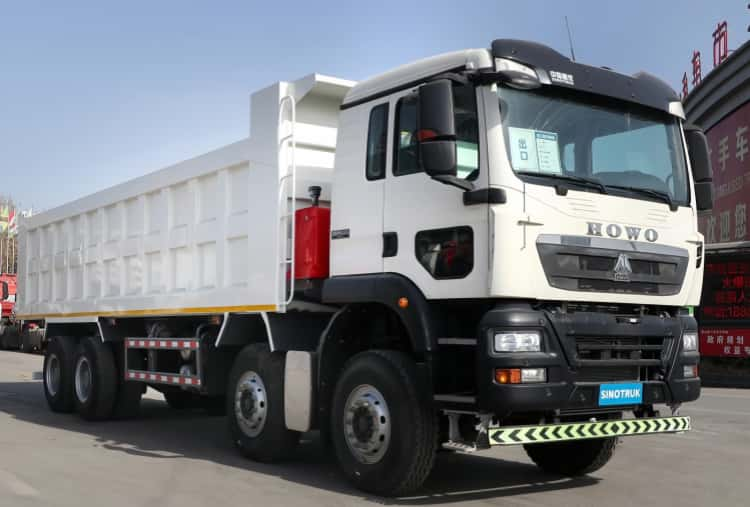
The full service history of the truck is reviewed as part of vehicle eligibility screening. Records are checked for severe collision damage, fire exposure, long-term water immersion and sustained extreme overload incidents.
These events can create hidden structural stress and latent faults that cannot be fully eliminated through reman workflows, even if visible damage is patched up. Previous major structural modifications or unapproved frame repairs are also carefully reviewed. Only trucks with verifiable history that shows no catastrophic structural damage move forward into reman processing.
Core functional systems have recoverable baseline condition
Eligibility checks consider the combined state of all interconnected vehicle systems. Powertrain, suspension, steering, braking, exhaust after-treatment and electrical systems are reviewed as a whole. While many worn components will be replaced or restored during reman, the vehicle cannot suffer from irreversible system-level damage that makes balanced whole-vehicle performance impossible to restore.
This does not require every subsystem to work perfectly at intake. Standard remanufacturing is built to renew worn systems. What it requires is that all major systems can be restored and calibrated to work in harmony as one complete truck after processing.
Original vehicle configuration can be preserved and matched
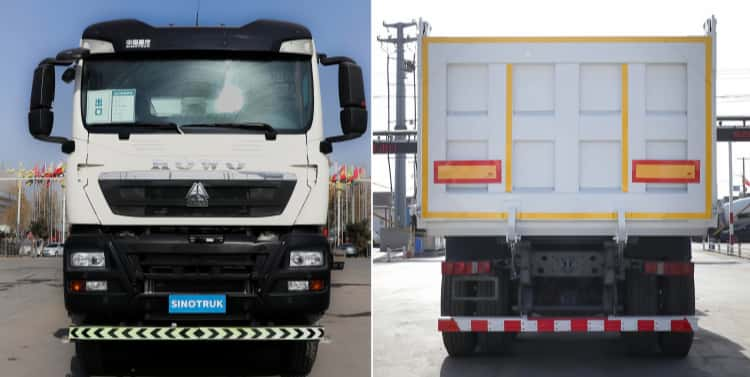
Standard remanufacturing maintains the truck’s original design architecture and matching logic. During intake assessment, the vehicle’s original specification, chassis layout and system matching relationship are confirmed.
If the truck has undergone messy, inconsistent cross-spec modifications that break the factory system matching logic and cannot be reversed, it is not suitable for Standard remanufacturing. The goal is to reassemble and calibrate the truck back into a coherent, predictable whole vehicle, rather than assembling a mismatched combination of parts from different vehicle platforms.
Traceable vehicle identity and documentation
A qualified reman truck candidate must have verifiable vehicle identity. Basic vehicle records, chassis identification and historical service information are collected at intake. This identity will carry through the entire reman workflow and bind all inspection, restoration and test records into one complete traceability file for the finished reman truck. Without reliable vehicle identity, the full lifecycle record cannot be established, and the finished asset cannot meet REMAN ROAD’s traceability requirements.
REMAN ROAD’s view on eligibility
REMAN ROAD frames eligibility around the whole vehicle. Eligibility is not decided by whether the engine or axle still runs well. It is decided by whether the complete truck has a restorable safety structure, clean damage history and recoverable system foundation to support a full lifecycle reset. These screening rules prevent unsafe or unsuitable vehicles from entering the reman supply chain and protect the reliability of reman truck delivered to fleets.
Closing Summary
A heavy truck qualifies for standard remanufacturing when its core frame and cab structure are intact and repairable, it has no history of catastrophic damage, its major systems can be restored and rebalanced, its original configuration can be preserved, and its identity can be fully traced. These vehicle-level checks act as the first gate of standard remanufacturing. Only trucks that pass this assessment can move into the full reman workflow and receive a certified lifecycle reset.