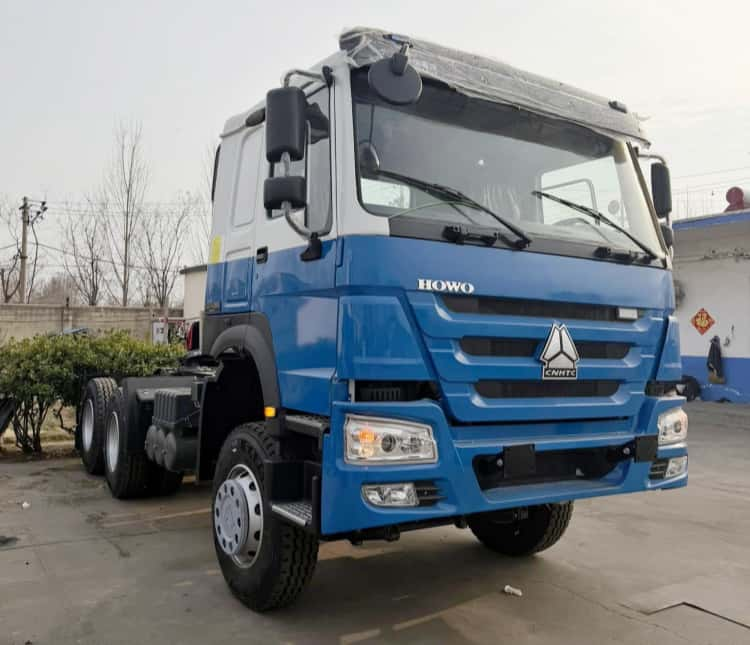
Basic Quality Gates Every Genuine Reman Truck Must Pass
Intro
Quality gates are staged, pass-or-fail checkpoints built into the reman works. They stop non-compliant units from moving to the next production step, rather than relying on a single final inspection at the very end. For many low-grade refurb operations, checks are spotty and cosmetic.
For REMAN ROAD genuine reman truck, every heavy truck must clear a defined series of quality gates before it earns certification and warranty eligibility. Each gate targets a different risk category: structural integrity, component fitness, assembly quality, system performance and traceability. If any gate is failed, the unit is quarantined, reworked, downgraded to partial core harvest, or marked for scrap.
Gate 1: Intake Core Validation & History Screening
This is the first gate, before any disassembly begins. Teams review the truck’s service records, accident logs, mileage and prior modifications. NDT spot checks are performed on the frame and key castings to rule out severe fire damage, rollover trauma or advanced structural corrosion. Trucks with unrecorded heavy impact, heat-affected steel or frame distortion beyond OEM tolerance limits are rejected immediately. This reman works gate filters out assets that cannot safely reach new-equivalent performance, no matter how much repair work is applied. It prevents wasted labour on cores that carry permanent, hidden safety flaws.
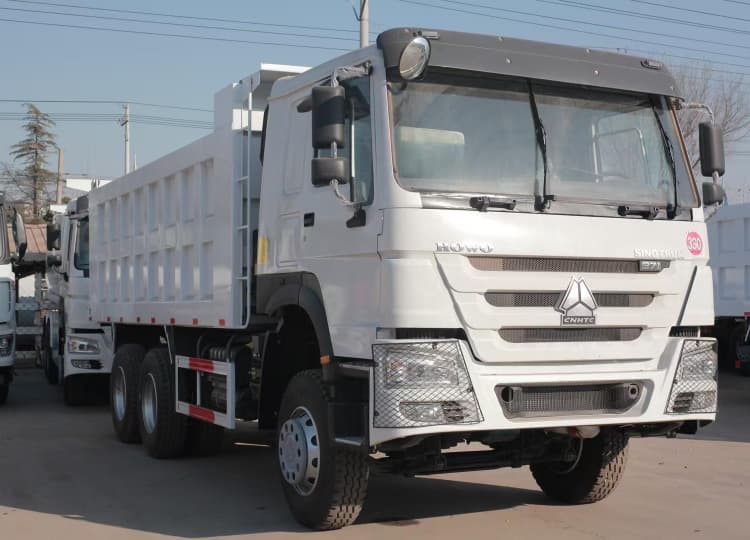
Gate 2: Post-Teardown Component Grading
Once fully disassembled, every part is cleaned, identified and graded against published REMAN ROAD and OEM dimensional standards. Parts fall into three buckets: reusable as-is, repairable via machining or surface restoration, and mandatory scrap. This gate rejects components with fatigue cracks, thread stripping, excessive wear or material degradation. It is where many cheap refurb shortcuts appear: worn bearings, pitted valve seats and fatigued suspension pins that would normally be scrapped are often reused without formal grading. Genuine reman truck cannot proceed until all load-bearing and safety-critical parts are verified and tagged.
Gate 3: Machining and Repair Verification
For parts approved for restoration, all machining, welding and surface treatment work is inspected. Technicians verify dimensions, surface finish, hardness and alignment after repair. Weld repairs on frame sections, crankshaft grinding, line boring and bushing installation all require independent sign-off. The goal is to confirm that repairs return the part to original engineering intent, not just make it fit loosely. Any repair that falls outside allowable tolerance triggers rework or component rejection.
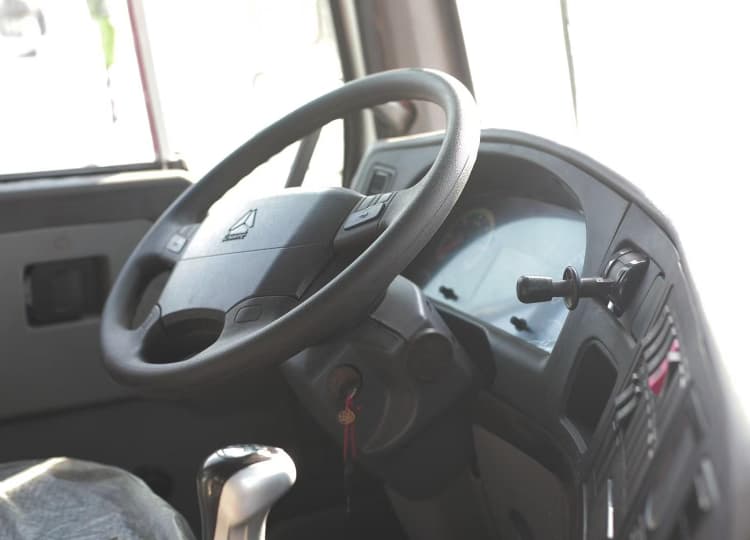
Gate 4: Subassembly Bench Testing
Before the truck goes back together, rebuilt individual assemblies get their own bench validation. Engines, axles, transmissions, brake modulators and hydraulic pumps run through load, pressure and leak tests. Bench testing isolates faults early. A transmission that slips under load or an engine with unstable oil pressure is fixed at subassembly level, rather than being buried inside a finished truck where faults are far harder and costlier to diagnose. Only assemblies that meet performance thresholds move to reassembly.
Gate 5: Full Vehicle System Integration Test
After reassembly, the truck is tested as one connected system, not just a collection of tested parts. Braking balance, steering response, hydraulic flow, cooling performance, electrical communication and exhaust emissions are validated together. This gate catches mismatches that standalone bench tests miss. A perfectly rebuilt engine paired with a degraded cooling circuit or mis-calibrated brake system creates operational risk. System-level testing ensures all components work in harmony under design load conditions.
Gate 6: Final Visual, Documentation and Traceability Audit
The final quality gate is not just a walkaround inspection. Auditors cross-reference serial numbers, test reports, grading sheets, repair logs and part replacement records into the permanent asset traceability file. Certification paperwork, warranty terms and compliance declarations are only issued once the full record is complete. If any test record is missing, unreadable or inconsistent, the truck is held back from delivery. This reman works gate is what gives fleet buyers auditable proof of what work was performed and which standards were followed.
Closing
These sequential quality gates form the backbone of repeatable, trustworthy remanufacturing. They shift quality control from an afterthought into a continuous, stop-or-proceed system. Without every gate being enforced, a truck may look finished but still carry residual fatigue, hidden defects or undocumented shortcuts. For fleet buyers, proof that a genuine reman truck passed all REMAN ROAD quality gates is the clearest signal that it is not a cosmetic refresh — it is a lifecycle-reset asset backed by verifiable engineering checks.