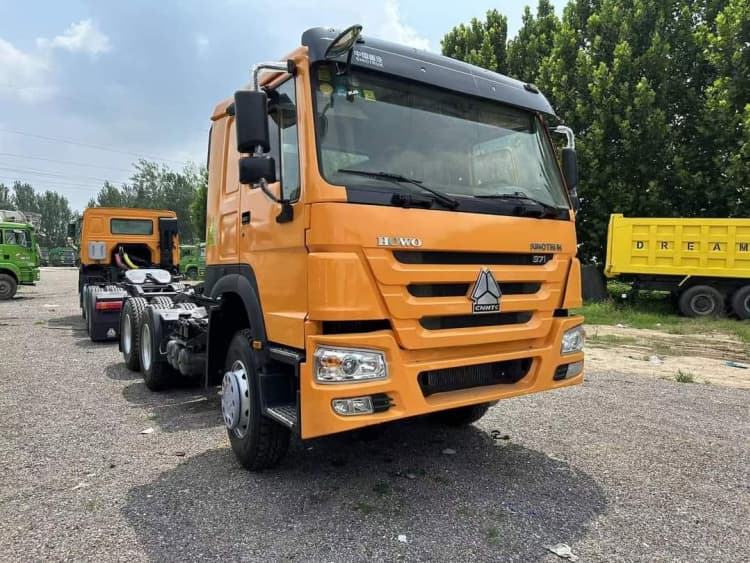
Genuine Remanufacturing: Performance Reset for Complete Trucks
Introduction
Many buyers evaluate reman work by checking whether individual assemblies run well: an engine that starts, a gearbox that shifts, brakes that hold. Genuine remanufacturing under REMAN ROAD operates on a different principle. It targets the complete truck as an interconnected system, delivering a full performance reset rather than patching isolated faults.
This reset means the entire vehicle’s functional behaviour, load capacity and reliability are brought back to a defined, repeatable baseline. It differentiates certified reman from piecemeal repairs, overhauls and cosmetic rebuilds.
What “complete truck performance reset” actually means?
A performance reset is not about making the truck look new. It means clearing accumulated degradation across every interacting system, so the vehicle performs consistently within published engineering tolerances.
Over its first life, a truck develops cumulative drift: worn clearances, material fatigue, degraded sealing surfaces, misaligned mounting points and calibrated wear between mating components. These issues may not trigger immediate failure, but they reduce overall efficiency, raise fuel consumption and shorten remaining service life.
Genuine remanufacturing reverses this system-wide drift. It restores the vehicle to new-equivalent performance, where its power delivery, braking response, handling and load stability match the standard’s reference benchmark.
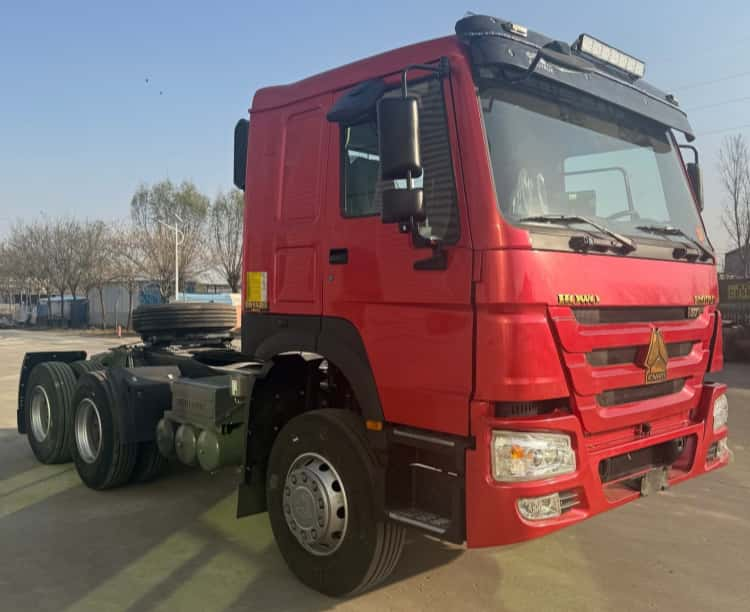
How the reset works across interconnected systems?
Full teardown breaks down system-level wear patterns
Partial service leaves linked wear hidden. For example, worn kingpins can accelerate steering box stress; sagged suspension creates uneven axle loading and premature tyre wear. If only one component is swapped, the old wear pattern remains and quickly degrades the new part.
Genuine remanufacturing disassembles the whole chassis. Every assembly is separated, cleaned and graded individually. This breaks cascading wear relationships that build up over hundreds of thousands of kilometres.
Component grading: reuse, rework or replace against performance limits
Each critical part is measured and tested against fixed thresholds, not only inspected for breakage. Sound components with remaining fatigue margin may be precision reworked within approved limits. Parts that exceed wear, dimensional or corrosion limits are replaced. This genuine remanufacturing process ensures no weak link stays in the system to drag down overall vehicle performance.
Reassembly restores original alignment and system geometry
Resetting performance depends heavily on correct geometry. Frame alignment, axle tracking, suspension mounting, steering geometry and brake balance are calibrated back to specification. In informal rebuilds, new parts are often fitted into a misaligned old chassis.
The result is a truck that runs, but pulls to one side, wears tyres fast, generates vibration and experiences uneven brake force. Genuine reman locks in correct geometry before system testing begins.
Integrated functional validation, beyond single-assembly bench tests
Individual bench tests for engines or axles are necessary but insufficient. The final proof comes when all systems operate together. The complete truck undergoes coordinated performance checks: power curve verification, brake balance and stopping distance testing, steering free-play validation, hydraulic leak testing, load response and emissions verification. The goal is to confirm that the combined performance meets the baseline, not just that separate parts function.
Calibration and parameter reset
Electronic control units, sensor calibrations and operating parameters are reset and validated. Old adaptive learning values built up from worn components can skew fuel delivery, shift timing and protection thresholds. Genuine remanufacturing updates these parameters to match the restored hardware, so the truck operates as intended for its reset service life.
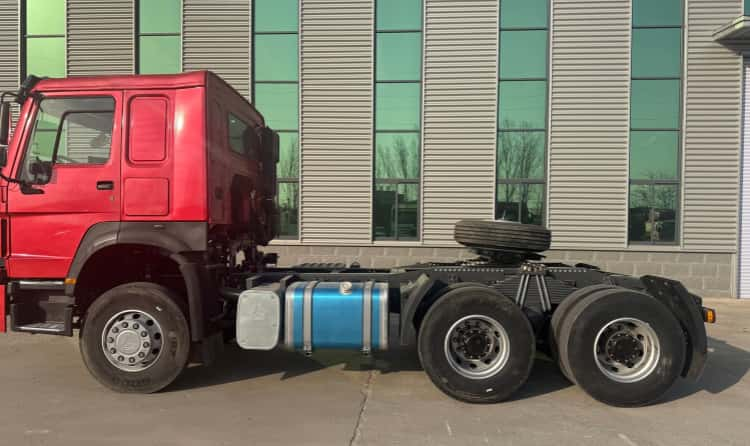
How this differs from overhaul or component replacement?
An overhaul usually responds to known failures. It fixes what is broken and leaves the rest of the system’s accumulated wear untouched. The truck’s performance baseline remains degraded. Genuine remanufacturing assumes all components carry potential cumulative wear. It resets the entire system by design. The warranty and service-life expectation reflect this system-level reset, rather than covering only the few replaced items.
Traceability documents the full reset profile
Every measurement, rework action, replacement and system test result attaches to the vehicle’s traceability record. For fleet managers, this record proves the reset was completed to standard. It supports TCO forecasting, ESG reporting and future reassessment when the truck completes its next service cycle. Without this evidence, claims of “performance reset” are only marketing statements.
Common buyer misunderstanding: “It should perform exactly like a brand-new OEM truck”
New-equivalent performance is a carefully defined term. It means equivalent functional capability, safety, reliability and load performance, not identical factory build configuration. As long as critical performance benchmarks are met, approved equivalent components may be used. Non-critical peripheral differences do not reduce the validity of the performance reset. The standard prioritises real-world operational outcomes over part-for-part duplication.
Closing
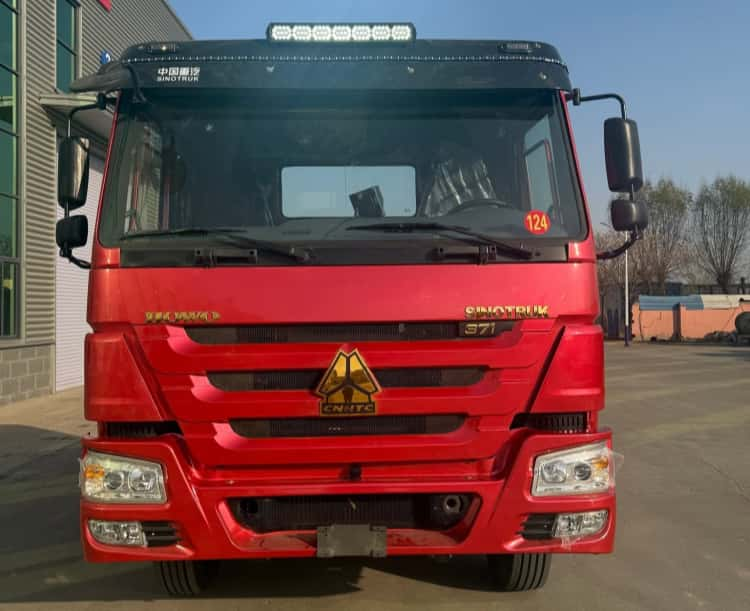
Genuine remanufacturing for complete trucks is a system-wide performance reset. It eliminates cascading wear, restores chassis geometry, balances interacting assemblies and validates integrated performance under REMAN ROAD rules.
It is this holistic reset that unlocks the core value proposition of Genuine remanufacturing: a heavy truck with predictable, reliable performance and a defined new service life, rather than an old vehicle with a handful of fresh replacement parts.