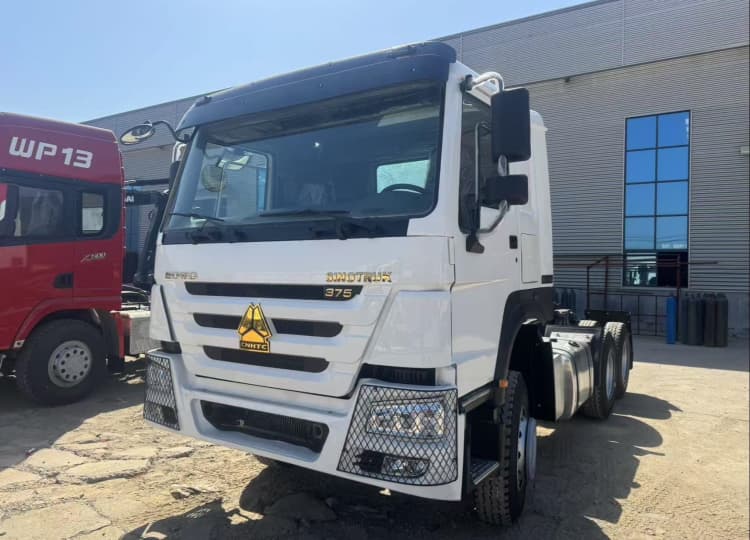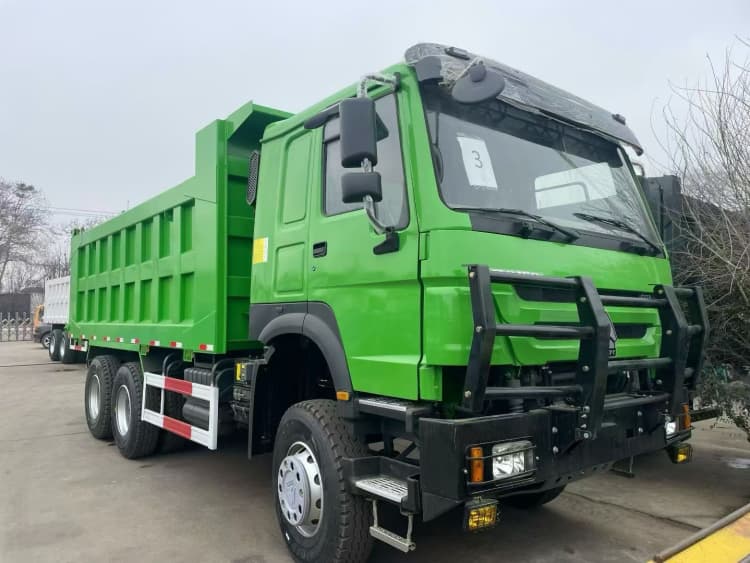
The Basic Workflow of Certified Remanufacturing for Heavy Duty Trucks
Introduction
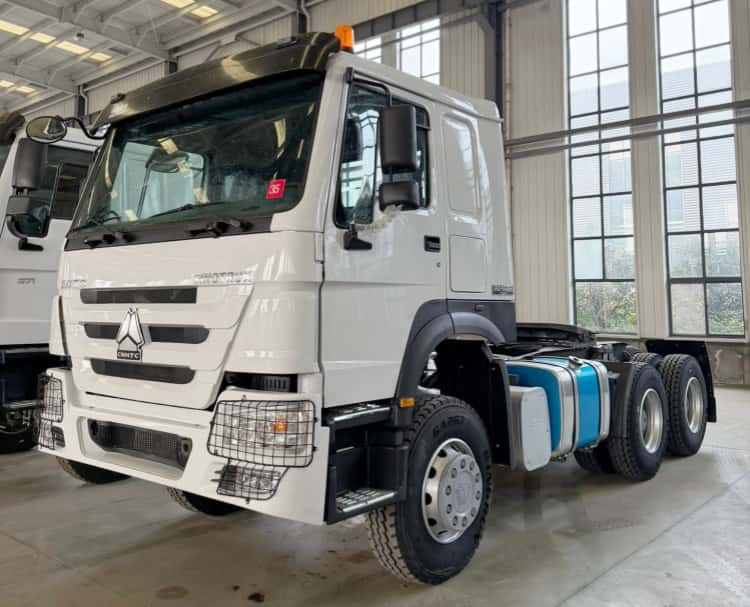
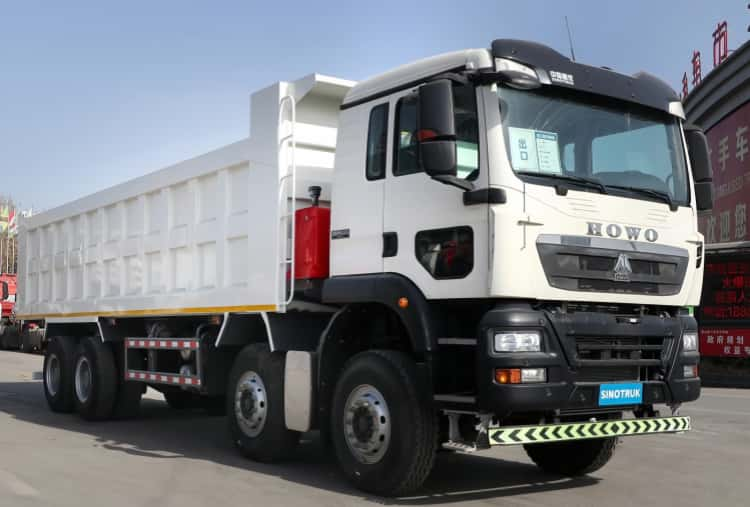
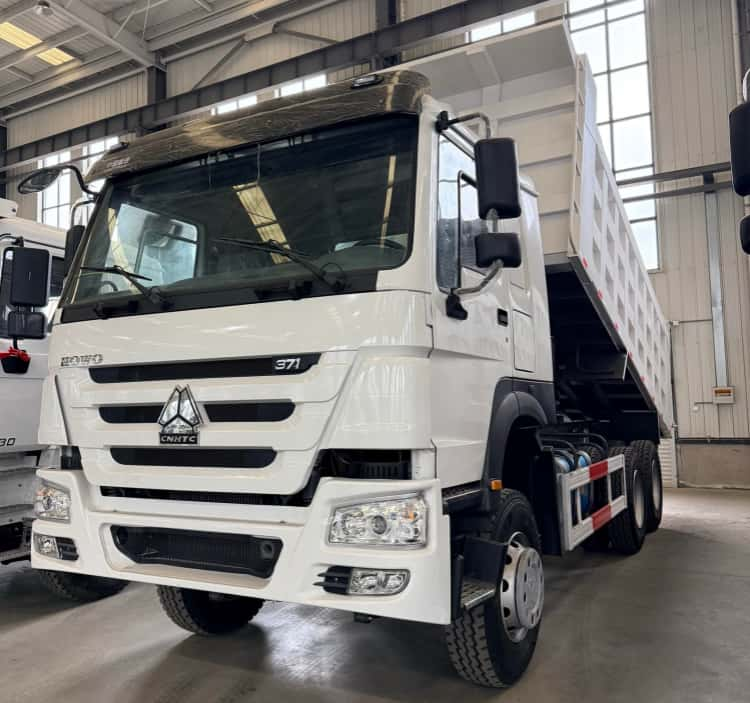
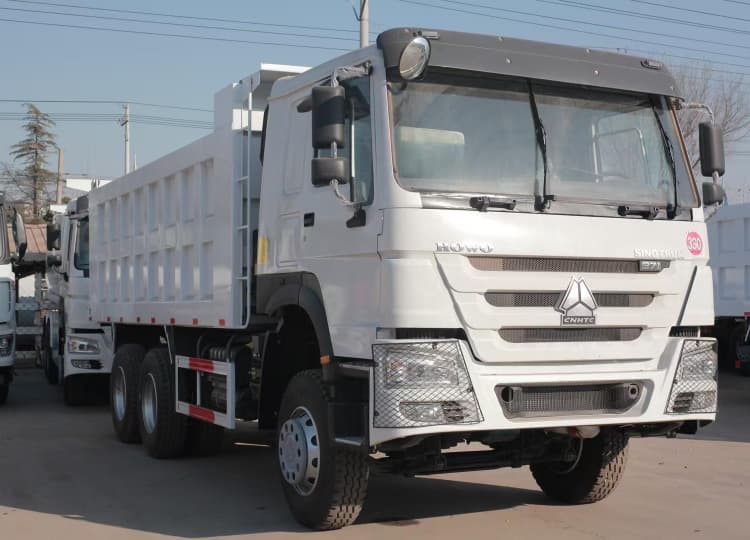
Certified remanufacturing is a fixed, sequential workflow built entirely around the heavy-duty truck as one integrated asset. No step exists in isolation for separate components. Each stage is arranged to confirm, renew and validate the overall condition of the whole vehicle, ultimately delivering a reliable lifecycle reset. This standard workflow is adopted by REMAN ROAD to create consistent, auditable reman outcomes for global fleets.
Vehicle intake and whole-vehicle eligibility assessment
The certified remanufacturing workflow starts before any disassembly.
- The complete truck is taken in and assigned a unique traceability ID that follows it through every subsequent stage.
- The team reviews the truck’s operational history to rule out fire, severe immersion, major collision and sustained overload damage.
- Frame and cab are inspected with dimensional checks, corrosion measurement and non-destructive testing on all load-bearing structures.
If the core structure fails this assessment, the truck is diverted for regulated recycling and will not enter reman processing. Only vehicles that pass this vehicle-level screening move forward.
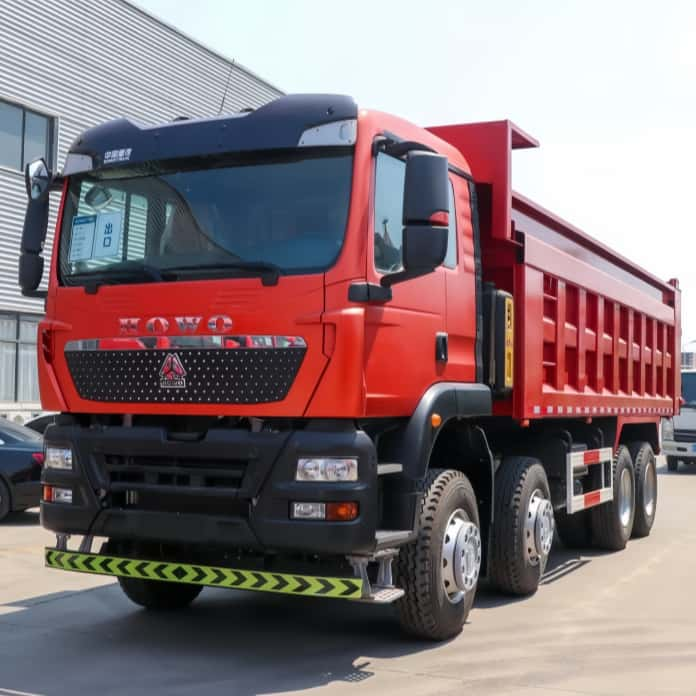
Systematic full-system disassembly and deep cleaning
Qualified trucks are disassembled by major vehicle systems rather than by individual parts.
- Cab, frame, powertrain, suspension, steering, braking, fuel, after-treatment and electrical harnesses are separated as coordinated groups.
- Every removed component goes through thorough deep cleaning to remove carbon deposits, sludge, road grime, aged sealants and surface rust.
- Cleaning reveals hidden wear, pitting and microcracks that cannot be seen on an assembled truck.
All parts are tagged and grouped according to the original vehicle configuration to preserve factory system matching for later reassembly.
Unified component grading and classification
All cleaned parts are graded against the same OEM-aligned criteria from a whole-vehicle perspective. Parts fall into three clear categories: reusable parts within tolerance and free of fatigue damage; restorable parts eligible for precision machining, coating or straightening; and mandatory wear parts that must be replaced unconditionally regardless of visual condition.
No component is approved for reuse unless it can reliably work in harmony with other systems on this specific truck. Grading records are linked to the vehicle traceability file.
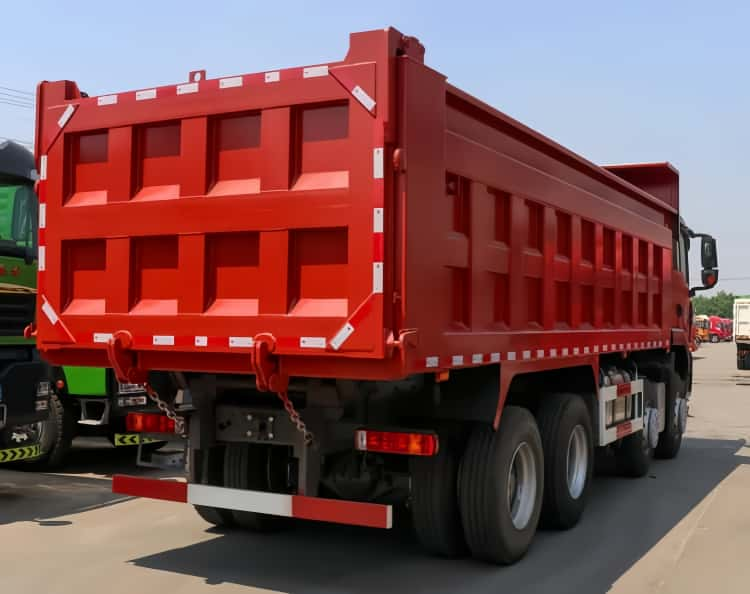
Controlled restoration or replacement
Restoration work is only performed on pre-approved, grade-eligible components. All machining, thermal spraying, surface treatment and frame correction strictly follow original design dimensions and safety limits. Every restored part passes a secondary verification check before it is cleared for reassembly. A
ny part that fails re-inspection is scrapped, not reworked repeatedly to meet a pass standard. Mandatory wear parts, including seals, bearings, rubber bushes, hoses and gaskets, are replaced with compliant new stock. The goal is to bring the full set of vehicle components back to balanced design condition.
Sequenced reassembly and cross-system calibration
Reassembly follows the original factory build sequence on the frame. Technicians observe defined torque values, tightening orders, clearances and preload settings for every critical joint. Once mechanical assembly is complete, the integrated vehicle undergoes cross-system calibration.
Powertrain, transmission, ABS, ESC, after-treatment units, sensors and CAN bus networks are tuned to communicate and operate together as a single system. Individual assemblies may perform well on their own, but calibration ensures they respond correctly as one complete heavy-duty truck under working conditions. Independent inspectors sign off key assembly checkpoints.
Multi-stage whole-vehicle validation testing
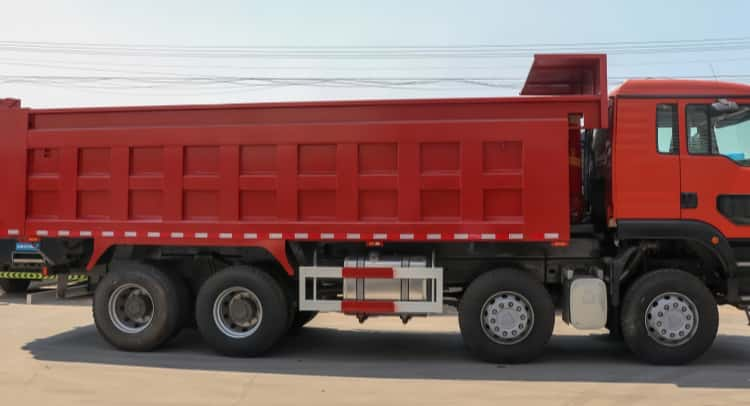
Bench tests for separate assemblies are not enough. Acceptance depends on testing the fully built truck as an integrated asset. Static workshop checks first verify air tightness, fluid leakage, lighting, instrument feedback, steering free play and static brake performance.
Next, dynamometer testing confirms powertrain output curve and emission compliance. Finally, loaded road testing under rated working weight evaluates acceleration, braking stability, temperature balance, vibration, climbing performance and sealing under real operating loads. All test data is numerically recorded and attached to the vehicle’s traceability record.
Final documentation, marking and handover
After passing all tests, the reman truck receives permanent identification marking to show it meets REMAN ROAD certified remanufacturing standards. The full traceability package is compiled: intake history, structural inspection reports, grading sheets, replacement logs, restoration records, assembly sign-offs and complete vehicle test results.
A formal whole-vehicle warranty is issued. The handover package gives fleet operators and auditors full visibility into every major decision made during the certified remanufacturing workflow.
Post-delivery closed-loop tracking
The certified remanufacturing workflow does not end once the truck leaves the workshop. Its performance and warranty feedback are tracked while it operates in the fleet.
When this new lifecycle reaches its end, the truck will be reassessed. If eligible, it may enter another round of certified remanufacturing workflow; if not, it will flow into formal material recycling. This closes the circular asset loop.
REMAN ROAD’s role in this certified remanufacturing workflow
REMAN ROAD standardises this certified remanufacturing workflow. It defines which gates are mandatory and what evidence is required at each stage. This means different suppliers following the framework will deliver reman trucks built on the same whole-vehicle reset logic, removing inconsistent local practices that weaken quality.
Closing Summary
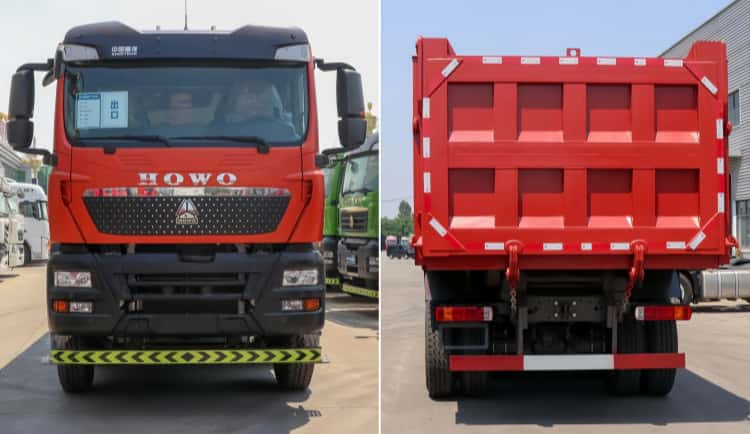
Certified remanufacturing for heavy-duty trucks follows a complete, vehicle-centred workflow: intake eligibility screening, full-system disassembly and cleaning, component grading, controlled restoration or replacement, sequenced reassembly and cross-system calibration, multi-stage whole-vehicle validation, formal documentation and marking, plus closed-loop post-service tracking. Every certified remanufacturing workflow serves one core objective: reset the entire heavy-duty truck into a predictable, safe new service lifecycle as a balanced integrated asset.