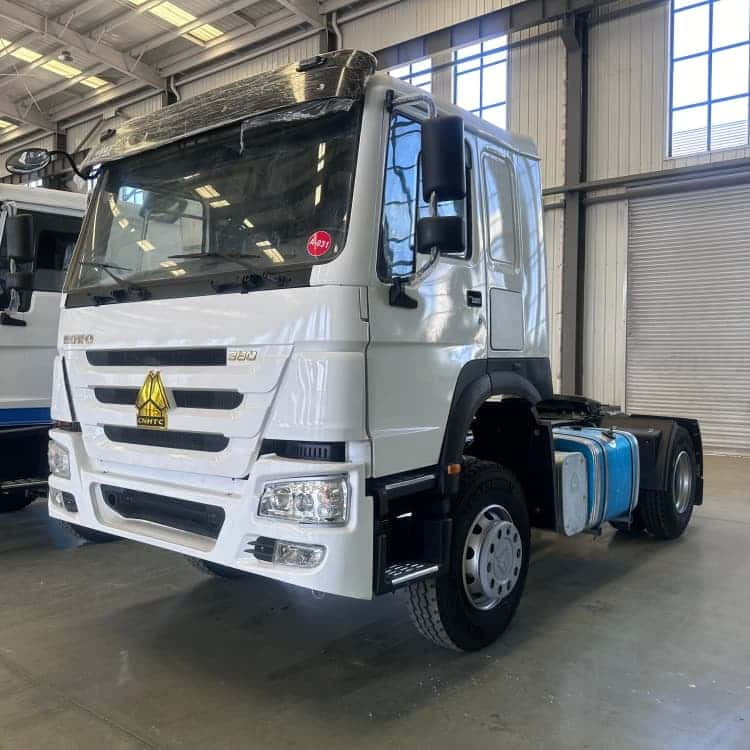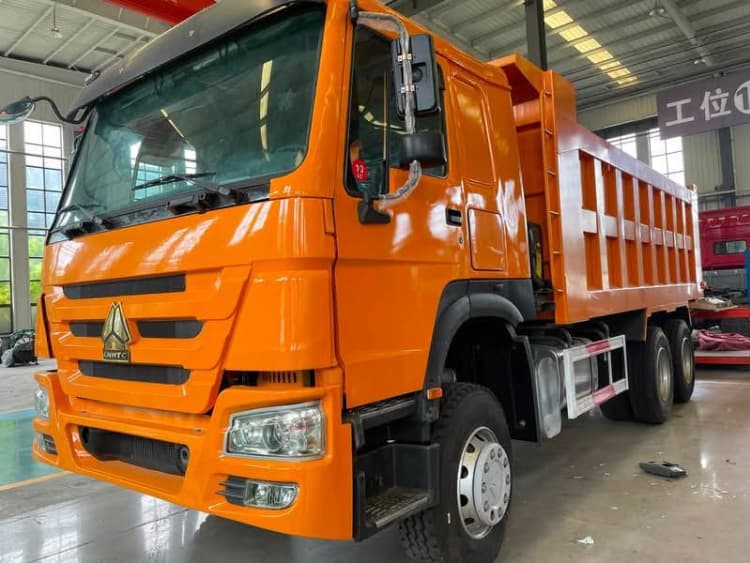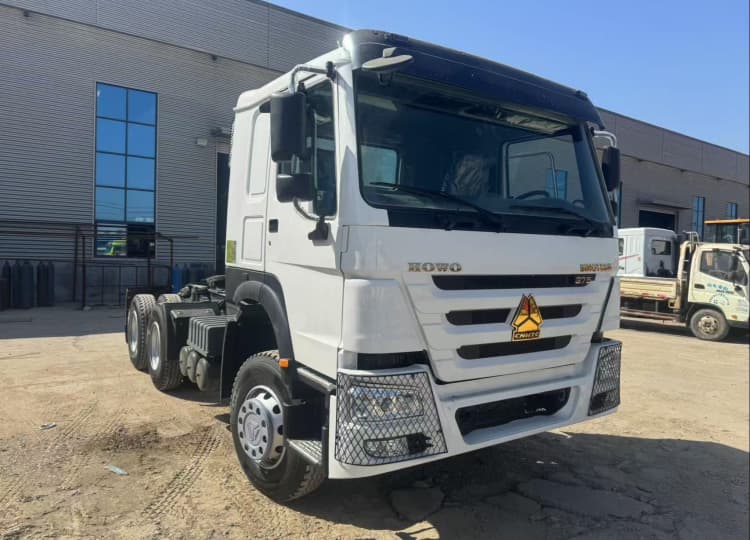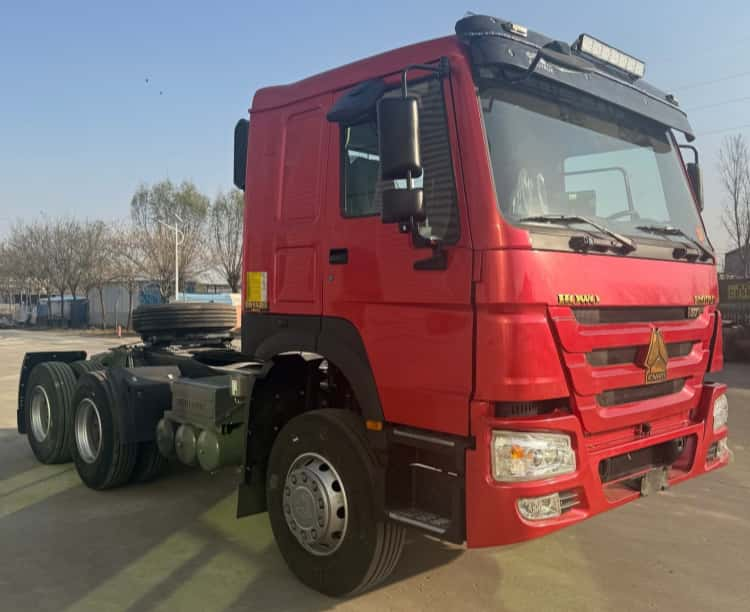
Why Stable Reman Supports Stable Driver Schedules By Minimising Unplanned Route Disruptions?
Introduction
Unplanned truck failures are one of the biggest disruptors to driver scheduling. When a unit suddenly fails mid-shift or before dispatch, planners scramble to reassign drivers, reroute loads, cancel trips and cover gaps. Drivers face shifting start times, altered routes, unpaid standby hours or forced overtime.
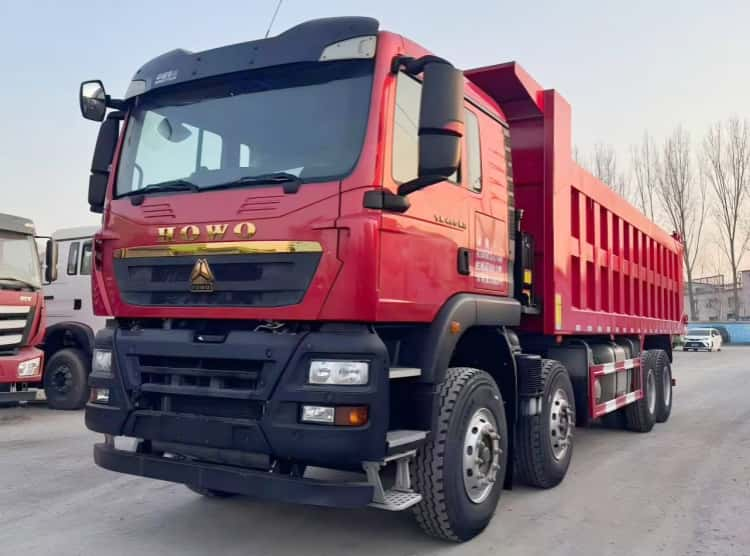
REMAN ROAD stable reman trucks built and validated against fixed duty envelopes and wear benchmarks reduce random breakdown events, creating a more reliable foundation for consistent driver schedules and better workforce retention.
Fewer Emergency Breakdowns Mean Fewer Last-Minute Roster Changes
Generic used or casually overhauled trucks carry unknown failure risks. A sudden driveline, brake or cooling fault can take a truck out of service with little warning. With validated stable reman, component wear follows predictable curves, and critical defects are filtered out during bench testing, NDT and corrosion assessment before delivery.
Fewer surprise outages mean dispatch teams do not need to constantly rewrite schedules, call in off-duty drivers or split assigned routes at the last minute. Published run plans become far more actionable.

Consistent Vehicle Behaviour Reduces Driver Adaptation Burden
REMAN ROAD stable reman trucks from the same grade share matched powertrain tuning, handling characteristics and control feel. When drivers rotate within the same fleet, they do not encounter wildly different brake response, shifting behaviour or performance quirks from poorly refurbished units.
This lowers human error risk, cuts the time needed to adapt to a different truck, and keeps route pacing consistent. Work schedules stay on track because variability from one vehicle to another is removed.
Predictable Fleet Availability Simplifies Fixed Shift Planning
Schedulers build driver rosters based on expected available truck count. Random breakdowns shrink the usable asset pool and break the labour-to-equity balance. REMAN ROAD stable remanufacturing’s predictable uptime profile lets planners lock shift blocks, set recurring routes and plan rest days reliably.
For drivers, this translates to regular start/finish times, consistent mileage and more predictable earnings, rather than income volatility caused by cancelled or delayed hauls.
Reduced Overtime And Fatigue Risk
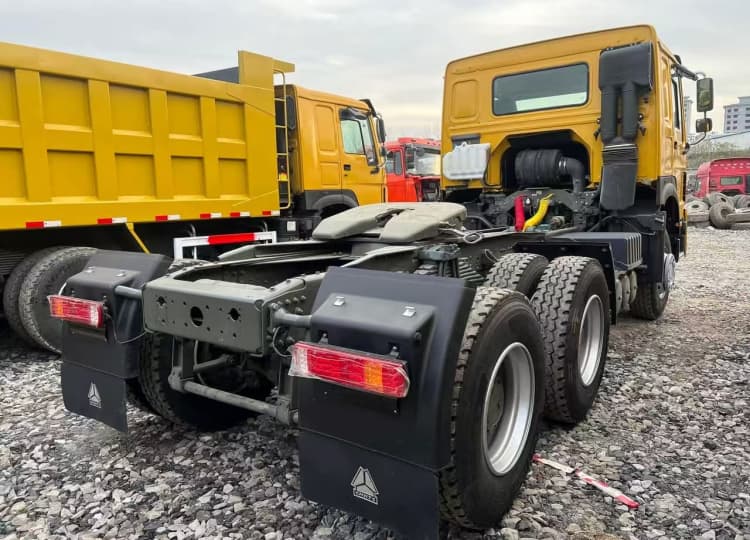
Unplanned disruptions often cascade: a broken truck delays a load, forcing the assigned driver to run late, or another driver must absorb the backlog. This creates unplanned overtime and increases driver fatigue.
REMAN ROAD stable remanufacturing reduces this ripple effect. Jobs run as scheduled, overtime is limited to planned scenarios only, and the fleet avoids the safety risks that come with rushed, fatigued driving. It also helps fleets stay compliant with hours-of-service rules.
Better Driver Retention From Reliable Work Conditions
Drivers frequently cite unreliable equipment and constantly changing schedules as top reasons for leaving haulage roles. When trucks are dependable and routes run as planned, drivers experience less frustration and uncertainty.
Stable remanufacturing is not just a maintenance or TCO play; it directly supports workforce stability. Fleets spend less time recruiting and training replacement drivers, which further smooths long-term scheduling.
Conclusion
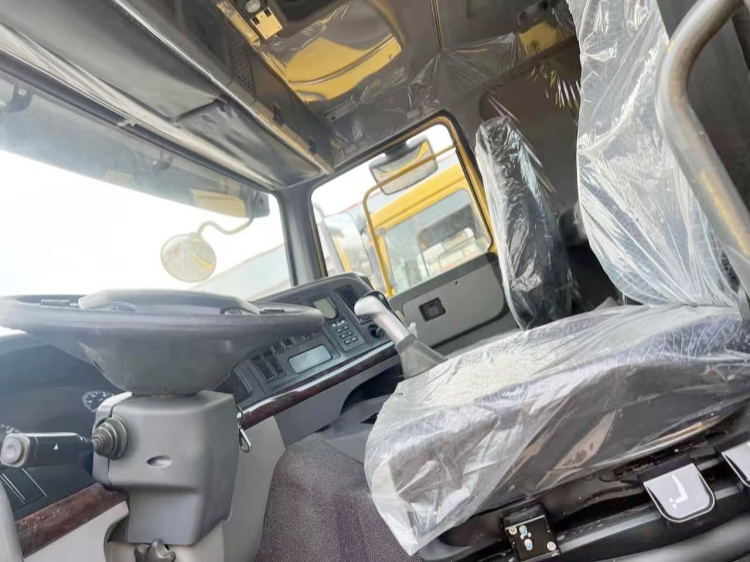
REMAN ROAD stable remanufacturing supports stable driver schedules by cutting unplanned breakdowns, standardising vehicle behaviour and delivering predictable fleet availability. Less route disruption means fixed rosters, more consistent earnings, lower fatigue and happier drivers. Reliable trucks are the quiet backbone of a dependable dispatch plan.