How Duty Aligned Reman Reduce Accelerated Driveline Wear In High-Vibration Work?
Introduction
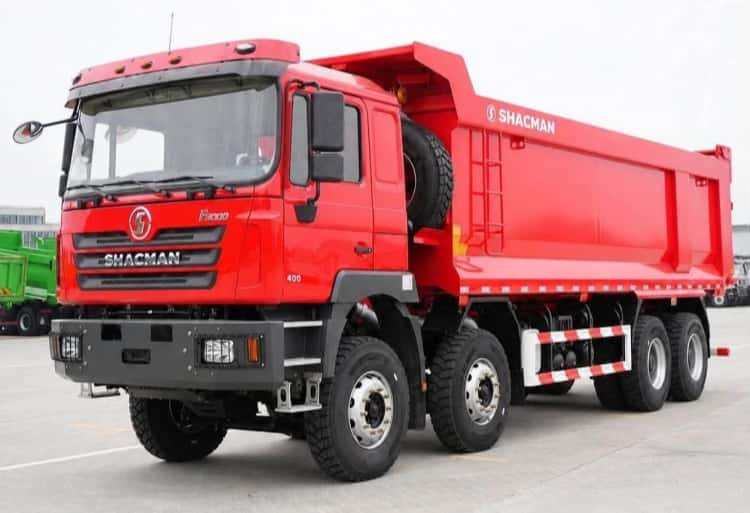
High-vibration work — gravel haul, quarry access, graded off-road yards and rough-site cycles — inflicts persistent cyclic shock on heavy truck drivelines. Generic rebuilt units often reuse original driveline parts without balancing, angle validation or duty-specific upgrades.
Even if the powertrain passes basic bench testing, mis-matched U-joints, unbalanced shafts and incorrect driveline angles trigger resonance. This creates accelerated wear: premature bearing failure, gear pitting, seal leaks and recurrent breakdowns. REMAN ROAD duty aligned remanufacturing builds the entire driveline package for the intended vibration profile, breaking this cycle.
Driveline Angle Validation Is Built Into The Reman Build Standard
In high-vibration duty, suspension deflection changes driveline geometry under load. Casual rebuilds rarely check operating angles, only static alignment. REMAN ROAD duty aligned reman verifies driveline working angles at curb weight and full payload, adjusting shims, mounting brackets and suspension stops to keep angles within the OEM approved range across the full suspension travel. This prevents cyclic binding that amplifies vibration and eats away at U-joints and output bearings.
Precision Balancing And Component Grading For Vibration Resistance
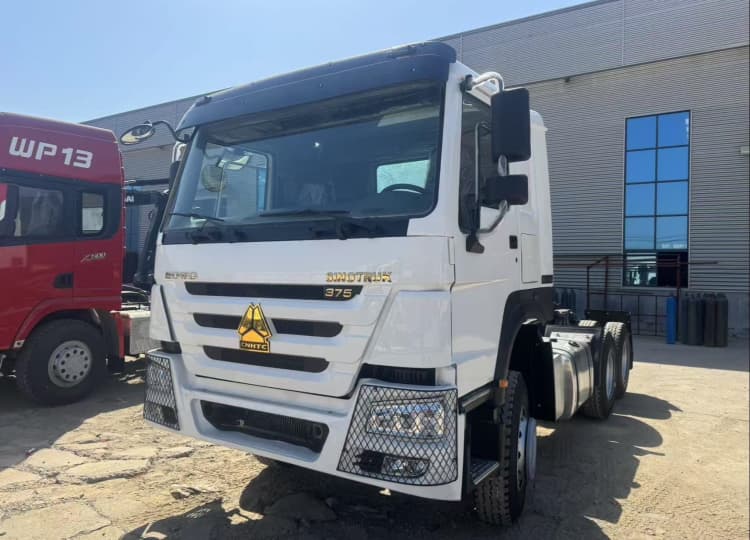
REMAN ROAD duty aligned remanufacturing includes mandatory dynamic balancing for propeller shafts, plus grading of U-joints, centre bearings and gear sets to match the vibration class. Worn, out-of-spec parts that would amplify oscillation are rejected, not reused.
Every assembled driveline is run under load on test benches to screen for resonant vibration signatures before release. This removes the root cause: driveline assemblies that are mechanically sound on a smooth highway but excite damaging vibration on rough ground.
Component Selection Matches Shock And Vibration Duty Envelope
For high-vibration fleets, the reman specification upgrades critical driveline components where appropriate: heavy-duty U-joints, reinforced centre bearing housings, improved dampers and fatigue-rated gear assemblies.
These are not blanket upgrades. They are applied only when the asset’s duty envelope calls for them. This avoids over-specification and unnecessary cost while eliminating the risk of fitting highway-grade driveline parts into a high-shock off-road application.
Chassis And Suspension Checks That Feed Driveline Health
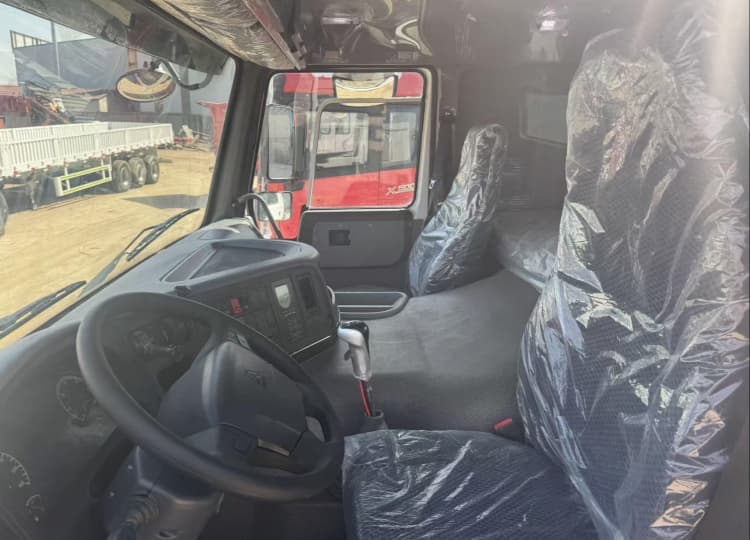
Vibration often originates upstream, in the chassis and suspension. Duty aligned remanufacturing includes corrosion assessment, bushing inspection, spring and shock absorber validation. Worn suspension components create uncontrolled wheel hop and frame vibration that transfers straight into the driveline.
By restoring suspension to benchmark condition at rebuild, the reman build process reduces the vibration input to the driveline system in the first place.
Predictable Wear And Lower Repeat Repairs
When driveline geometry, balance and component rating are aligned to duty, wear follows the modelled curve. Maintenance teams can schedule driveline inspections and lubrication intervals to match the vibration severity.
The fleet stops fighting recurring, hard-to-diagnose driveline failures that drain workshop hours and create unplanned downtime. This stability also improves unit-level profitability for haul jobs in high-vibration environments.
Conclusion
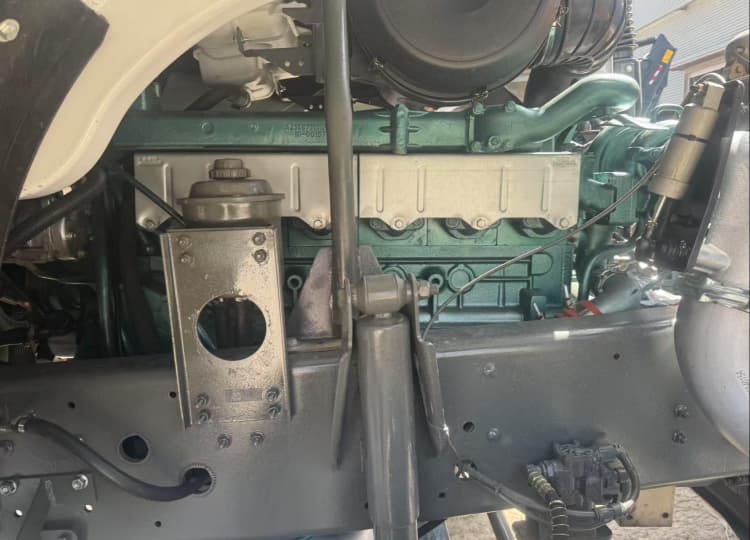
REMAN ROAD duty aligned reman trucks reduce accelerated driveline wear in high-vibration work by validating driveline angles, enforcing dynamic balancing, selecting vibration-rated components and restoring upstream suspension integrity.
Instead of treating driveline failures as a normal cost of rough-site operation, the reman build controls resonance and cyclic shock, extending service life and cutting unplanned driveline breakdowns.