How REMAN ROAD Reman Units Simplify Rolling Stock Valuation For Financing Partners?
Introduction
Financing partners struggle with valuation of conventional used or casually overhauled heavy trucks. Patchy service histories, undefined rebuild scope and inconsistent quality make residual value hard to quantify, raising lender risk, interest rates and due diligence delays.
REMAN ROAD reman units builds against unified reman benchmarks, with full lifecycle documentation and clear grade classification. This structured, repeatable asset profile removes valuation guesswork, giving banks and equipment financiers a stable foundation to assess collateral, set loan terms and approve fleet financing faster.
Unified Reman Benchmarks Create Uniform Collateral Assumptions
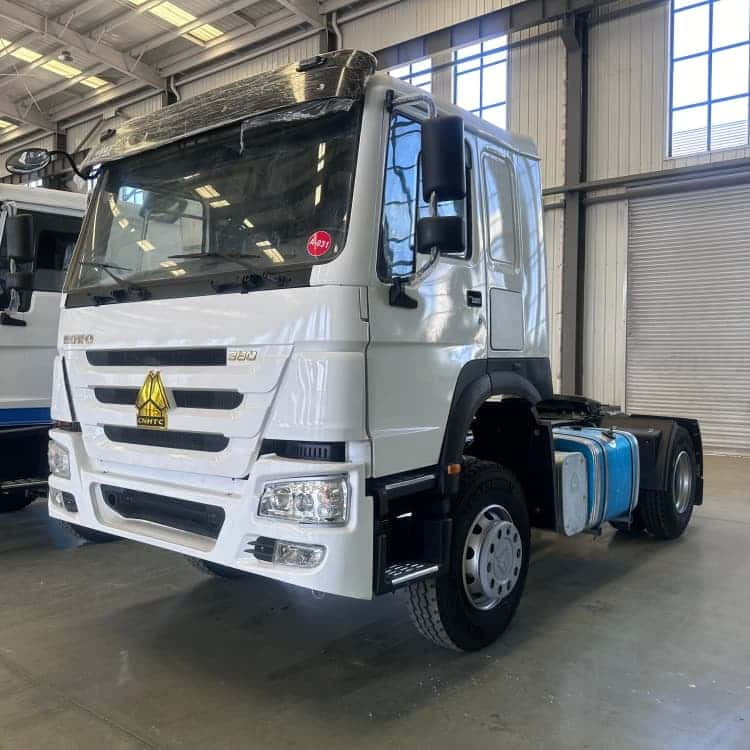
Unlike generic rebuilt trucks, each REMAN ROAD reman units follows fixed rebuild scope, NDT rules, corrosion assessment protocols and dynamometer test cycles. Financing teams do not need to treat every truck as a one-off appraisal case. Assets within the same grade share the same expected duty envelope, maintenance curve and projected service life.
Appraisers can apply consistent valuation models across the fleet portfolio, rather than adjusting assumptions for variable workmanship and unknown component condition. This uniformity reduces subjective discounting that commonly hits undocumented overhauled equipment.
End-to-End Traceability Files Support Independent Collateral Audits
Every REMAN ROAD reman units carries a digital traceability package: core inspection logs, corrosion mapping reports, component grade records, bench test results, rework disposition and warranty terms. Lenders can independently verify what was replaced, what was tested, and where the unit sits within the quality framework.
For financing partners, this audit trail solves the biggest pain point with second-hand heavy assets: inability to confirm rebuild quality. When collateral is verifiable, lenders assign more realistic residual values instead of applying heavy risk haircuts to offset unknown defects.
Clear Grade & Duty Tiering Aligns Valuation With Intended Use
REMAN ROAD reman units’s formal grade classification system directly informs valuation. Premium higher grade reman trucks built for mining haul hold different depreciation curves than medium or light-duty support units. Financiers can segment the portfolio: higher grade reman trucks carry higher baseline collateral value and longer usable life assumptions, while lower-grade units are priced accordingly.
This prevents the common mistake of averaging all reman trucks into a single blended value, which penalises higher grade reman trucks and overstates low spec reman trucks. Lenders also use duty envelopes to model wear and residual value decay based on the fleet’s actual operating profile.
Warranty Architecture Reduces Downside Collateral Risk
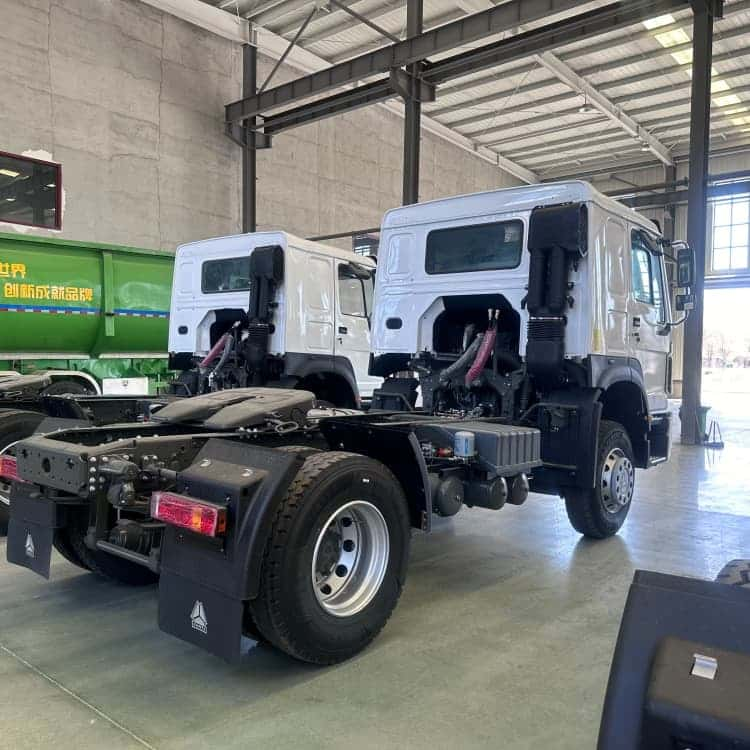
Documented REMAN ROAD reman warranty terms (clearly separating system coverage and component coverage) give financiers additional risk visibility. Active warranty lowers the chance of sudden catastrophic failure that would erase asset value mid-loan term.
Lenders can factor warranty coverage into their risk models: units with system-level warranty are viewed as more stable collateral, which may translate into better LTV ratios and more competitive financing terms. This is a key differentiator from used trucks with no structured warranty protection.
Simplified Portfolio Appraisal For Framework & Batch Fleet Financing
When fleets order REMAN ROAD reman units under multi-year framework agreements with batch call-offs, financiers can pre-approve valuation rules for the entire programme. Instead of conducting heavy individual appraisals for every new truck in each batch, the lender relies on the consistent REMAN ROAD reman quality standard.
This cuts administrative overhead for both financiers and fleet operators, speeds up drawdowns and supports rolling fleet renewal plans. For larger mining and construction fleets, this efficiency is a major cash-flow advantage.
Conclusion: Verified Reman Data Turns Ambiguous Assets Into Predictable Collateral
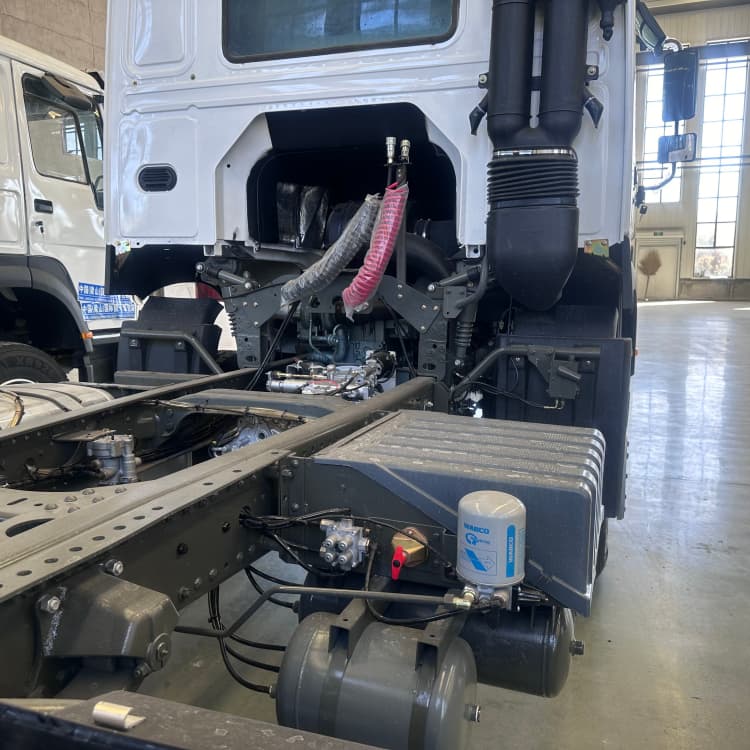
REMAN ROAD reman units simplify rolling stock valuation by replacing uncertainty with auditable, standardized evidence. Unified reman benchmarks, complete traceability records, transparent grade tiers and formal warranty structures help financing partners model depreciation, residual value and risk reliably. For fleets, this means less due diligence delay, more favourable collateral treatment and better access to financing for their reman fleet expansion.