How Professionally Reman Helps You Navigate Tight Import Quotas And Restrictions For New Heavy Vehicles?
Introduction
Many markets impose strict quantitative quotas, licensing controls or punitive tariff schedules for brand-new heavy commercial vehicles. These limits are often tied to national industrial policy, foreign exchange controls or local assembly incentives. Once a fleet or importer exhausts its new-vehicle quota allocation, adding trucks becomes slow, expensive or impossible.
REMAN ROAD professionally remanufactured trucks, when supported by clear rebuild documentation and formal classification, create a viable capacity pathway that preserves scarce new-vehicle import rights for strategic high-priority deployments.
Reman Units Sit Outside New-Vehicle Quota Baskets
The core advantage comes from customs and licensing classification. Most regulatory frameworks define import quotas specifically for new heavy vehicles. Certified professionally remanufactured trucks, built from recovered cores under formal reman protocols, are frequently treated under separate reman or refurbished asset rules, not counted against the finite new-vehicle quota pool.
This lets fleets scale hauling and construction capacity without consuming the limited import slots reserved for brand-new trucks. It is critical to note this depends on compliant documentation; undocumented casual rebuilds may be rejected or reclassified as risky used imports.
Local Reman Work Reduces Fully Built Import Dependence
Even when finished vehicle imports are capped, importing graded cores and key components for local professionally remanufacturing often falls under different rules. Fleets can ship pre-qualified cores, then complete rebuild, NDT, corrosion assessment and bench testing in a domestic or regional workshop.
This model reduces reliance on importing finished new trucks, leverages more lenient component import rules, and avoids competing for scarce new-vehicle shipment approvals. It also shortens lead times when new truck delivery windows stretch for months due to quota bottlenecks.
Professionally Reman Documentation Satisfies Customs And Regulator Scrutiny
Quota and import restrictions are usually paired with tight inspection rules for used or rebuilt vehicles. Regulators commonly ban poorly documented second-hand trucks over age or condition thresholds. Professionally remanufactured trucks carry full traceability packages: core inspection records, test benchmarks, grade definitions and rebuild scope statements.
This evidence proves the unit meets defined performance and safety standards, helping clear customs and avoid detention, rejection or heavy penalties. Without this formal professionally remanufacturing certification, operators risk being grouped into restricted used-vehicle import lanes.
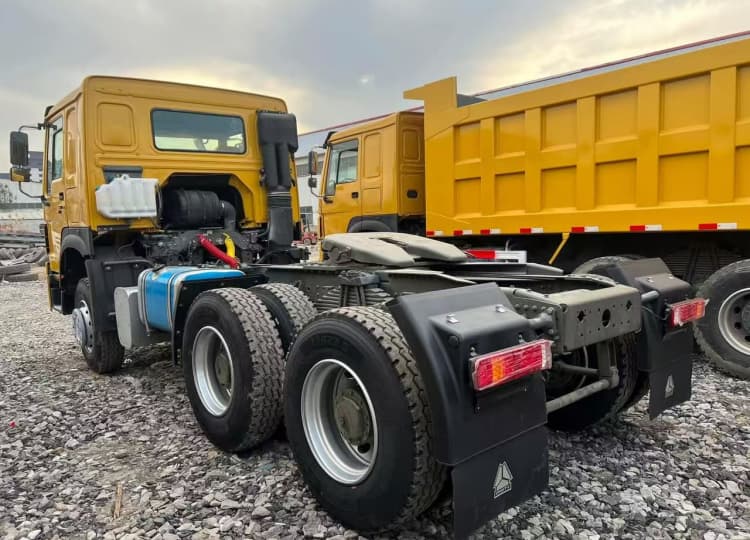
Preserve New-Vehicle Quota For High-Spec, Long-Cycle Assets
Fleet planners can adopt a tiered import strategy: save limited new-vehicle quota slots for premium, long-life assets assigned to continuous high-duty mining or core production hauling. Use compliant remanufactured trucks for mixed highway/off-road support fleets, project-based short-cycle contracts and seasonal capacity surges.
This allocation strategy stretches the value of each new import licence, while remanufactured trucks absorb variable demand that would otherwise force the fleet to burn through quota quickly.
Mitigate FX Pressure And Duty Exposure
New heavy vehicle imports often carry steep import duties and require large foreign-exchange outlays. Professionally remanufactured trucks generally have lower declared value and may qualify for preferential treatment for circular economy goods in certain jurisdictions.
For operators in markets with tight foreign exchange rationing, this reduces the per-unit FX burden and makes incremental fleet expansion financially feasible, even when new-vehicle approvals are rationed.
Compliance Guardrails To Avoid Classification Risk
This pathway is not automatic. Rules vary widely by country: some jurisdictions tightly define reman criteria, while others treat all rebuilt trucks as used vehicles. Procurement teams must align rebuild scope, test records and certificates with local customs guidance before shipment.
Poorly defined reman paperwork can trigger reclassification, seizure or being counted against the same quota the fleet is trying to avoid. Working with a standardised reman protocol framework removes much of this ambiguity.
Conclusion
Professionally remanufactured trucks are a practical tool for navigating tight new-vehicle import quotas and licensing restrictions. By sitting outside the new-vehicle quota basket, supporting local rebuild workflows and backed by auditable validation records, they let fleets expand operational capacity while reserving scarce new-vehicle import rights for their highest-value asset needs. When managed correctly, professionally remanufacturing turns import constraints from a hard growth ceiling into a manageable planning variable.