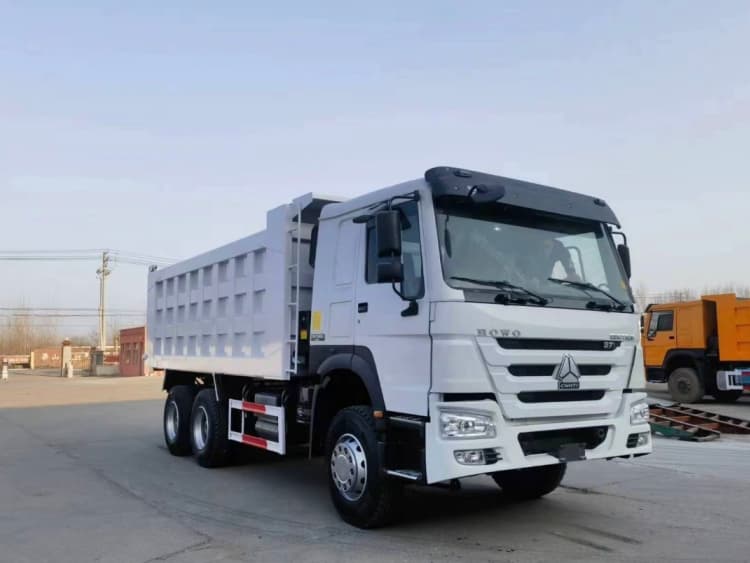
Lower Failure Rate: How Standard Reman Process Ensures Vehicle Long Durability?
For heavy-duty fleets operating in dusty, high-vibration mining and construction environments, unexpected component failures lead to costly downtime, project delays and safety risks.
Many fleet operators mistakenly equate standard reman process with simple repair or repainting. In fact, the core value of a certified reman truck lies in its strict industrial workflow, which cuts failure rates and guarantees long-term vehicle durability.
Rigorous Base Vehicle Screening Eliminates Unqualified Candidates
The low failure rate starts long before any disassembly work begins. Not every used truck can enter the reman production line. Technicians conduct comprehensive inspection on the base unit, focusing on frame fatigue, collision damage, severe corrosion and past overload records.
Any chassis with irreversible structural defects is rejected immediately. This pre-screening step weeds out vehicles with inherent structural weaknesses, avoiding durability risks that cannot be fixed by component replacement. Only qualified base trucks move forward to the next reman stage.
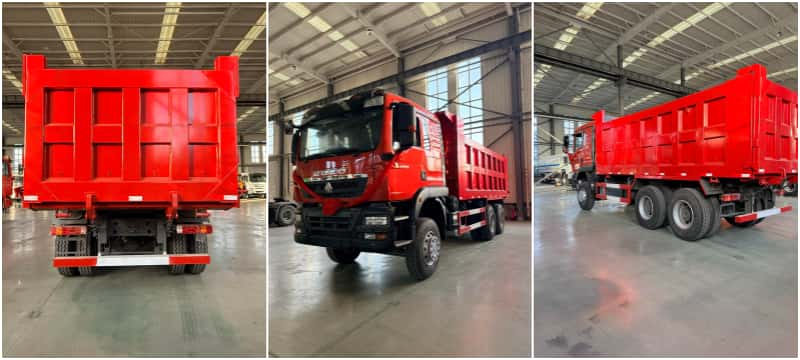
Full Disassembly & Deep Cleaning to Expose Hidden Defects
Unlike surface refurbishment that only fixes visible faults, standard reman process adopts complete teardown of the whole vehicle. Every assembly, sub-component and fastener is separated.
All parts go through industrial deep cleaning to remove carbon deposits, sludge, rust and surface grime. Cleaning reveals tiny cracks, pitting, wear and deformation hidden under dirt and old oil.
These invisible flaws are the leading cause of sudden breakdowns under heavy load. Without this step, defects remain undetected and trigger failures shortly after the truck returns to worksites.
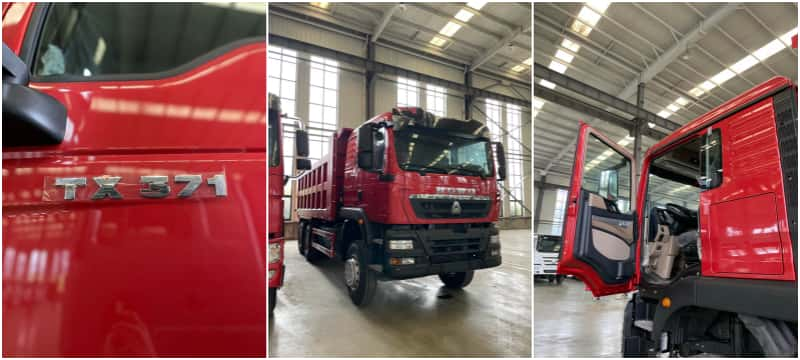
Precision Inspection & Classification of Every Component
After cleaning, each individual part is measured against OEM specifications using professional testing tools. Components fall into three categories: reusable after machining, replaced with brand-new parts, or scrapped.
Worn bearings, seals, piston rings, brake valves and hydraulic seals are not reused blindly. Parts that fail dimensional tolerance checks are discarded. This component-by-component validation ensures no fatigued critical parts stay in the finished truck, greatly lowering the probability of mid-operation failure.
Component Regeneration Back to OEM Tolerance Standards
Reusable metal parts are restored through precision machining, grinding and surface treatment to match original factory dimensions. The goal is not to “make it run”, but to return parts to factory design limits.
This ensures proper fit between mating components, reduces abnormal friction, vibration and heat generation. Poor fitment is a major source of accelerated wear. By restoring all matching clearances, the certified reman truck experiences slower component degradation and maintains stable performance through long shift cycles.
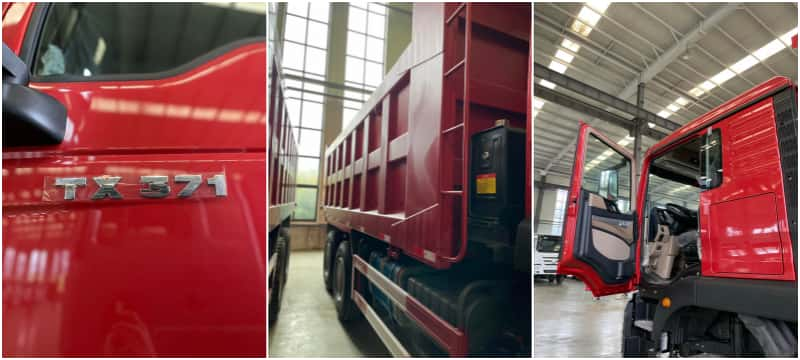
Systematic Reassembly with Standard Torque & Assembly Specifications
Reassembly follows strict industrial operation manuals, not manual experience alone. Every bolt, joint and pipeline is tightened according to OEM torque standards. Improper assembly is a common cause of leaks, loose connections and early failure in casually repaired trucks.
Standardized reassembly eliminates human error. Seals, gaskets and locking fittings are renewed during assembly to prevent oil, air or hydraulic leakage under continuous heavy vibration on rough site roads.
Multi-Stage Bench & Load Testing Before Delivery
Once reassembly finishes, the truck does not ship out directly. Core assemblies run separate bench tests first. Engines, gearboxes, axles and hydraulic systems are tested under simulated heavy load to verify power, pressure, sealing and temperature performance. After subsystem testing, the full vehicle undergoes road and load simulation testing.
Technicians monitor vibration, braking response, tipping function and electrical signals. Any abnormal noise, pressure drop or error code triggers rework. This final testing catches residual issues before the truck leaves the factory, so defects do not appear at remote construction or mining sites.
Traceable Quality Control for Consistent Durability
Every key step of the standard reman process is logged and archived. Inspection results, replaced part lists and test data form a complete traceable record for each vehicle. This documented quality system ensures consistent standards across every reman truck, rather than relying on random workshop workmanship.
If any issue emerges during later operation, service teams can quickly review the reman file for troubleshooting. This full audit trail also helps preserve long-term reliability and residual value.
Conclusion
A lower failure rate and extended service life do not come from cosmetic upgrades. They are built by the full standard reman process: strict base vehicle screening, full disassembly and cleaning, component measurement, OEM-level restoration, specification-based reassembly and multi-stage load testing.
By removing hidden defects and restoring every critical part to factory tolerances, certified reman trucks deliver proven long durability and much fewer unexpected breakdowns for mining and construction fleets.