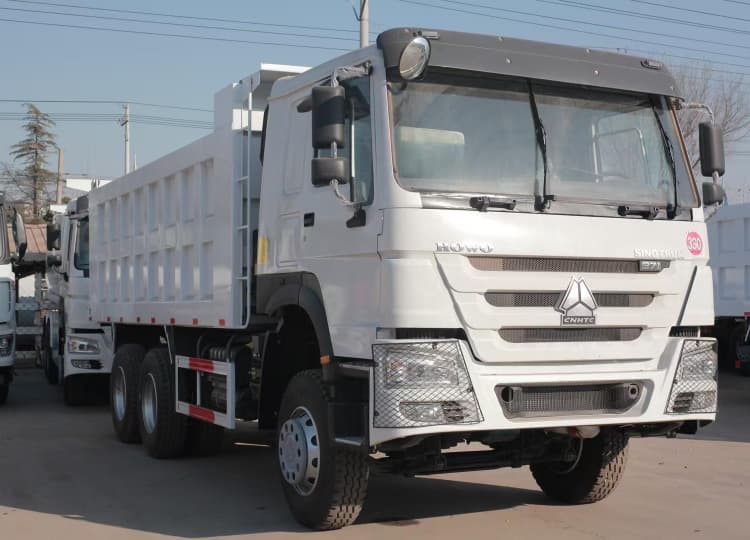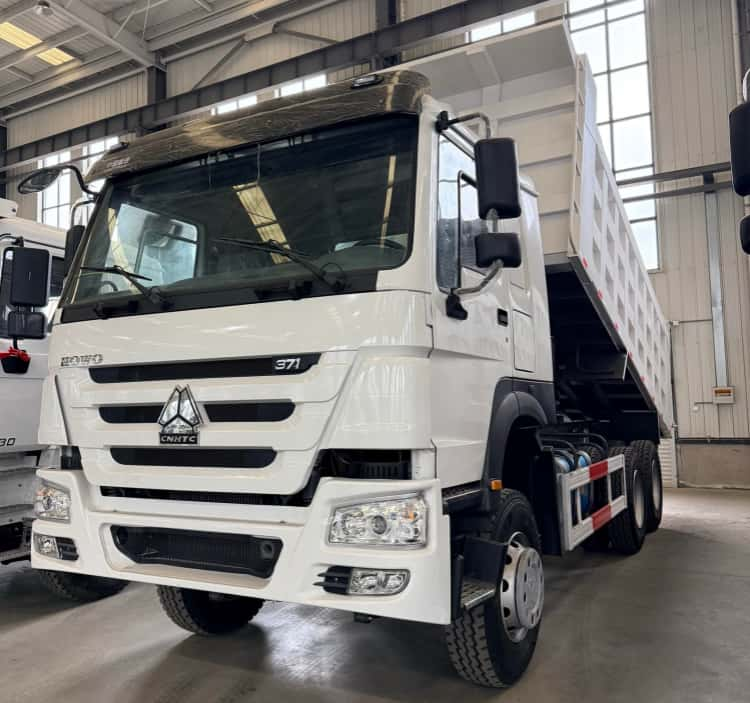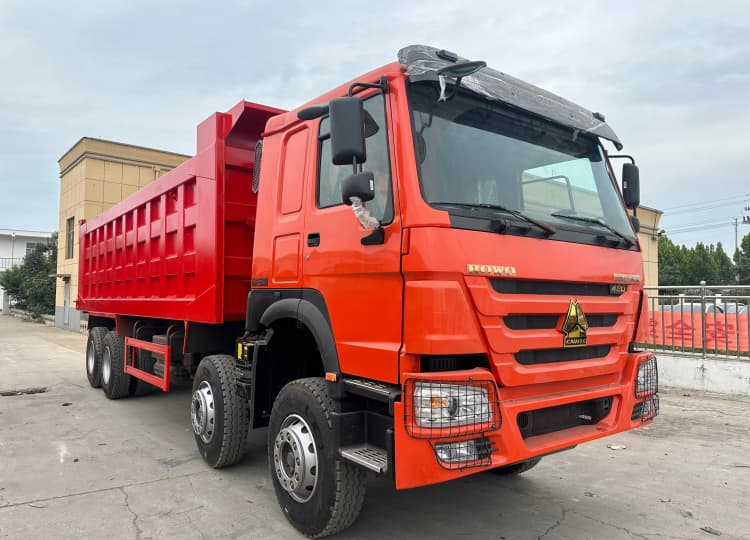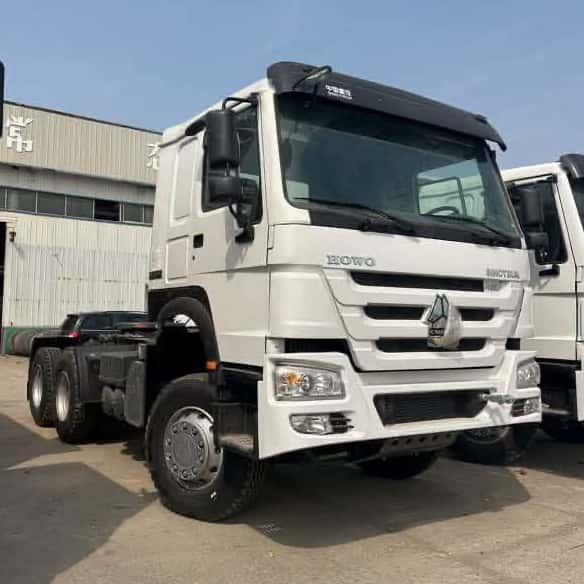
How Reliable Remanufacturing Turns Retired Trucks Into Circulatable Assets?
Intro
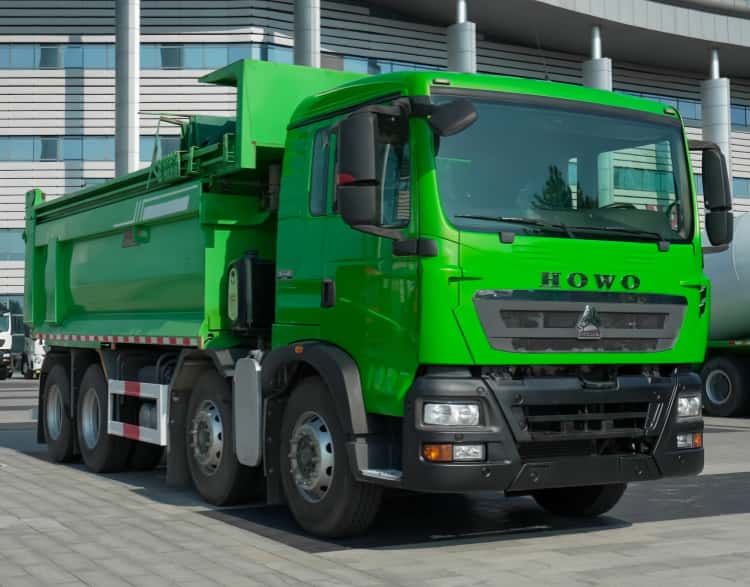
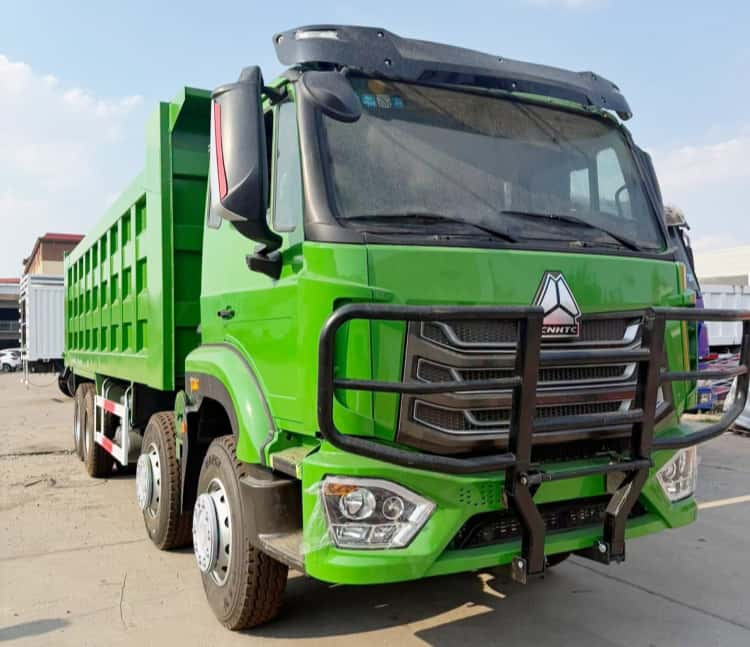
A retired heavy truck is often written off as scrap once it exits its first service cycle. Without reliable remanufacturing, it remains a high-risk, one-off used asset that is hard to resell, finance or return into a circular loop. Reliable remanufacturing changes this status. Following REMAN ROAD’s fixed engineering protocols, eligible retired cores go through full disassembly, non-destructive fatigue screening, component renewal, dyno and road validation, and digital traceability logging.
This reliable remanufacturing process converts a discarded truck into a circulatable asset — one that can be safely operated, traded, insured, financed and later returned for reassessment or another lifecycle reset. Reliability is the foundation of circulation; without proven consistency, circular reuse collapses into informal grey-market resale.
What Makes a Truck “Circulatable”, Not Just Reused?
A circulatable asset carries predictable, transferable value and risk. It cannot depend on visual inspection or patch repairs. It needs a known technical baseline, defined performance limits, verifiable safety status and documented history that transfers between buyers. Ordinary used trucks lack this: hidden metal fatigue, undocumented crash damage and unknown wear history make them risky to pass along in repeated cycles.
REMAN ROAD certification sets a uniform standard. Once reliable remanufacturing process completed, the truck has clear pass/fail test records, defined duty classification, warranty boundaries and a digital asset passport. This is what separates a circulatable reman truck from a casually repaired second-hand unit.
Rigorous Core Screening and NDT Testing Eliminate Hidden Cycle Risks
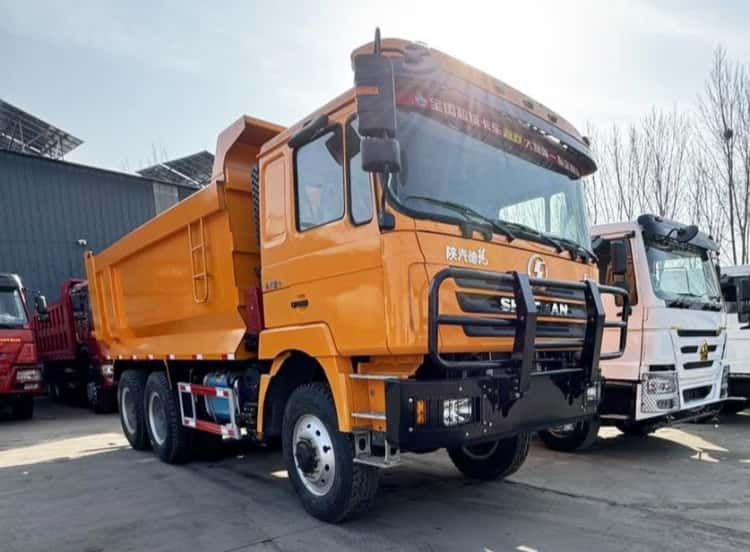
The first step to reliable circulation is rejecting cores that cannot safely cycle again. Every retired truck undergoes intake screening, including NDT inspection for frame cracks, weld defects and subsurface metal fatigue that cannot be seen visually. Units with irreparable structural damage, severe corrosion or un-upgradable emissions architecture are diverted to controlled recycling and excluded from reliable remanufacturing.
Only cores with sound structural foundations proceed. This hard filtering prevents unsafe assets from entering the loop and stops latent failures from breaking the trust needed for repeated resale and redeployment.
Standardised Rebuild and Performance Testing Lock Consistent Baseline
Reliability comes from repeatable rebuild workflows, not technician judgement. During reliable remanufacturing process, worn bearings, seals, brake linings, hydraulic components and ageing powertrain consumables are replaced according to fixed rules. Retained components are cleaned, dimension-checked and calibrated. Final validation includes engine dyno testing, brake threshold verification, hydraulic system pressure tests and full road trials.
The finished truck meets a published performance benchmark, not an arbitrary “good enough” condition. This stable baseline means every buyer, lender and insurer understands what they are acquiring, whether the asset stays in the original fleet or is traded to a new operator.
Traceability Passport Lets The Asset Travel Through The Loop
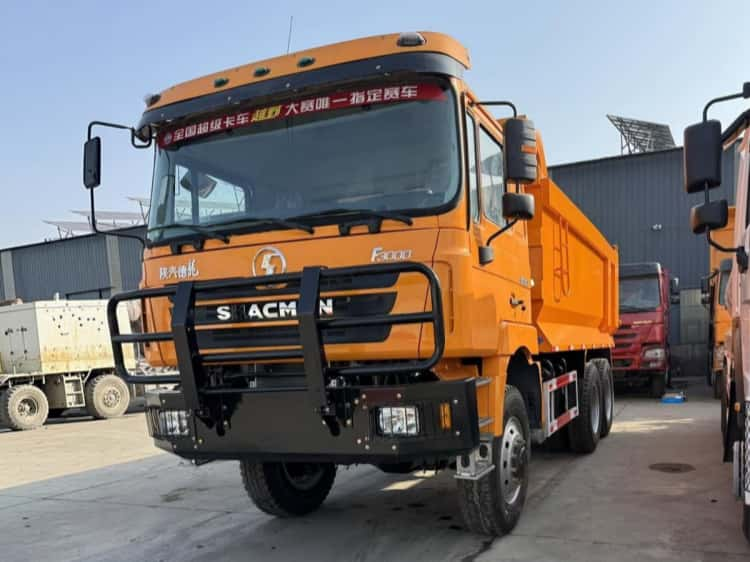
Circulation requires transferable proof. REMAN ROAD attaches a continuous digital traceability record to each reman truck: core origin, inspection reports, component replacement list, test results, warranty terms and duty classification. When the truck is sold, leased or returned at the end of its second service life, this full history transfers with it.
Auditors can verify carbon savings, financiers can collateralise the asset, and maintenance teams can plan service schedules. This linked record turns a standalone vehicle into a portable, auditable circular asset that moves reliably across operators and borders.
Warranty and Duty Classification Reduce Uncertainty For Every Stakeholder
Unpredictable breakdown risk is the biggest barrier to repeated asset circulation. Certified reliable remanufacturing comes with formal warranty coverage, paired with duty classification that matches the truck to suitable workloads. Heavy-duty construction cycles, medium haulage or light local transport each have assigned limits.
Operators cannot deploy the asset beyond its validated envelope, which suppresses premature wear and failure. This risk framework gives buyers confidence to purchase, lenders confidence to finance, and insurers confidence to quote stable premiums. Lower perceived risk increases liquidity, making the asset easier to trade within the circular market.
Stable Residual Value Supports Reverse Flow of Cores
For circulation to keep running, fleets must choose to return eligible units to the reman network instead of selling into unregulated markets. Reliable reman trucks hold more predictable residual value because their condition is certified and documented. When the second service life ends, the owner knows the truck still has recoverable value as a reman core, rather than only scrap value.
This creates a steady reverse supply stream: fleets return end-of-cycle assets, the reman facility screens and rebuilds qualified cores, and newly reset trucks re-enter the market. It forms a self-sustaining circular flow.
Clear Boundaries Protect The Integrity of The Circular Pool
Reliable remanufacturing does not promise infinite cycles for every truck. After repeated service cycles, even well-maintained cores may eventually reach a point where structural or economic thresholds are no longer met. At that stage, the truck exits the reman loop and enters material recycling.
This disciplined exit rule prevents overcycling fatigued assets and preserves the credibility of the whole circulatable asset pool. Circularity is not endless reuse; it is controlled, safe reuse for as long as engineering standards allow.
Conclusion
Reliable remanufacturing transforms retired trucks from disposable scrap into circulatable assets by establishing a repeatable, auditable safety and performance baseline. NDT screening, standardised rebuild, performance validation, digital traceability, warranty protection and duty classification work together to remove the uncertainty that traps ordinary used trucks outside formal circular channels.
Under REMAN ROAD reliable remanufacturing standards, reman trucks can be operated, traded, financed and recycled predictably, turning the circular economy from a sustainability concept into a working, tradable asset market for heavy-duty transport.