How Formal Remanufacturing Changes Fleet Asset Planning Cycles?
Intro
Traditional fleet asset planning follows a fixed linear cycle: purchase new trucks, run them for a set service window, budget for steep depreciation, then sell or scrap once maintenance costs rise too high. Formal remanufacturing breaks this rigid schedule. It inserts a controlled lifecycle reset point into the asset journey, giving fleet managers a new decision layer between continued high-cost operation and full replacement.
With REMAN ROAD’s standardised formal remanufacturing testing, traceability, warranty and duty classification, asset planning shifts from a one-and-done replacement cycle to a dynamic, multi-stage circular asset roadmap.
The Traditional Linear Asset Cycle And Its Limitations
In the classic model, planners calculate a fixed holding period for new heavy trucks. Once units hit the end of their designed first life, they face two poor choices: keep running ageing trucks with rising unplanned downtime and repair spend, or commit large CAPEX to purchase replacements.
The cycle is inflexible, heavily exposed to new truck lead times and price volatility. Depreciation is front-loaded, and residual value declines rapidly as the vehicle ages. This structure works well for unlimited capital and stable OEM supply, but it creates cashflow strain for medium fleets, contractors and project-based operations.
Reman Adds a Mid-Cycle Reset Decision Point
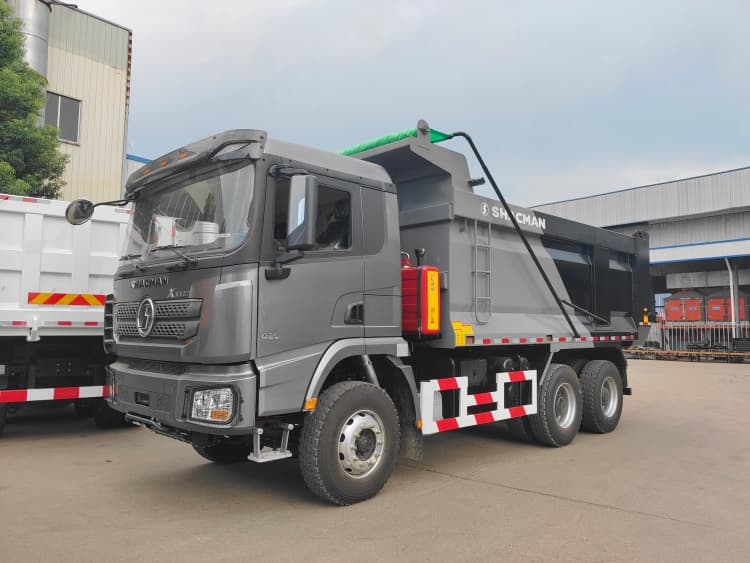
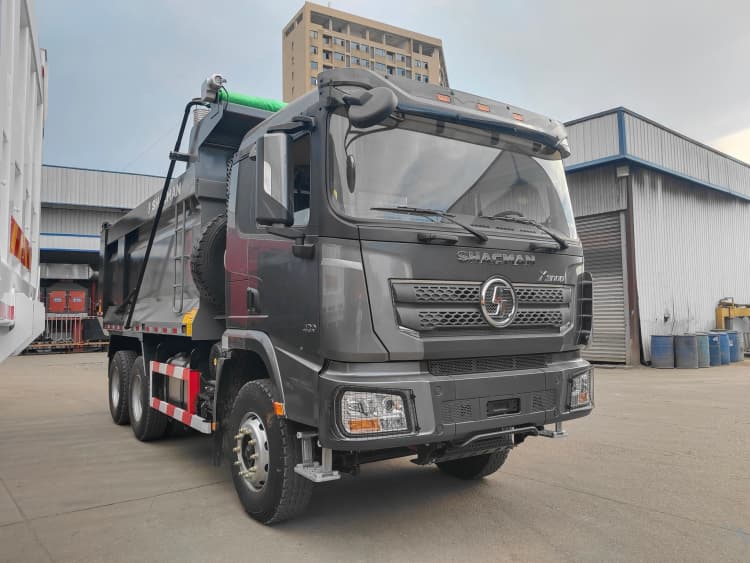
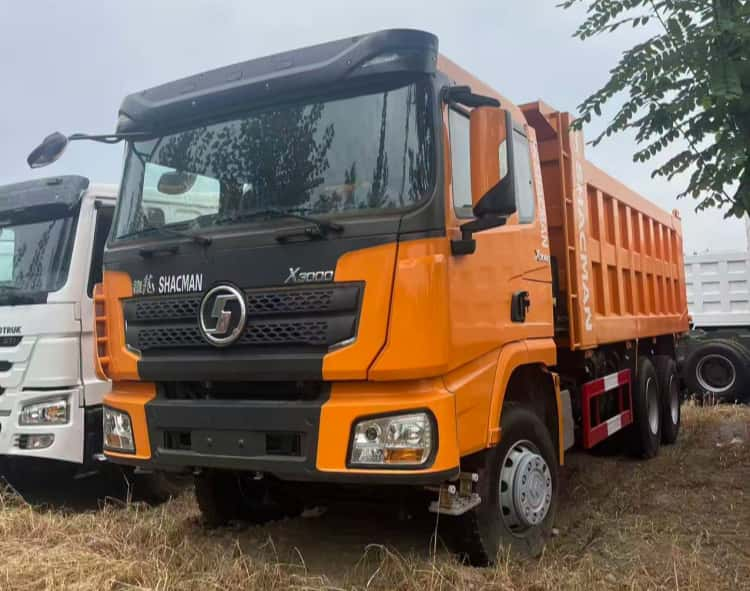
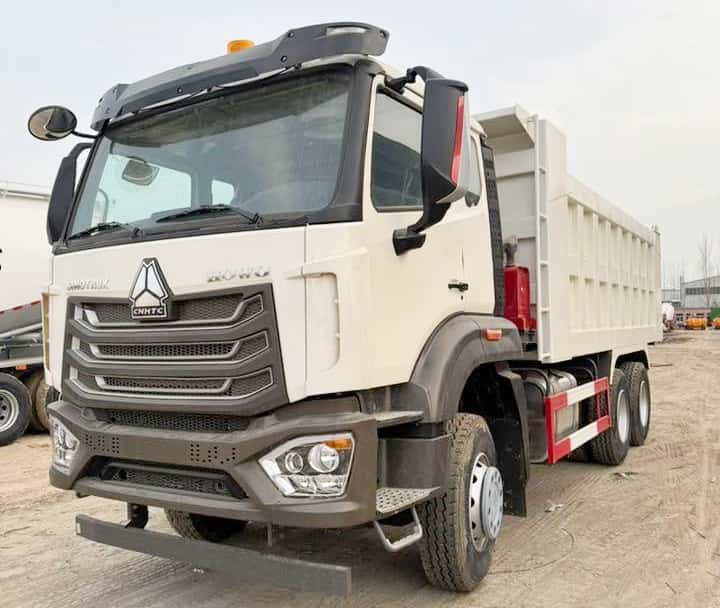
Formal remanufacturing introduces a deliberate checkpoint when a truck reaches its original service threshold. Instead of automatic disposal, the core undergoes full technical assessment. If it passes NDT structural inspection, fatigue testing and compliance checks, it can enter formal remanufacturing workflow for a lifecycle reset. After rebuild, validation and certification, the truck restarts a defined second service cycle with a new warranty baseline and scheduled maintenance plan.
This turns the single-use linear cycle into a two-stage (or longer, where engineering permits) asset cycle. Planners can spread capital expenditure over time, rather than lumping large replacement outlays into one budget window.
Depreciation Schedules Become Flatter And More Predictable
New heavy trucks lose value fastest in the first years of operation. Certified formal remanufacturing reverses this pattern. After reset, the asset’s valuation is anchored to its reman certification and test results, not its original build date. The depreciation curve flattens substantially.
Fleet finance teams can model residual value with far greater confidence, because formal remanufacturing workflow standards and digital records give lenders and buyers a consistent reference point. This changes depreciation forecasting: assets no longer slide rapidly toward scrap value, and planned write-downs become easier to align with multi-year budgets.
Maintenance Budgeting Shifts From Reactive To Phased Planning
In the old cycle, later-life maintenance is dominated by unexpected roadside failures and emergency repairs. Formal remanufacturing establishes a fresh wear baseline. Every reman truck leaves with a standardised maintenance schedule tied to its duty classification.
Fleet planners can budget for scheduled service blocks months or years in advance, with far lower contingency funding for unplanned breakdowns. Maintenance planning becomes built into the asset cycle itself, rather than a growing, unpredictable burden that signals the end of a truck’s usable life.
Procurement Planning Gains Supply Flexibility
Asset planning used to be locked to OEM production timelines and import lead times. Formal remanufacturing creates an internal and regional core pipeline. Fleets can plan refresh cycles using recovered cores from their own fleet or the REMAN ROAD core pool, instead of relying entirely on new factory orders.
This is especially valuable for short-term project fleets, seasonal haulage and construction work with tight mobilisation deadlines. Planners can match asset availability to project timelines, without waiting for new chassis delivery. It also reduces exposure to semiconductor shortages, component backlogs and global freight delays.
Aligning Asset Cycles With ESG, Reporting and Tender Requirements
Modern fleet planning is no longer purely financial and operational. ESG targets, Scope 3 carbon reporting and tender evaluation criteria now shape asset rollout plans. Formal remanufacturing workflow creates auditable carbon savings for each reset truck. Planners can intentionally phase reman units into the fleet to meet sustainability milestones, instead of only buying new low-emission vehicles.
Asset cycles can be staggered: a mix of new trucks and certified reman trucks balances operational performance, capital spend and carbon disclosure obligations. This integrated approach is impossible within the traditional scrap-and-replace cycle.
Duty Classification Guides The Second-Life Deployment Strategy
A key part of revised asset planning is matching each reman-reset truck to an appropriate workload. Not all reset cores return to the same heavy-duty construction cycle they served in their first life. REMAN ROAD formal remanufacturing duty classification assigns limits based on inspection data, frame condition and accumulated fatigue history.
Planners can route stronger cores back into high-wear dump or haulage work, while units with higher accumulated wear go into lighter, lower-cycle applications. This intelligent assignment extends the total useful fleet life, reduces premature failure and protects the ROI of the reman investment.
Exit Rules Keep The Planning Framework Disciplined
Formal remanufacturing workflow does not mean indefinite service life. Asset cycles still have clear end-of-loop criteria. Cores that fail structural testing after a cycle, develop irreparable corrosion or crash damage, or become non-compliant with emissions rules are excluded from further reman and directed to controlled recycling.
These fixed exit gates prevent planners from over-relying on ageing assets and introducing safety risk into the fleet. Good circular asset planning knows when to reset, when to reassign duty and when to retire an asset permanently.
Conclusion
Formal remanufacturing workflow transforms fleet asset planning by replacing the rigid linear “buy, run, scrap” cycle with a flexible, staged circular framework. It adds a verifiable lifecycle reset option, flattens depreciation curves, stabilises maintenance forecasting, diversifies procurement supply and lets planners align asset rollout with ESG and tender goals.
Supported by REMAN ROAD formal remanufacturing’s testing, traceability and duty classification, fleet managers gain more control over capital timing, downtime risk and total ownership cost across the full fleet portfolio.