What Is a Qualified Core in the Whole-Truck Reman Workflow?
Introduction
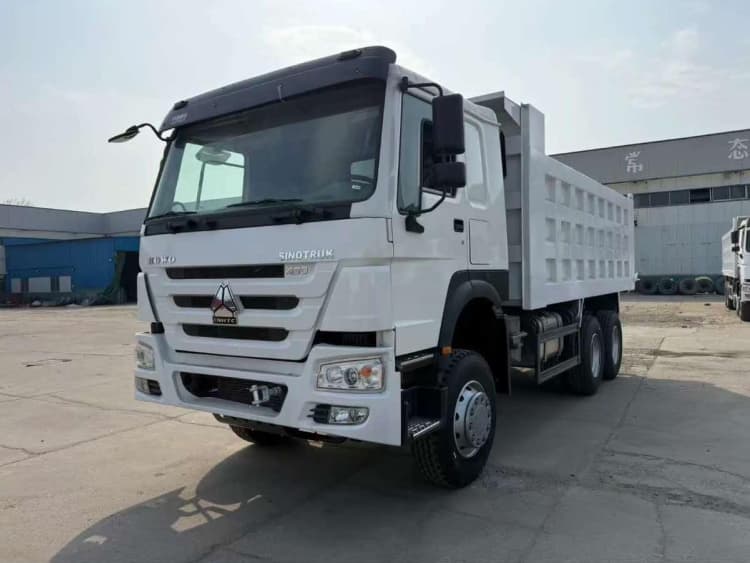
The entire value of certified truck remanufacturing rests on one critical input: a qualified core. Even the most skilled workshop, advanced testing equipment and strict process standards cannot turn a fatigued, damaged or misused core into a reliable reman truck. In the REMAN ROAD truck reman workflow, a qualified core is not simply a truck that still starts and drives. It is a retired vehicle or chassis that meets fixed engineering thresholds, retains sufficient fatigue reserve, and can safely go through full teardown, restoration and lifecycle reset to reach new-equivalent performance. Core qualification is the very first quality gate, and it decides whether the asset enters reman, gets harvested for spare parts, or is sent for scrap recycling.
Core definition: What a qualified core is (and is not)?
A qualified whole-truck core is a retired heavy vehicle whose primary load-bearing structures and major assemblies have not exceeded their design wear, corrosion and fatigue limits. It is not:
- A wrecked truck with twisted frame rails
- A unit with a history of repeated severe overload or thermal damage
- A chassis patched with unapproved, undocumented field repairs
- A truck that runs but hides extensive subsurface cracking or deep material loss
A core may still have worn engines, leaky seals, degraded suspension and faded components. Those are expected and can be fixed during truck reman workflow. The disqualifying issues are irreversible damage to the structural backbone and critical high-stress components.
The key assessment gates for whole-truck core qualification
Service and damage history review
Inspectors start by documenting the core’s background before physical testing. They review mileage, application type (on-highway, mining, construction), overload records, accident reports, prior repairs and maintenance patterns. A truck used for consistent heavy overloading, or one involved in a major collision, carries elevated fatigue risk even if visible damage was repaired. Any undocumented frame welding or structural modification automatically triggers extra scrutiny, and often rejection.
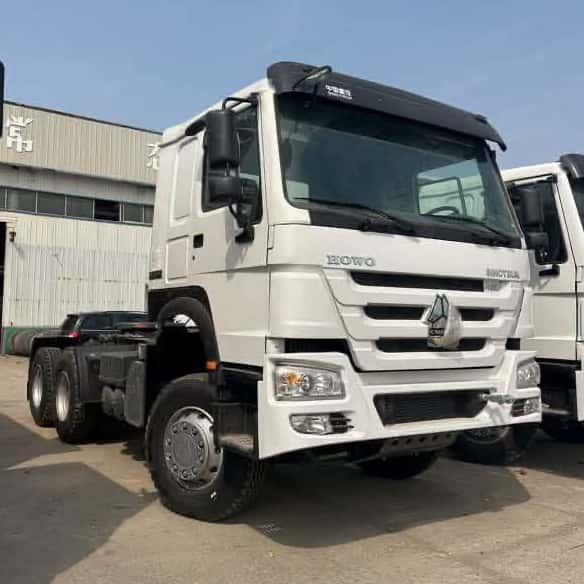
Frame and structural dimensional inspection
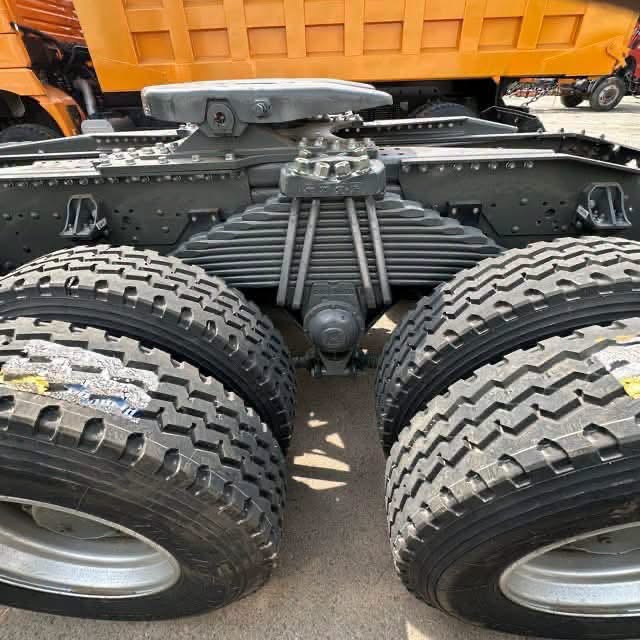
Chassis frame straightness is checked for bow, twist and sag against tolerance limits. Even minor frame distortion creates uneven load distribution and accelerates fatigue after truck reman workflow. Crossmembers, spring hangers, kingpin supports and fifth-wheel mounting points are all measured. If distortion exceeds the maximum allowable correction range, the core is disqualified. Controlled straightening is permitted only within published engineering limits and followed by re-inspection and NDT.
Material loss and corrosion evaluation
Ultrasonic thickness testing measures rail sections, brackets and high-load joints. Light surface rust is acceptable and can be removed and protected. Deep pitting, wall thinning or corrosion at weld zones reduces the material’s load capacity permanently. When remaining material thickness falls below the minimum threshold, the structure cannot be safely restored, regardless of cosmetic treatment.
Non-destructive testing (NDT) for hidden cracks
This is one of the most decisive qualification steps. Visual inspection cannot detect microcracks beneath the surface. Critical structural areas are screened using magnetic particle, ultrasonic or dye penetrant testing. Cracks in frame rails, axle housings, steering knuckles and crankshafts usually mean the core or that assembly fails qualification. Small, repairable defects are only accepted if the standard defines approved repair procedures and post-repair verification.
Component-level fatigue and wear screening
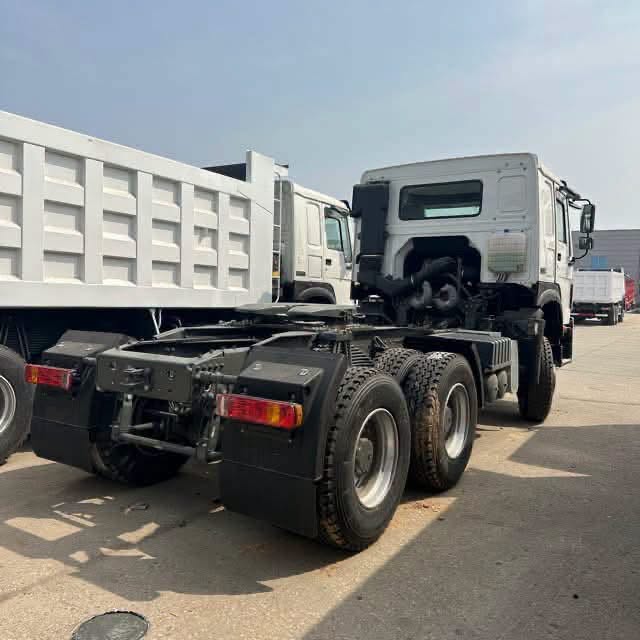
The full core assessment also covers major assemblies: axles, steering, brake housings, engine blocks and transmission casings. Technicians evaluate bearing journals, gear tooth condition, heat discoloration from overheating and cumulative wear. Individual parts that fail can be replaced during truck reman workflow, but widespread, cascading fatigue across multiple safety assemblies may disqualify the whole truck core.
Traceability baseline capture
A qualified core also needs traceability data. Its serial numbers, test readings and inspection outcomes are logged into the REMAN ROAD system at intake. This baseline record stays attached through teardown, rework, testing and final certification. Without this starting record, the core cannot be tracked as a certified reman truck.
Three possible outcomes after core assessment
- Fully qualified whole-truck core The chassis and key assemblies pass all gates. The truck proceeds into full teardown, cleaning, component grading and standard remanufacturing. It will be reset as a complete certified reman truck.
- Partially qualified core (harvest core) The main frame fails, but individual assemblies such as an axle or transmission still meet criteria. These usable components are harvested into a separate certified component pool for future reman builds. The rest of the chassis goes to scrap. This extracts value without compromising whole-vehicle safety standards.
- Unqualified core / scrap core Structural damage, excessive corrosion or accumulated fatigue cannot be repaired within standard limits. The core exits the truck reman workflow and moves to metal recycling. It will not be sold as a reman base, nor patched up for low-grade rebuild.
Common misconceptions about qualified cores
- “If it runs, it is a qualified core.” Running condition only proves basic function. Hidden fatigue and frame distortion are invisible during a test drive.
- “We can weld any crack and save the core.” Not all cracks are repairable. Many high-stress zone cracks render the core permanently unsafe for reman.
- “Older trucks are automatically disqualified.” Age alone is not the deciding factor. A low-stress, well-maintained older chassis may pass testing, while a newer truck with overload damage can fail.
Why core qualification matters for fleet buyers?
Buyers rarely see this intake screening process. But every certified reman truck’s reliability and residual value depend on it. A reman truck built from a properly qualified core delivers predictable service life, passes NDT validation and carries a standard lifecycle warranty.
Units built from unqualified cores are the source of early breakdowns, structural failures and warranty disputes. Understanding this gate helps buyers ask the right questions: requesting core intake reports, NDT records and dimensional checks as part of their compliance package.
Closing
A qualified core is the foundation of trustworthy whole-truck reman. It is not judged by age or appearance, but by measurable structural integrity, remaining fatigue reserve, clean service history and successful completion of REMAN ROAD intake inspection gates. Rigorous sorting at this stage separates safe, restorable assets from those that cannot meet new-equivalent performance, protecting the long-term reliability and circular value of every certified reman truck.