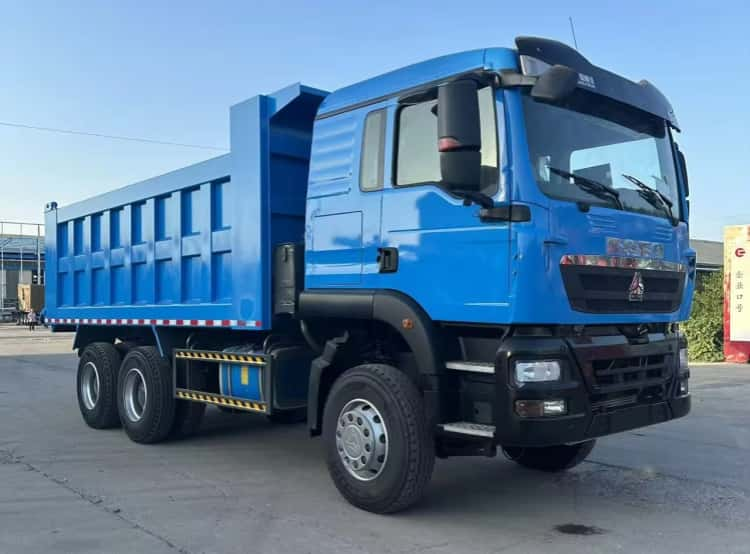
Core Tenets of Qualified Reman: Safety, Standardisation and Circulation
Introduce
Qualified remanufacturing cannot be reduced to a checklist of repair activities or cosmetic upgrades. Its legitimacy rests on three tightly linked, mutually reinforcing tenets: safety, standardisation and circulation. None can stand alone.
Safety sets the hard bottom line that engineering decisions cannot cross. Standardisation delivers the consistent logic and evidence to prove safety repeatedly. Circulation turns safe, standardised assets into transferable, value-bearing units that flow through the circular ecosystem. As a neutral bridge connecting all stakeholders, this three-pillar structure creates the shared foundation that separates genuine qualified remanufacturing from informal, high-risk rebuilds.
Tenet One: Safety — the non-negotiable baseline
Safety is the first and overriding tenet. It is not an optional bonus or a marketing feature; it is the threshold that determines whether a core is eligible for reman at all.
Safety in this context means measurable residual structural margin. Hidden fatigue, subsurface cracks, permanent deformation and compromised load-bearing geometry are the greatest hazards. Visual inspection alone cannot expose these risks. Therefore, safety requires mandatory fatigue screening, NDT scanning, service-history review and dimensional verification before any disassembly or rebuild work begins.
Safety also extends to system behaviour. Even if individual components are intact, misaligned subsystems, uncalibrated braking distribution, thermal imbalance or driveline resonance can create safety hazards under dynamic load. Loaded full-vehicle validation exists to catch these integration risks.
This tenet imposes a clear rule: if a core cannot satisfy safety criteria, it is rejected from reman. It will be routed to component harvesting or material recycling instead. No amount of investment in new parts or finishing work can override a safety failure. Safety comes before cost targets, delivery schedules or transaction profit.
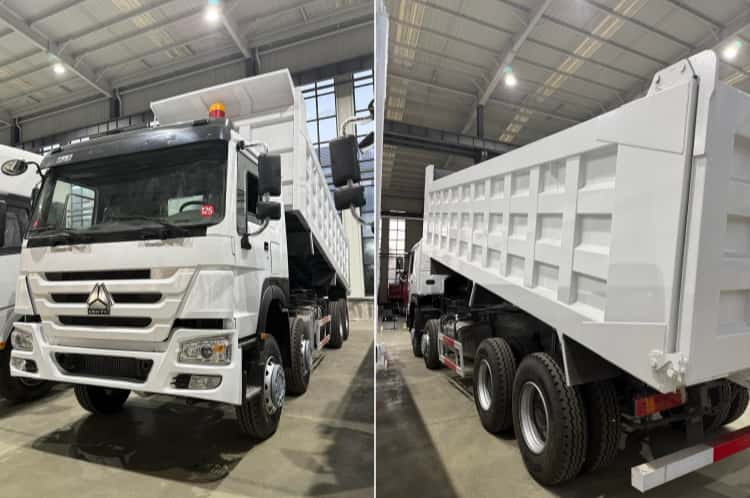
Tenet Two: Standardisation — the shared language for consistent trust
Safety alone is not enough if assessment rules shift between workshops, inspectors or buyers. Standardisation turns safety from a subjective workshop judgement into repeatable, auditable practice.
Standardisation does not demand identical parts or identical rebuild recipes for every asset. It locks in a unified foundational logic: what counts as a lifecycle reset, which gates must be passed, what evidence must be recorded, and how residual margin and duty limits are defined. It gives remanufacturers, independent verification bodies, fleet operators, insurers and financiers the same benchmark to evaluate an asset.
Under this tenet, traceability is a core standard requirement. Every key inspection, component grading, machining parameter, calibration record and test dataset is linked permanently to the asset identifier. Independent verification becomes feasible precisely because the rules are consistent.
Standardisation solves the market’s biggest pain point: information asymmetry. When stakeholders use the same standard framework, they do not need to rely on seller claims, appearance or reputation. They can cross-check records against agreed rules. This is how safety becomes verifiable, not merely claimed.
Tenet Three: Circulation — the circular economy outcome
Safety establishes that the asset can operate without unacceptable risk. Standardisation makes its reliability and value provable. Circulation is the final purpose: enabling the asset to move predictably through the ecosystem while preserving its remaining value.
Circulation means the reman truck is liquid, comparable and transferable. Its residual value can be modelled, financed, insured and traded. When its second lifecycle ends, it can once again enter the sorting workflow, directed to reman, component harvesting or recycling based on its condition at that time.
This tenet rejects the idea that qualified remanufacturing is only a one-off fix for a single end user. It treats the asset as a portable bundle of verified residual value. Clear duty classification supports circulation, because the next buyer can understand the asset’s approved operating envelope and remaining capacity.
Circulation also pushes the whole ecosystem toward rational sorting. Not every core is reman-ready. A healthy circular flow sends each asset to its highest-value pathway. This prevents unsafe cores from entering service and stops structurally viable cores from being scrapped prematurely.
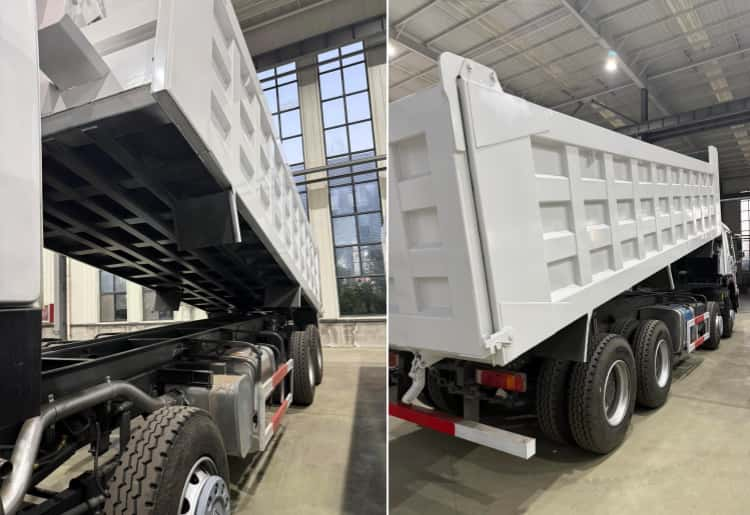
How the three tenets work as one?
The three tenets form an unbroken chain. Without safety, qualified remanufacturing workflow only produce repeatable unsafe assets. Without standardisation, safety judgements are inconsistent and cannot be trusted by external parties. Without circulation, safe and standardised reman trucks remain isolated, trapped in one-off transactions and fail to unlock the broader value of the circular economy.
No single tenet can be prioritised at the expense of another. Speeding up circulation by skipping safety checks destroys the credibility of the whole sector. Enforcing safety without standardisation means results cannot be independently validated. Rigid standards that ignore the flow of assets and value create a framework that is technically sound but economically unworkable.
Common market shortcuts that break this triad
Many low-quality rebuilds break the balance of these three tenets. Some prioritise fast circulation and low cost, skipping fatigue screening and system validation. They sacrifice safety for speed and transaction volume. Some claim safety while using private, undocumented inspection rules. Without standardisation, their safety claims cannot be verified or transferred to other stakeholders. Some run strict technical checks but produce assets with no traceable residual-value documentation. These assets cannot circulate freely, as their reliability cannot be communicated to financiers or future buyers.
Qualified remanufacturing avoids these shortcuts. It holds all three tenets in balance.
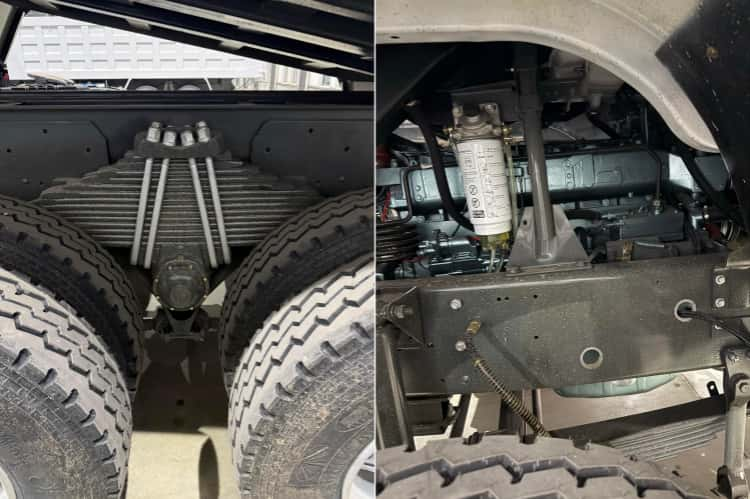
Closing thought
Safety, standardisation and circulation are the inseparable core tenets of qualified remanufacturing. Safety sets the engineering bottom line. Standardisation delivers the shared rules and auditable evidence to prove safety. Circulation turns verified second-life assets into transferable value that fuels the circular ecosystem.
This triad is the stable backbone for lifecycle reset. It moves qualified remanufacturing workflow beyond cosmetic refresh or isolated component repair, and builds the consistent trust that allows circular heavy assets to scale responsibly.