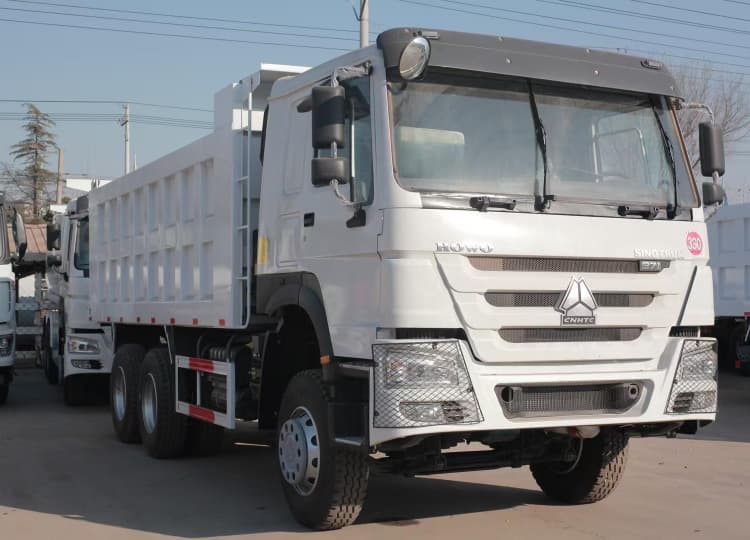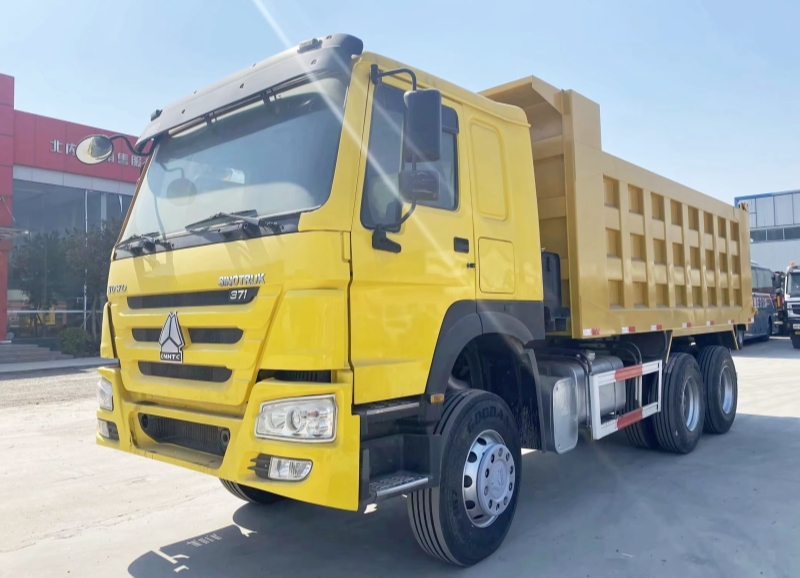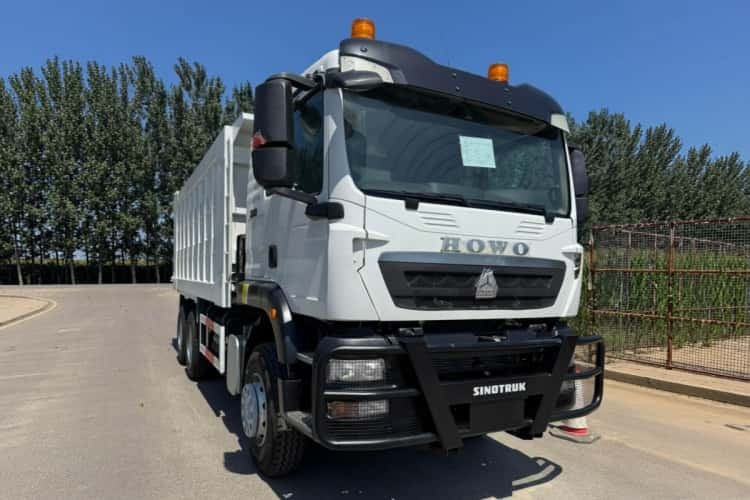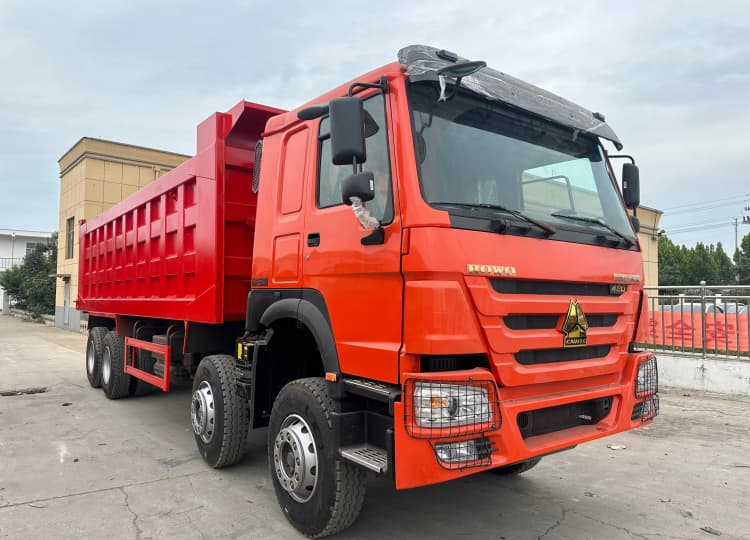
Starting Out: Everything You Need to Learn About Heavy Trucks Reman Basics
Introduce
If you are new to heavy trucks remanufacturing, it is easy to get confused by overlapping terms and conflicting marketing claims. Repair, overhaul, refurbishment and remanufacturing are often mixed together in sales conversations, and many buyers struggle to tell which one delivers a true lifecycle reset.
This guide covers the foundational basics of heavy trucks remanufacturing. It builds on the shared logic used across the reman ecosystem, helping new learners separate facts from misleading surface-level claims. It also shows how different participants connect to one another in the circular value chain.
First, clear the core definitions
The most important starting point is to lock down consistent terminology. These four categories are often confused, but they carry very different engineering and economic meanings.
- Repair: Fixing one specific fault after a breakdown. The goal is to get the truck running again with minimal intervention. It does not assess overall residual structural margin, nor reset the asset’s lifecycle baseline.
- Overhaul: Deep work on one single subsystem, such as an engine, transmission or hydraulic pump. It restores that subsystem’s function, but leaves the frame, axles, braking and other systems uninspected.
- Refurbishment / Cosmetic reconditioning: Cleaning, repainting, replacing visible parts and improving appearance. It targets visual presentation, with no requirement for fatigue testing or system calibration.
- Heavy Trucks reman: A systematic, gated, full-vehicle assessment and reset. It treats the truck as an integrated dynamic system. The core must pass fatigue screening, go through full disassembly, component grading, controlled regeneration, cross-system calibration and loaded validation. Its objective is to establish a stable, verifiable second-life baseline while preserving remaining OEM design margin.
A simple rule to remember: repair fixes a problem, overhaul fixes a subsystem, refurbishment fixes the look, and heavy trucks reman resets the whole asset’s usable lifecycle.
The core prerequisite: a qualified core
Heavy trucks remanufacturing cannot start with just any used truck. The core is the foundation of the whole truck reman process.
Before any disassembly begins, the core needs a full review of service records, overload history, accident records and prior structural modifications. Dimensional checks rule out permanent deformation. NDT scanning checks for hidden subsurface fatigue and cracks in high-stress zones.
If the core has irreversible fatigue damage, it is not eligible for heavy trucks reman. It will be diverted into the next best circular pathway: component harvesting for usable spare parts, or material recycling. Pouring money into renewing parts on an unqualified core only creates sunk cost and unreliable assets.
Only cores with sufficient remaining structural margin move forward into the truck reman process.
The basic gated workflow
The truck reman process follows a fixed sequential order. No gate can be skipped for a valid lifecycle reset.
- Core qualification and fatigue screening: Confirm the core is structurally eligible for a second life.
- Full disassembly and grading: Take the whole vehicle apart, clean every component, and sort them into three groups: regenerable within OEM tolerances, mandatory replacement regardless of visual condition, or condemned for scrap.
- Controlled regeneration and component sourcing: Reusable parts are machined within strict material removal limits. Replacement parts must match original material grade and heat-treatment standards.
- System-aligned reassembly and calibration: Reassemble following OEM torque and clearance rules. Calibrate powertrain, cooling, braking, hydraulics and electronic controls to work in harmony.
- Loaded full-vehicle validation: Test the integrated system under simulated working loads, not just static idle or short road driving. Capture temperature, pressure, vibration and fault data.
- Traceability recording: Link every inspection log, test report, component serial number and calibration record to the vehicle’s unique identifier, forming a permanent audit trail.
Cosmetic cleaning and painting happen after all technical validation. It is protective finishing, not a quality checkpoint.
The key idea: system harmony beats isolated component quality
This is one of the hardest basics for new learners to grasp.
Even if every individual component looks new and passes its own separate bench test, the truck may still fail early in service. The risk comes from subsystem mismatch.
An engine rebuilt to perfect bench power may overheat if the cooling system flow balance is not calibrated. New brake components can create uneven braking force if hydraulic distribution and ECU logic stay unchanged. Transmission tuning can introduce vibration that accelerates fatigue on frame joints.
True heavy trucks reman does not only check whether each part works. It verifies how they work together as one connected system. This is the difference between piecemeal replacement and a proper lifecycle reset.
Understand duty classification and its limits
A remanufactured truck is not equivalent to a brand-new truck. This is a critical, widely misunderstood basic principle.
After fatigue assessment and loaded testing, each reman asset receives a defined approved operating envelope. This includes payload limits, terrain classification and cyclic load expectations. It reflects the asset’s verified residual safety margin.
Running the truck outside this envelope consumes its remaining structural margin far faster, raises failure risk and invalidates the agreed baseline. Fleet operators must match the asset to a suitable workload, rather than assigning it to the harshest continuous heavy-duty tasks reserved for new vehicles.
Who are the stakeholders in the reman ecosystem?
Heavy trucks remanufacturing is not a one-party activity. It is a collaborative network, and understanding each participant’s role helps you see the whole picture.
- Reman suppliers: Execute the gated truck reman process workflow, inspect, regenerate and reassemble assets.
- Asset operators and fleets: Define operational requirements, use the assets and manage scheduled maintenance.
- Independent verification bodies: Provide neutral, objective checks against the workflow logic.
- Financial and insurance institutions: Use traceable evidence to assess risk, structure financing and coverage.
- Recycling and harvesting partners: Handle cores and components that are not suitable for reman.
These groups rely on a shared, consistent language and evidence standard. That shared foundation is what REMAN ROAD builds as a neutral bridge across the ecosystem.
Common beginner traps to watch out for
New market participants often fall into these predictable pitfalls:
- Judging reman quality by appearance, paint and cleanliness.
- Assuming a reman engine equals a fully remanufactured truck.
- Believing a short road test is enough to validate integrated performance.
- Ignoring traceability records and accepting only a simple certificate.
- Treating reman as always cheaper upfront, without modelling full TCO over the second life.
- Assigning remanufactured trucks to duty cycles beyond their approved envelope.
These mistakes come from relying on surface cues instead of engineering evidence. They create unnecessary downtime and financial losses for fleets.
What reman is not?
To wrap up the basics, it helps to draw clear boundaries. Reman is not a quick repair job. It is not a cheap cosmetic refresh. It is not a way to “fake a new truck”. It is not a universal solution for every used heavy vehicle.
It is a deliberate, evidence-based circular pathway, reserved for qualified cores, designed to unlock trapped residual value in a controlled, predictable way.
Closing thought
Learning heavy trucks reman basics starts with unlearning vague assumptions. It begins with clear definitions, understanding the core qualification rule, recognising the importance of system harmony, and respecting the hard limits of residual structural margin.
Once these basics are in place, you can evaluate assets, compare tenders and assess risk using objective, auditable evidence, rather than marketing presentation. This is the starting point for participating in a more transparent, trustworthy circular ecosystem.