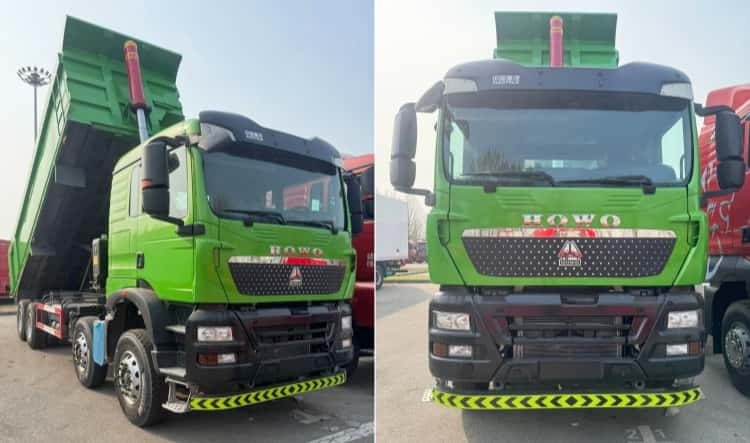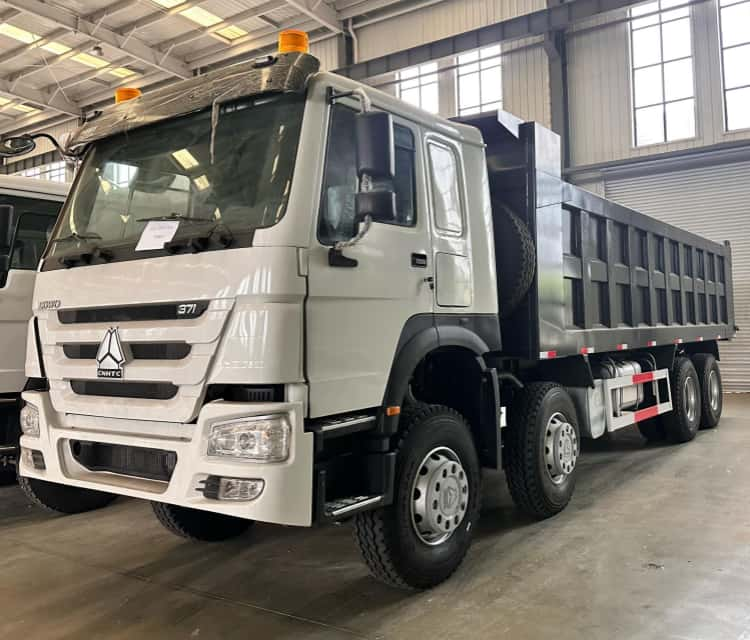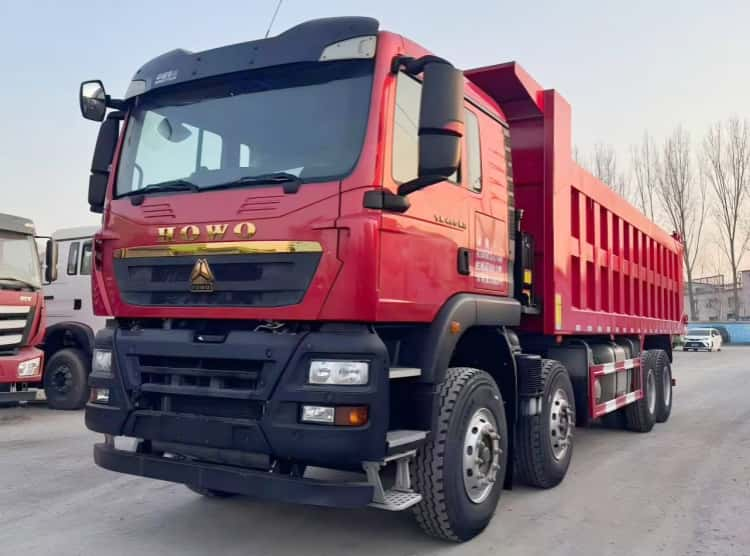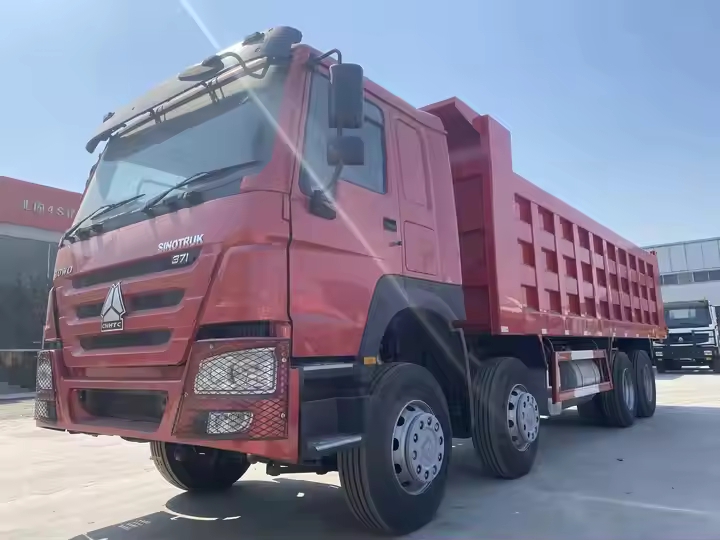
The Guiding Philosophy Behind Truck Reman Lifecycle Reset
Introduce
A reman lifecycle reset is not simply a technical procedure to make a truck run again. It is rooted in a consistent philosophy that shapes every decision, from core intake and inspection to final validation and duty classification. This philosophy separates formal truck reman from quick repairs, component overhauls and surface-only refurbishment.
It does not seek to erase the asset’s service history or pretend a used core is identical to a brand-new unit. Instead, it accepts the reality of accumulated fatigue and existing engineering boundaries, then works within them to unlock predictable, safe second-life value. This mindset forms the shared foundation adopted across the reman ecosystem.
Respect residual margin as the non-negotiable starting truth
At the heart of this philosophy lies one core premise: every load-bearing truck core carries a finite, measurable residual structural margin. Years of hauling, vibration, thermal cycling and stress have already consumed part of its original design capacity.
The philosophy rejects two common market extremes. It refuses to discard a core prematurely when its remaining margin is still sufficient for stable service. Equally, it refuses to ignore irreversible fatigue and patch up a structurally spent core with new parts and paint.
Reman lifecycle reset begins by reading this margin objectively. NDT scanning, dimensional checks and service history review are not optional add-ons. They are the way the ecosystem honours the physical limits of the material. If the margin is exhausted, reman is not the right pathway. If the margin remains viable, the entire rebuild process is engineered to protect that remaining capacity.
Treat the truck as an integrated system, not a pile of separate parts
This philosophy rejects the fragmented “parts-first” mindset that dominates many low-quality rebuilds.
Individual components can be rebuilt or replaced to meet standalone specifications. An engine may hit its rated power on a test bench, new brake calipers may hold pressure, and fresh hydraulic pumps may flow correctly. But a truck is a dynamic network. Power, cooling, braking, driveline vibration and electronic control continuously interact. Mismatched calibration, unbalanced thermal distribution or hidden resonance can emerge only when all subsystems operate together under real load.
The philosophy of truck reman lifecycle reset prioritises system harmony above individual component performance. Every regeneration, renewal and calibration step is planned around how the parts will interact as a whole. Loaded full-vehicle validation is the proof point: the goal is balanced, predictable behaviour of the entire asset, not just passing isolated bench tests.
Draw a clear line between function restoration and lifecycle reset
Many interventions only achieve function restoration. They fix a fault so the truck can operate once more, but they do not quantify remaining life, inspect hidden structural risks, or align all subsystems to a unified baseline. The asset runs, yet its future failure timeline remains unknown.
Formal truck reman ifecycle reset aims for something more deliberate. It establishes a verified, bounded second-life baseline. It answers three critical questions: what usable life remains, under what operating conditions is that life guaranteed, and what evidence supports this conclusion?
This distinction is philosophical, not just semantic. Function restoration is reactive, responding to breakdown. Formal truck reman ifecycle reset is proactive: it redefines the asset’s service window before it returns to operation. It accepts that the asset will have a defined duty envelope, and that operators must work within that envelope to preserve the reset baseline.

Build trust through traceability rather than persuasion
In much of the second-hand asset market, trust is built through presentation, seller guarantees or visual impressions. The philosophy of formal truck reman ifecycle reset rejects this as unreliable.
Trust, in this framework, comes from immutable, asset-linked evidence. Every fatigue assessment, component grading call, machining limit, part specification, calibration adjustment and loaded test result is recorded and tied to the truck’s unique identifier. The full trail is available for neutral independent review by any stakeholder in the ecosystem.
This shifts the burden of proof from subjective persuasion to objective records. It creates a common language for reman practitioners, verification bodies, fleet operators, insurers and financiers. No party needs to rely on belief or marketing claims; they can refer back to the same auditable dataset.
Assign each core to its highest-value circular pathway
This philosophy does not treat formal truck reman as the default destination for every retired truck.
Circular value is maximised when cores are sorted rationally. Some cores are well suited for a full system reman lifecycle reset. Others have intact subassemblies worth harvesting as spare parts. Some have damage so severe that only material recycling makes economic and engineering sense.
Forcing a lifecycle reset on an unsuitable core wastes labour, components and capital. It also harms the reputation of reman by putting unstable assets into service. The philosophy embraces sorting as a core responsibility. It sees formal truck reman as one valuable pathway within the wider circular economy, not a universal fix for every end-of-first-life asset.
Set realistic expectations instead of overpromising
A persistent market myth is that truck reman can return a truck to “like-new” status. This overpromise creates a cycle of disappointment: operators deploy the asset into the same punishing duty cycles reserved for new trucks, rapidly consume residual margin, and face unexpected failures.
The underlying philosophy accepts the inherent difference between a new asset and a reset asset. A reman lifecycle reset stabilises performance and unlocks planned second life, but it cannot recreate the original full factory safety reserve. Duty classification is a natural outcome of this thinking. The approved operating envelope is communicated clearly, so workloads are matched to the asset’s verified capacity.
This honesty protects the long-term credibility of truck reman. It aligns TCO forecasting, depreciation modelling and insurance pricing with physical reality.
Closing thought
The guiding philosophy of truck reman lifecycle reset is built on respect for material limits, system-level thinking, auditable evidence and rational circular value allocation.
It is not about making old trucks look new. It is about measuring what remains, balancing every subsystem to work in harmony, documenting every critical decision, and giving each qualified core a controlled, predictable second life. This philosophy is the quiet foundation that turns reman lifecycle reset from a workshop craft into a trustworthy pillar of the circular ecosystem.