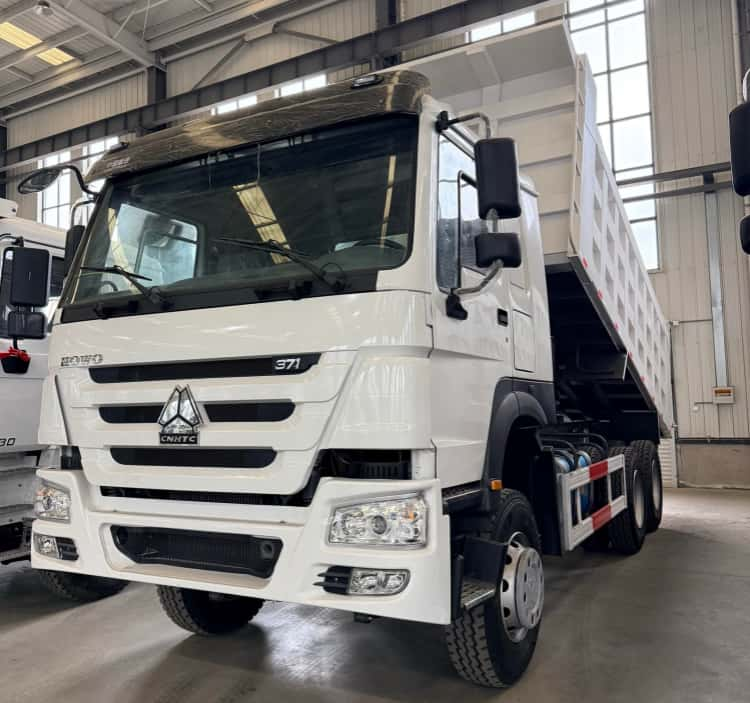
Does Investing in China Reman Truck Reduce Overall Business Operating Costs?
Introduction
For fleet managers, the core question is not just “how much to pay upfront”, but total cost of ownership (TCO). Qualified industrial China reman truck for sale can lower overall operating costs — but only when they meet standardized remanufacturing specifications. If buying low-grade cosmetic refurbishment marketed as reman, operators will face frequent breakdowns, high repair bills and costly downtime, which drives total expenses higher than using new or good used trucks. This article breaks down the cost drivers, savings sources, risk factors and break-even logic.
Direct CAPEX Savings: Lower Upfront Purchase Cost
This is the most immediate financial benefit.
- Certified China reman truck for sale typically cost 40–50% less than brand-new OEM heavy trucks of the same model.
- Compared with premium used trucks in Europe, North America or Australia, China reman truck for sale also carry lower acquisition prices.
- Lower capital expenditure reduces upfront cash outflow, lowers financing principal and interest payments, and preserves working capital for project operations.
- For mid-term construction, mining and infrastructure fleets with 3–5 year project cycles, this CAPEX reduction is the biggest financial advantage.
Important caveat: The discount only delivers value if the truck is built under full industrial reman workflow (full disassembly, NDT, bench testing). Cheap fake reman truck have low purchase price but extremely high follow-up costs.
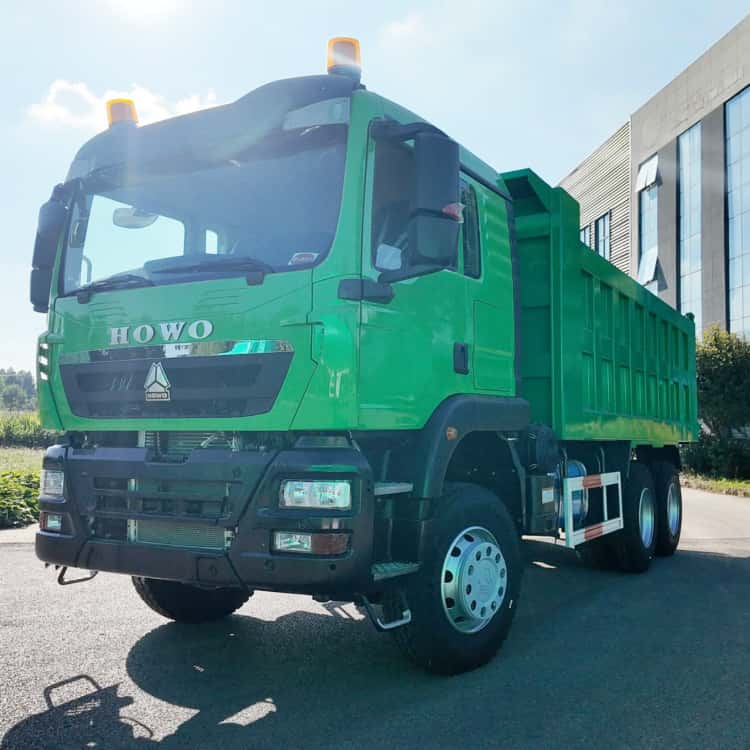
Depreciation Logic: Slower Value Loss Compared to New Trucks
New heavy trucks suffer steep depreciation in the first 1–2 years.
- Certified China reman truck have already passed the sharp initial depreciation phase of the original first lifecycle.
- When purchased, their book value baseline is lower, so annual depreciation expense is much smaller.
- At the end of your project contract, residual value loss is limited. Even after 3–4 years of heavy site operation, the residual value ratio is more stable than a brand-new truck bought for the same project.
- This improves project financial statements and reduces asset write-off risk for fleet companies.
Planned Maintenance & Reduced Unplanned Downtime (Key Long-Term Saving)
Genuine standardized remanufacturing workflow is built to reduce unexpected failure, which is the largest hidden cost for heavy fleets.
- All fatigue consumables (seals, bearings, piston rings, hydraulic hoses) are replaced during standardized remanufacturing workflow.
- NDT screening eliminates hidden frame, crankshaft and weld cracks that cause catastrophic roadside failures.
- Engine, axle and hydraulic assemblies pass bench testing before delivery.
- Maintenance schedules become predictable; fleet teams can schedule service during planned shutdown windows instead of reacting to emergency breakdowns.
- Less unplanned downtime means fewer project delays, less idle labour and less lost revenue from halted material transport.
For mining and construction fleets, one major unplanned breakdown can cost tens of thousands of USD in lost productivity, towing and emergency repair fees.
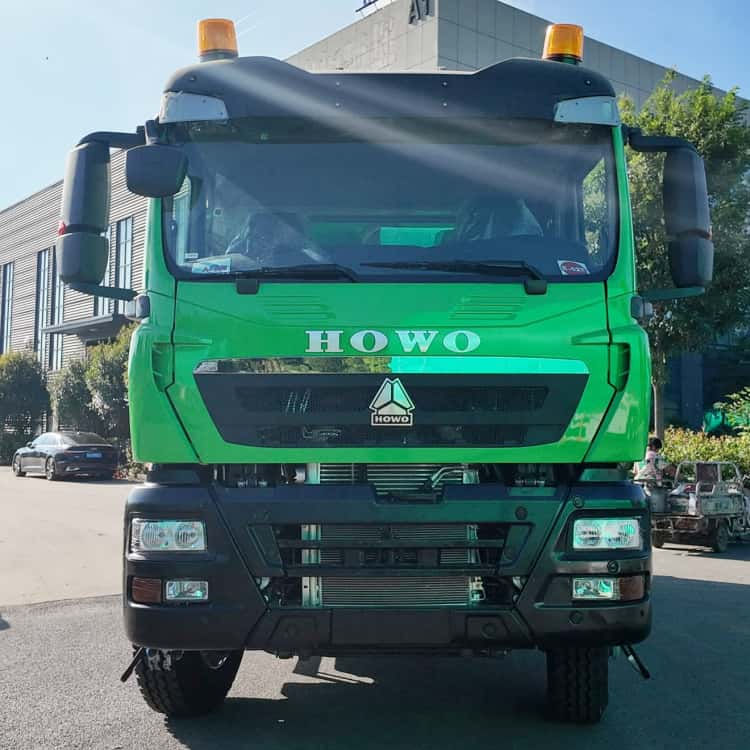
Fuel & Operational Efficiency: Near-New Performance Matches New Trucks
Certified reman engines are rebuilt to OEM power and torque standards and validated by dynamometer testing.
- Fuel consumption is consistent with a new unit of the same model.
- No gradual power degradation seen in old worn used trucks.
- No extra fuel penalty caused by worn piston rings, leaking injectors or degraded turbochargers.
This keeps daily running fuel cost aligned with new trucks, without the high purchase price of new assets.
After-Sales & Spare Parts Cost
China reman truck for sale (HOWO, SHACMAN, Sitrak) have globally widespread aftermarket spare parts networks.
- Component prices are generally cheaper than European or American heavy-duty OEM spare parts.
- When the reman truck comes with formal global warranty, factory covers failures caused by remanufacturing defects for the warranty period.
- standardized remanufacturing traceability records help technicians quickly identify correct replacement parts and shorten repair time.
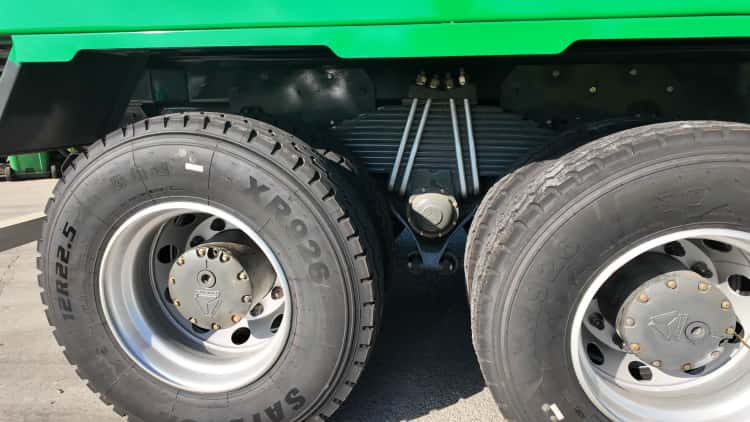
The Critical Risks That Can Destroy Cost Savings
Savings are not automatic. These risks will increase total operating costs if ignored:
- Fake reman / simple refurbishment: No NDT, partial teardown, reused aged seals. Frequent breakdowns, high repair cost and heavy downtime losses.
- Poor supplier warranty: No enforceable global warranty; supplier disappears after shipment. All repair cost falls fully on the fleet.
- Non-compliant emission or safety specs: Fails import inspection or local roadworthiness tests, leading to fines or inability to operate.
- Bad procurement contract: Vague reman definitions, no third-party inspection rights, large upfront payment without quality safeguards.
- Incorrect operating application: Using reman truck in extreme continuous heavy-duty conditions beyond the agreed reman design scope.
Who Gets Maximum Cost Reduction?
- Mid-term project fleets (3–5 year contract cycles: infrastructure, mining, site haulage)
- Fleet owners prioritizing TCO instead of long-term permanent asset ownership
- Buyers with established local maintenance teams familiar with Chinese heavy truck models
- Buyers who perform supplier audit, third-party PSI inspection and enforce full reman documentation package
Who May Not See Cost Benefits?
- Buyers purchasing low-price fake reman without technical verification
- Long-life permanent fleets requiring 8+ years continuous service on single assets
- Operations in remote regions with no local service or spare parts supply for Chinese heavy truck models
Conclusion
Investing in certified China reman truck for sale can reduce overall business operating costs, but only when the assets meet full industrial standardized remanufacturing workflow, with verified NDT, bench testing, complete traceability documents and formal global warranty.
The savings come from lower CAPEX, milder depreciation, predictable maintenance, near-new fuel performance and lower spare parts cost. However, purchasing low-grade refurbished vehicles falsely marketed as standardized remanufacturing will sharply increase downtime and repair expenditure, raising total operating costs far above expectations.
For fleet decision-makers, the key is not just comparing purchase price, but validating reman quality and locking quality obligations into contracts before buying.