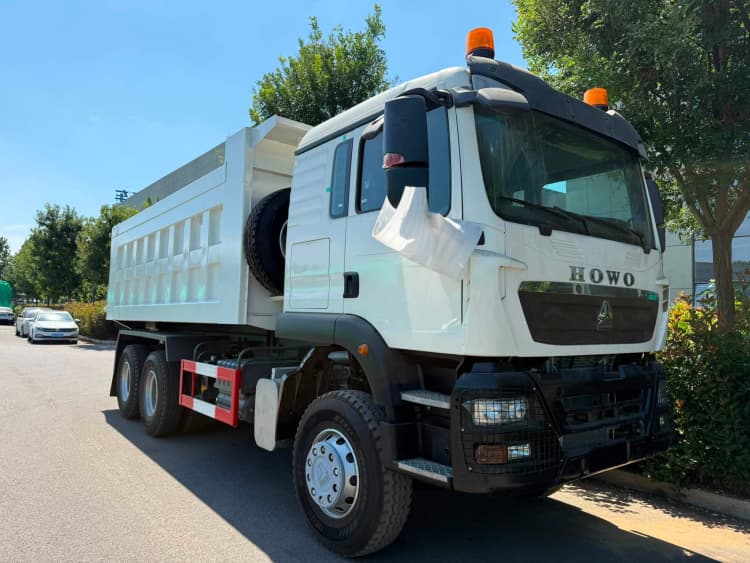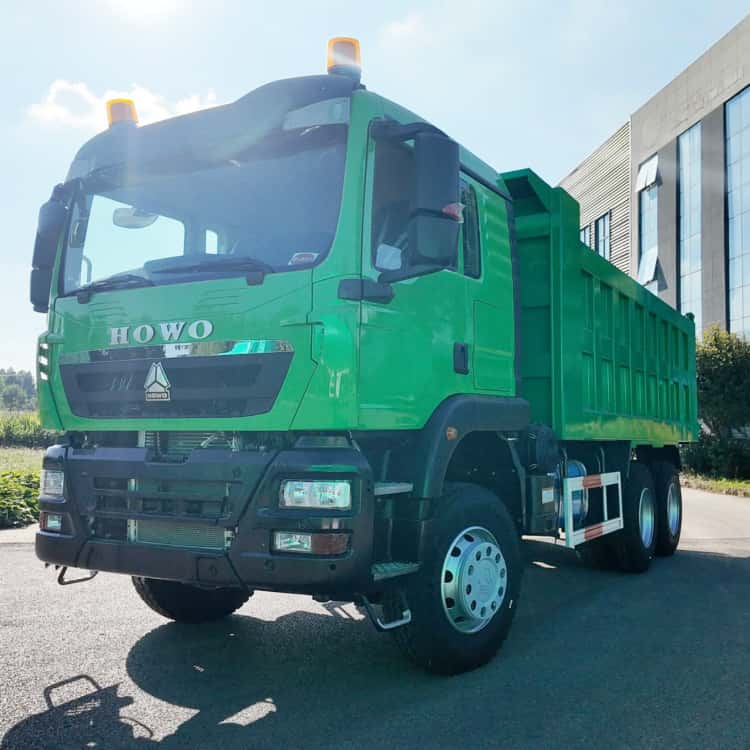
Total Cost Breakdown: Running a Fleet of Certified Reman Trucks for 5 Years
Overview
When fleet managers evaluate heavy-duty vehicle investment, the upfront purchase price is only a small piece of the financial picture. A 5-year operating cycle is a typical planning window for mining, quarry and infrastructure fleets.
Certified reman trucks deliver predictable long-term expenses, unlike used trucks with unpredictable failure costs or brand-new trucks carrying steep depreciation.
This article breaks down every major cost category of running a certified reman trucks fleet over five years, to help buyers calculate accurate total cost of ownership and compare investment returns.
Initial Procurement & Delivery Cost
This is the one-time capital outlay at the start of the fleet project, the baseline for all subsequent TCO calculations.
- Base vehicle cost: The purchase price of certified reman trucks, far lower than equivalent brand-new heavy-duty models.
- Inspection & certification fees: Costs for reman quality audit documents, test reports and compliance certification.
- Logistics & shipping expense: Ocean freight, port handling and inland transportation to the fleet’s operation site.
- Pre-site preparation: Local registration, technical inspection and minor on-site adaptation before putting trucks into service.
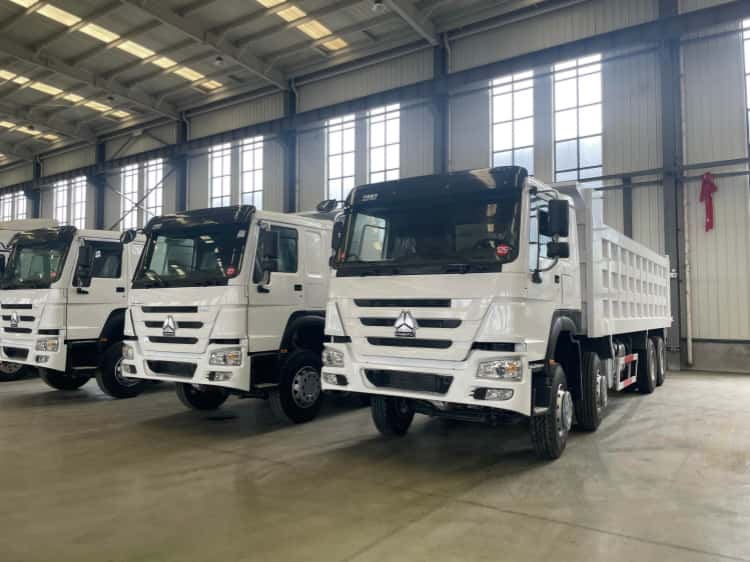
Fuel Cost (Largest Recurring Expense)
Fuel usually accounts for the biggest ongoing operating expense across the whole 5-year lifecycle, closely tied to working conditions, payload and engine condition.
- Fuel consumption baseline: Reman powertrains are rebuilt to restore factory fuel efficiency, avoiding excessive oil burn common in worn second-hand trucks.
- Variable factors: Rough mine roads, heavy continuous loading and low-quality local diesel will push consumption higher.
- Long-term projection: Fuel cost fluctuates with regional market prices; fleet teams should build a price buffer into 5-year budget planning.
Routine Maintenance & Scheduled Parts Replacement
Certified reman trucks come with renewed wear components, so maintenance spending is stable and schedulable rather than full of surprise emergency bills.
- Daily & weekly service: Lubrication, filter replacement, fluid top-ups and routine visual inspections.
- Scheduled part renewal: Brake parts, tires, seals, hoses and suspension pins replaced according to fixed service intervals.
- Workshop labour cost: Wages for in-house fleet mechanics or outsourced service technicians.
- Predictable budget advantage: Standard reman condition reduces random component failures, making 5-year maintenance spending much easier to forecast.
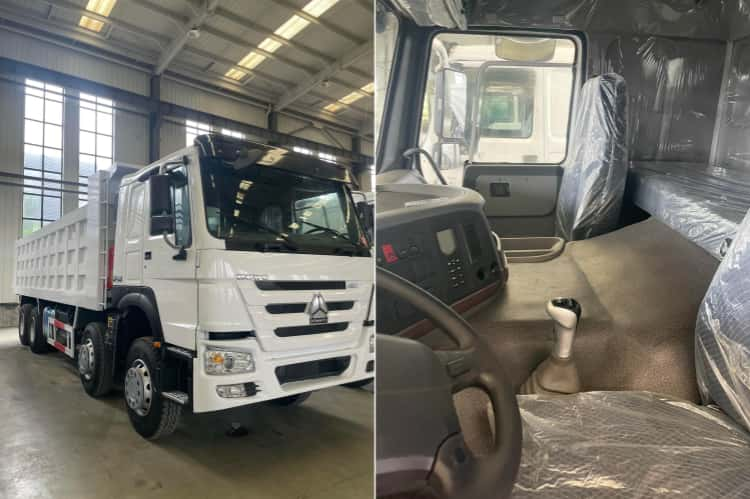
Unplanned Repair & Breakdown Expense
No heavy vehicle can eliminate unexpected faults entirely, but certified reman trucks greatly reduce the frequency of costly major breakdowns.
- Minor emergency repairs: Quick fixes for loose connections, small oil leaks or damaged external components.
- Rare major repairs: In the event of powertrain or hydraulic faults, reman trucks use standard OEM-grade parts which are widely available.
- Compare with low-grade refurbished trucks: Cosmetically renovated vehicles often suffer frequent catastrophic failures that blow the fleet budget.
Downtime & Production Loss (Hidden Fleet Cost)
Downtime is frequently overlooked, yet it can create heavier financial losses than physical repair bills for production-focused fleets.
- Lost haulage output: When a truck stops working, the fleet loses material transport volume and related project revenue.
- Secondary idle cost: Idle drivers, waiting loading equipment and delayed construction or mining schedules.
- Standard Reman advantage: Rigorous pre-delivery testing cuts unplanned downtime, protecting continuous production over the 5-year operation period.
Insurance, Tax & Administrative Overheads
These recurring fixed costs exist throughout the whole operation period and must be included in the 5-year total budget.
- Fleet insurance: Third-party liability and equipment damage insurance, calculated per vehicle annually.
- Local road tax and permit fees: Regional charges for heavy commercial vehicle operation.
- Administrative cost: Fleet management, record keeping, inspection paperwork and compliance management.
Residual Asset Value at the End of 5 Years
Resale value acts as a credit that offsets total expenditure, a key part often missed in simple cost comparisons.
- Stable asset retention: Certified reman trucks maintain clearer service records and traceable reman history, holding higher residual value than ordinary used/refurbished trucks.
- Condition-dependent valuation: Proper routine maintenance preserves more value at the end of the 5-year cycle.
- Asset iteration option: Operators can resell or rework these certified reman trucks when projects finish, recovering part of the initial investment.
Final Takeaway
Adding all categories together, reman fleets show compelling economic advantages over 5 years. The lower upfront investment, controlled maintenance schedules and reduced downtime create stable TCO.
When paired with solid residual value at the end of the cycle, certified reman trucks become a practical financial choice for mining and construction fleet operators. Simple price comparison alone cannot reflect the real long-term expense; a full cost breakdown helps fleets make data-driven procurement decisions.