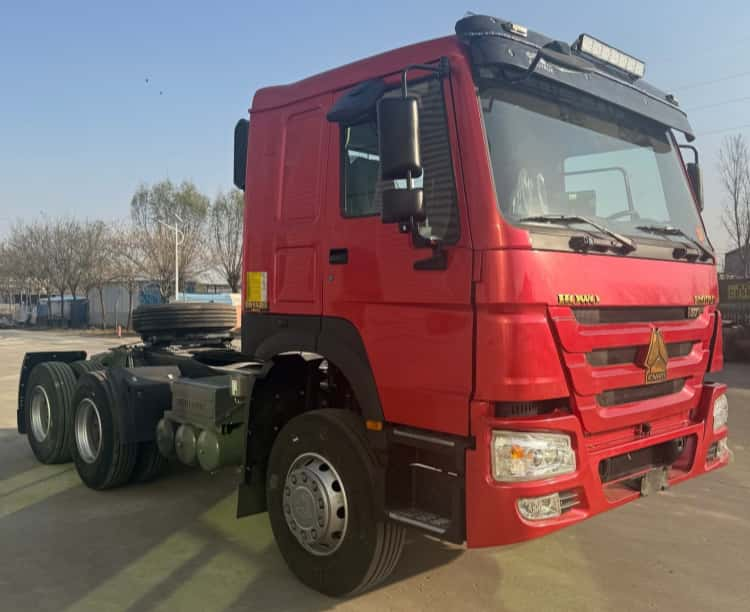
Annual Profit Analysis for Fleets Using Chinese Reman Truck
Introduction
Profitability for haulage, construction and mining fleets depends heavily on asset TCO (total cost of ownership), vehicle availability and revenue per working hour. Certified Chinese reman trucks for sale can improve annual fleet profit, but profit gains are conditional on genuine remanufacturing quality, proper operating conditions and procurement risk control.
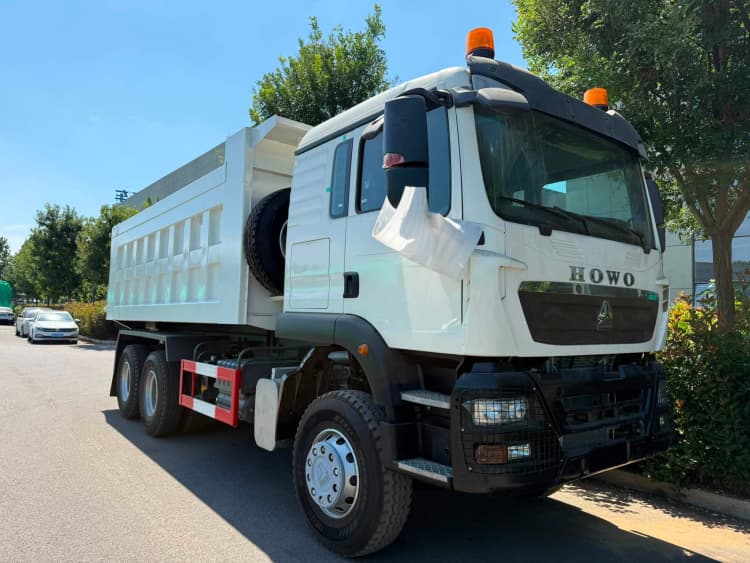
This analysis builds a comparative annual profit model, side-by-side for three asset types: Brand-new heavy truck, ordinary used truck, certified Chinese reman truck for sale. All figures are illustrative for financial modelling, for mid-heavy haulage / tipper fleets working site projects.
Core Modelling Assumptions
Assumptions for a single heavy tipper truck, 300 working days per year, average revenue: $120 / operating hour, 8 working hours per day.
- Annual available working hours: 2400 hrs (if 100% uptime)
- Fuel, toll, driver salary are identical across all three vehicle types (same route, same payload, same driver cost)
- All monetary values in USD, for illustration only. Actual numbers adjust by region, fuel price and project rate.
- CAPEX amortised on straight-line basis over 4-year project lifecycle (typical mid-term infrastructure/mining fleet cycle)
- Maintenance cost includes scheduled service + emergency repair; downtime loss = lost revenue during vehicle breakdown
Annual Revenue (Same for all three vehicles, if full uptime)
Annual maximum revenue = 2400 hrs × $120 = $288,000 per truck/year The difference in profit comes not from revenue potential, but from uptime rate and all ownership costs.
Annual Cost Breakdown & Profit Comparison
Brand-New Heavy Truck
- Purchase CAPEX: $160,000 Annual depreciation: $40,000
- Scheduled maintenance: $12,000/year
- Unplanned maintenance & emergency repair: $3,000/year
- Downtime: 40 hours per year, downtime revenue loss: 40 × 120 = $4,800
- Annual total ownership related cost: $59,800
- Uptime rate: 98.3%
- Net annual profit (after vehicle ownership cost): $228,200
Ordinary Used Truck (Unrebuilt second-hand truck)
- Purchase CAPEX: $70,000 Annual depreciation: $17,500
- Scheduled maintenance: $18,000/year
- Unplanned maintenance & emergency repair: $16,000/year
- Downtime: 220 hours per year, downtime revenue loss: 220 ×120 = $26,400
- Annual total ownership related cost: $77,900
- Uptime rate: 90.8%
- Net annual profit (after vehicle ownership cost): $210,100
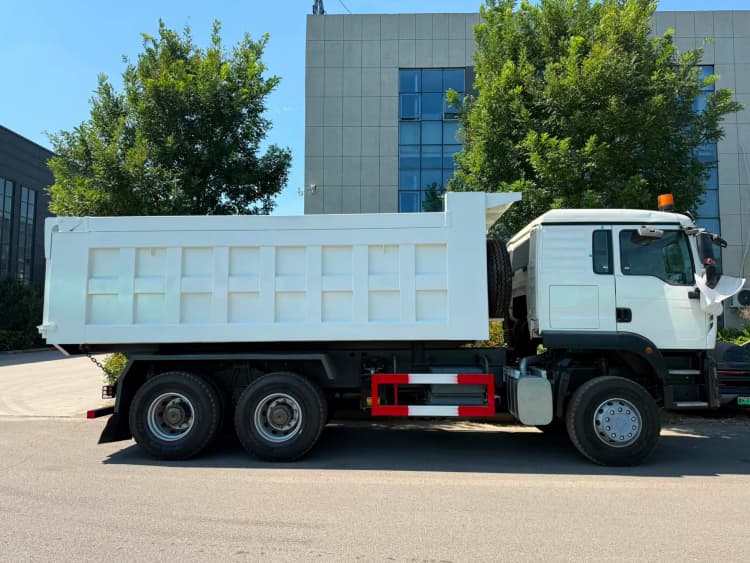
Certified Chinese Reman Truck (Full genuine remanufacturing)
- Purchase CAPEX: $85,000 Annual depreciation: $21,250
- Scheduled maintenance: $14,000/year
- Unplanned maintenance & emergency repair: $5,000/year
- Downtime: 60 hours per year, downtime revenue loss: 60 ×120 = $7,200
- Annual total ownership related cost: $47,450
- Uptime rate: 97.5%
- Net annual profit (after vehicle ownership cost): $240,550
Profit gap: Certified Chinese reman truck for sale delivers $12,350 higher annual profit vs new truck, and $30,450 higher annual profit vs ordinary used truck per unit.
Where the Reman Profit Advantage Comes From?
- Lower depreciation burden than new trucks New trucks carry heavy first-year depreciation. Certified Chinese reman truck already absorbed the steep initial depreciation of the first lifecycle. Annual depreciation expense is much lower, improving P&L and cash flow.
- Controlled unplanned maintenance & lower downtime losses This is the biggest profit driver. Full disassembly, NDT inspection and replacement of all fatigue parts eliminate catastrophic failures. Downtime-related revenue loss is drastically cut compared with ordinary used trucks. For site fleets, downtime loss is the largest hidden profit killer.
- Balanced CAPEX vs reliability Certified Chinese reman truck has only slightly higher purchase price than ordinary used trucks, but delivers uptime nearly matching brand-new trucks. This creates the sweet spot for mid-term project fleets.
- Predictable cash flow Planned maintenance schedule makes budget forecasting easier. Fewer surprise emergency repair bills improve cash flow stability, which is critical for project-based fleet businesses.
Sensitivity Analysis: How Profit Changes If Reman Quality Fails?
The profit advantage disappears quickly if buying fake reman (simple cosmetic refurbishment):
- Fake reman scenario: high breakdown frequency
- Unplanned repair: $22,000/year, downtime: 280 hours
- Total ownership cost jumps to $89,650
- Net annual profit drops to $198,350
Result: Fake reman becomes the worst option, lower profit than both new and used trucks.
Key sensitivity variables:
- Reman quality standard (the most impactful factor)
- Hourly revenue rate of the project
- Local spare parts availability
- Warranty enforceability
- Annual working days and payload weight
Cash Flow Benefit Beyond Accounting Profit
Profit on income statement differs from cash flow:
- Lower upfront CAPEX preserves cash for project mobilisation, fuel and labour payments.
- Less emergency repair spending reduces unexpected cash outflows.
- Stable uptime guarantees steady invoiced revenue stream.
For small-to-medium fleet operators, cash flow benefit can be more valuable than accounting profit.
Key Limitations That Reduce Profit Gain
- Import / customs and transport costs: Cross-border shipping, import duties and inspection fees increase total landed cost and reduce profit margin. These must be included in your financial model.
- Remote locations with poor spare parts supply: Even minor faults become long downtime, eroding profit.
- Wrong application: Continuous heavy 24/7 mining duty beyond reman design life will accelerate wear and raise maintenance cost.
- Warranty risk: Without enforceable global warranty, defects discovered after delivery become fleet’s full expense.
Target Fleet Profiles to Maximize Annual Profit
Best fit:
- Mid-term fixed-term projects (3–5 years)
- Tipper, mixer, haulage fleets with predictable working cycles
- Fleet with local maintenance team familiar with Sinotruk HOWO / Shacman / Sitrak components
- Buyers that implement supplier audit, third-party PSI inspection and full reman documentation validation
Poor fit:
- Permanent long-term fleets requiring 8+ years service life per asset
- Remote sites with no local aftersales support
- Buyers willing to purchase cheap, unvalidated “fake reman”
Conclusion
When sourcing certified industrial Chinese reman trucks for sale, fleets can achieve higher annual net profit than both new trucks and ordinary used trucks. The profit gain comes from moderate depreciation, near-new vehicle uptime and controlled emergency maintenance costs.
However, this profit premium is only valid for fully compliant genuine remanufacturing with NDT, bench testing, traceability records and formal warranty. Purchasing cosmetic refurbishment falsely marketed as genuine remanufacturing will trigger high downtime losses and reduce annual profit below baseline levels.
Fleet financial teams must build landed cost, import fees and spare parts availability into the full profit model before making bulk purchasing decisions.