Verified Reman Truck, Used Truck & New Truck: Upfront Cost & Long-Term Savings Detailed Comparison
In fleet procurement decisions, buyers often only focus on the sticker price and ignore cumulative expenses over years of operation. The real financial gap between verified reman trucks vs used truck vs new truck lies in the combination of upfront cost, maintenance expenditure, downtime losses, depreciation and residual value.
A low purchase price does not guarantee savings, while high initial investment does not always bring stable returns. This article breaks down the cost and saving differences across three vehicle options to help fleet managers make data-driven asset decisions.
Upfront Purchase Cost: Surface Price Difference
Upfront cost is the most intuitive factor for fleet buyers, and the three categories show clear tiered pricing.
- Brand-new heavy trucks carry the highest initial expense, requiring large one-time capital injection. This locks working capital and restricts fleet expansion, especially for mid-sized contractors with limited cash flow.
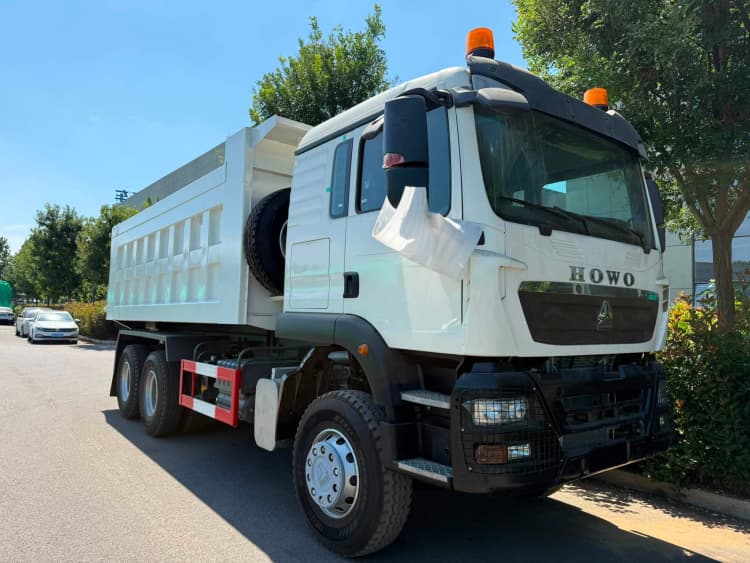
- Ordinary used trucks have the lowest entry price on paper. However, this low cost comes without standardized component inspection or system regeneration. Hidden wear inside engines, axles and hydraulic systems remains undetected at the point of purchase.
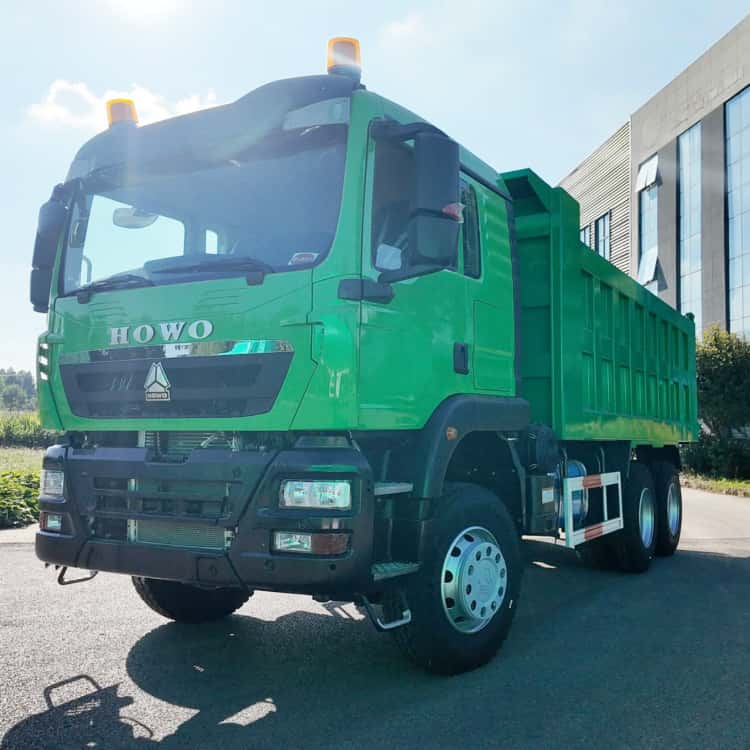
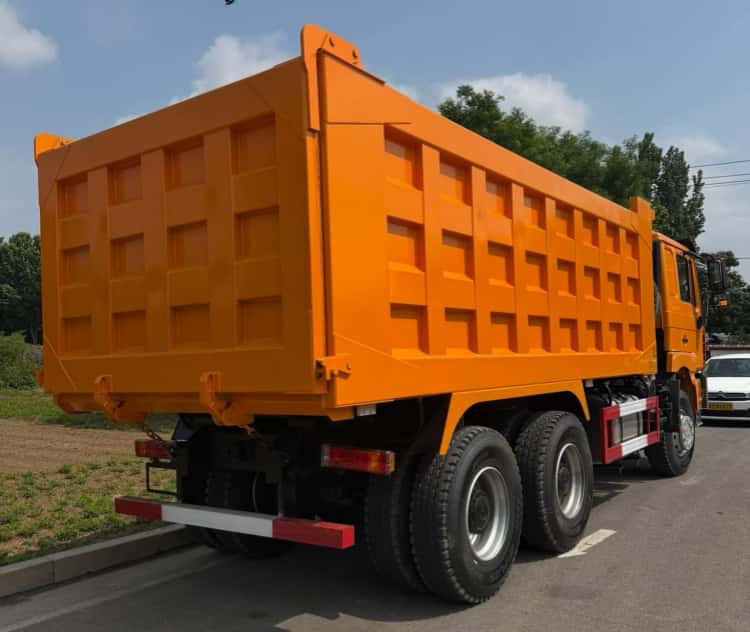
- Verified reman trucks sit in the middle price band. Their upfront cost is far below new trucks, yet higher than basic used trucks. The extra spending covers full disassembly, precision component inspection, part renewal, bench testing and traceable reman certification. Buyers pay for verified quality rather than cosmetic touch-ups.
Maintenance & Repair Expenses Over Operation Cycles
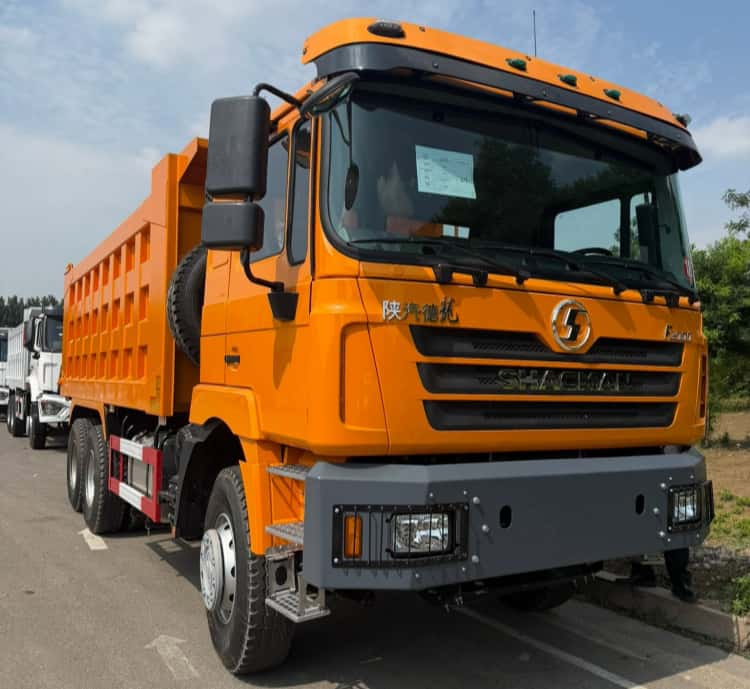
- New trucks enjoy low repair demand in the first 2 to 3 years. Routine service such as oil, filter and tire replacement forms the main maintenance burden. As the vehicle ages, core assembly repairs start to appear, and spare part costs remain high.
- Used trucks generate unpredictable repair bills. Since there is no record of prior heavy loading or accident history, sudden failures of powertrain, braking or hydraulic systems occur frequently. Emergency repairs and rush part delivery create unexpected, hard-to-budget costs that easily outrun the money saved at purchase.
- Verified reman trucks have controlled maintenance spending. All high-wear critical parts are renewed or restored to OEM tolerance before delivery. Maintenance schedules are predictable, and unplanned major breakdowns are greatly reduced. Total maintenance spending over 5 years sits between new trucks and uncertified used trucks, with far fewer surprise repair invoices.
Downtime Cost: The Overlooked Major Expense
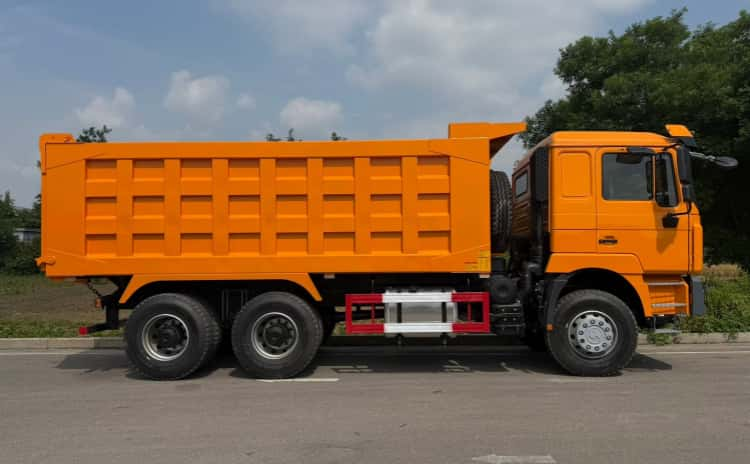
Downtime creates the biggest hidden financial hit for construction and mining fleets. Every idle truck stops material hauling and may trigger project delay penalties or idle labor fees.
- New trucks rarely suffer unexpected breakdowns in early service life. Downtime mainly comes from planned scheduled maintenance, with minimal disruption to project progress.
- Uninspected used trucks face the highest downtime risk. Hidden structural and powertrain defects often surface during heavy shift work. Breakdowns happen without warning, halting site operations and eating into project profits rapidly.
- Verified reman trucks eliminate most latent faults during the industrial reman workflow. Multi-stage bench and functional testing confirms system stability before shipment. Downtime is limited to planned servicing, similar to new trucks, while avoiding the high price tag of brand-new assets.
Depreciation & Residual Value at Asset Exit
- New heavy trucks experience sharp depreciation in the first two operating years. A large portion of asset value disappears immediately once the truck leaves the factory, which heavily impacts total ownership cost when fleets sell or retire vehicles after projects.
- Used trucks have unclear asset history. Without inspection records, buyers in the secondary market discount their value heavily. Many high-mileage used trucks are hard to resell at a reasonable price when fleets finish projects.
- Verified reman trucks absorb the steep initial depreciation of the original chassis. Complete reman logs and quality certification prove vehicle condition. At the end of the service cycle, verified reman trucks retain stronger residual value than undocumented used trucks and deliver better returns during asset liquidation.
Total Cost of Ownership (TCO) Summary
When adding upfront payment, maintenance, downtime losses and depreciation together, TCO tells a different story than simple sticker-price comparison.
- New Trucks: High upfront cost, low early breakdown risk, fast initial depreciation. Best for long-term fleet planning with sufficient capital reserves.
- Used Trucks: Low purchase price, volatile repair costs, high downtime risk, poor residual value. The apparent saving at buying time usually vanishes amid unexpected failures.
- Verified reman trucks: Moderate upfront investment, predictable maintenance, low unplanned downtime, stable residual value. This option delivers the most balanced TCO for mid-term construction and mining projects.
Conclusion
Choosing fleet vehicles should never rely only on upfront price. While used trucks look cheap at first glance, unplanned repairs and downtime can push total spending far higher. New trucks provide stable performance but demand heavy capital and suffer rapid early depreciation. Verified reman trucks bridge this gap, combining controlled initial spending, reliable operational performance and lower full-lifecycle cost, making them a practical choice for global fleets seeking balanced cost and savings.