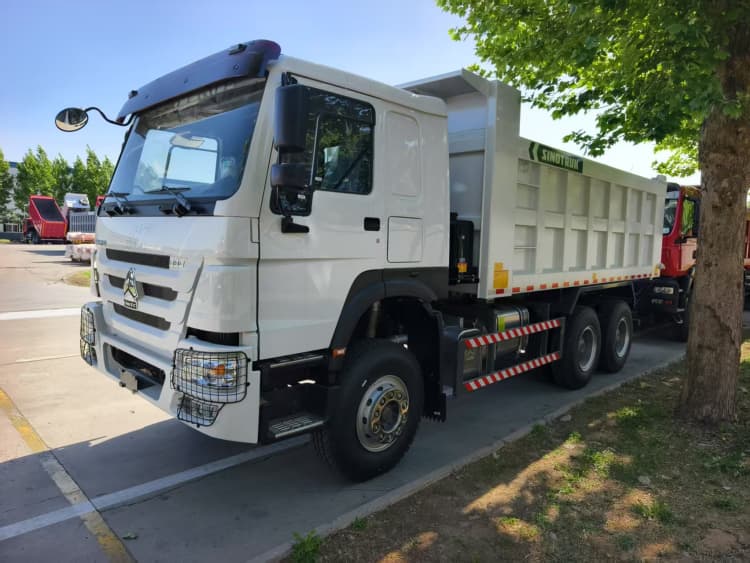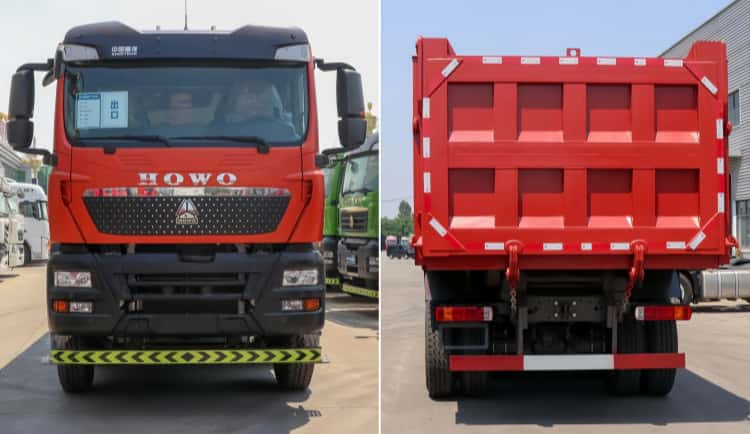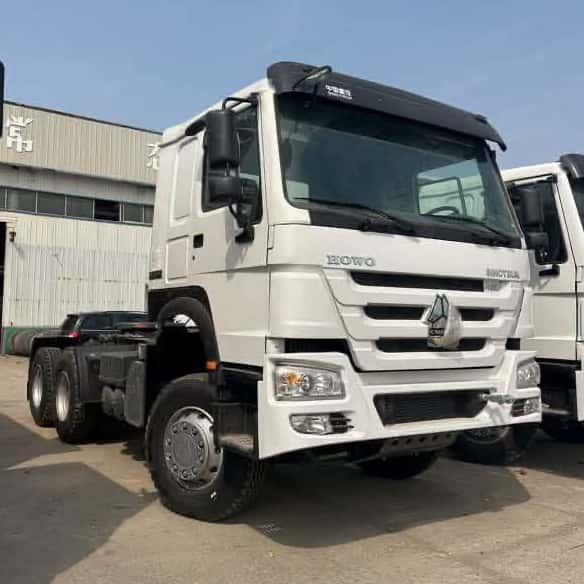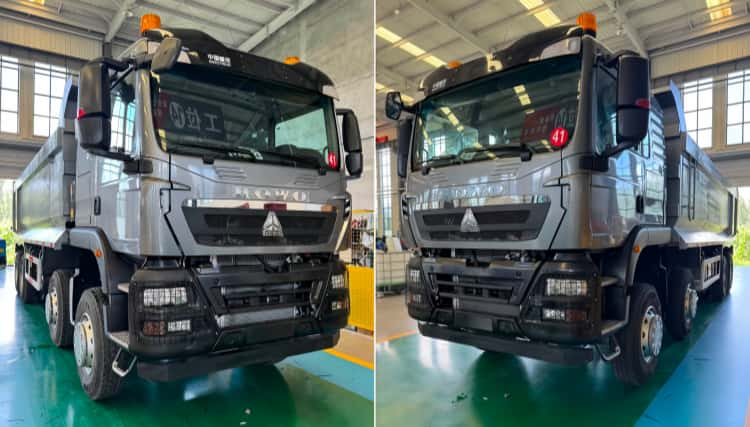
Industrial Reman Workflow: How REMAN ROAD Manufacture Certified Reman Trucks?
Overview
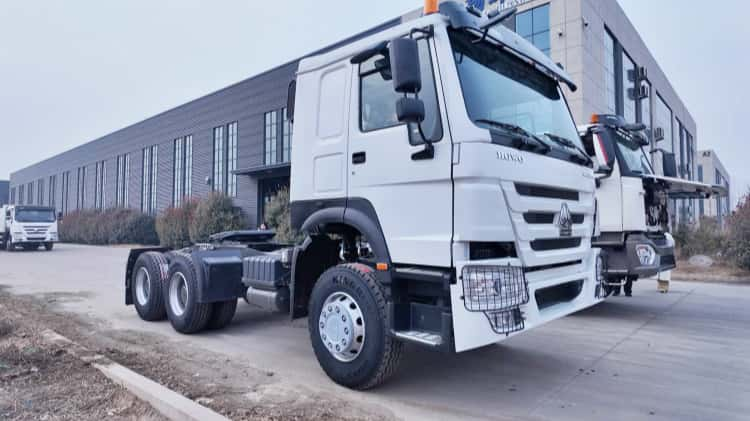
Genuine industrial reman differs greatly from simple cosmetic refurbishment. REMAN ROAD follows a strict, repeatable industrial workflow to turn qualified retired heavy trucks into certified reman trucks.
Every certified reman truck goes through standardized assessment, component regeneration and multi-stage testing, to restore performance to consistent benchmarks. This article walks through the complete production workflow of REMAN ROAD certified reman trucks.
Core Vehicle Screening & Initial Evaluation
Not every used heavy truck is eligible for remanufacturing. The first step is rigorous screening to select vehicles with intact basic structure and qualified core frames.
- Frame integrity inspection: Carry out visual check and non-destructive testing to rule out trucks with serious frame cracks, permanent deformation or major collision damage.
- Service history review: Verify previous working conditions, overload records and accident logs to filter out units with irreversible structural fatigue.
- Basic performance assessment: Run preliminary tests on powertrain, braking and hydraulic systems to judge reman feasibility. Unqualified chassis will be rejected directly.
Full Disassembly & Systematic Cleaning
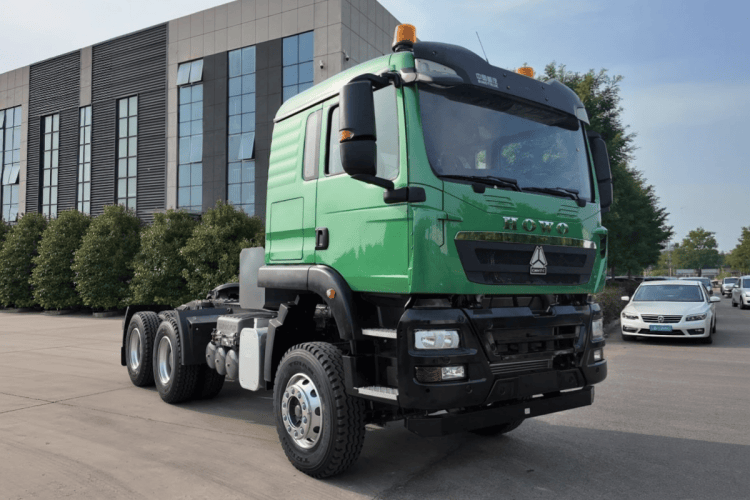
All assemblies are completely taken apart, instead of partial disassembly used in common refurbishment. Thorough cleaning removes dust, grease and old corrosion for accurate component inspection.
- Full stripping: Dismantle engine, gearbox, axles, suspension, hydraulic cylinders, wiring harness and cab from the chassis.
- High-pressure industrial cleaning: Remove oil sludge, rust and mineral sediment from every metal part.
- Component sorting: Separate cleaned parts into three categories: reusable qualified components, repairable parts, and parts to be replaced with new OEM-grade spares.
Component Inspection, Testing & Grading
This is the key stage to guarantee certified reman truck quality. Each disassembled part gets precise measurement and testing to judge whether it meets reuse standards.
- Dimensional measurement: Check wear, tolerance and deformation of crankshaft, cylinder block, gear and axle housing.
- Material & fatigue testing: Apply NDT inspection to detect invisible cracks and metal fatigue on load-bearing components.
- Quality grading: Parts passing testing can enter regeneration processing; parts exceeding wear limits will be scrapped and replaced.
Component Regeneration or Replacement
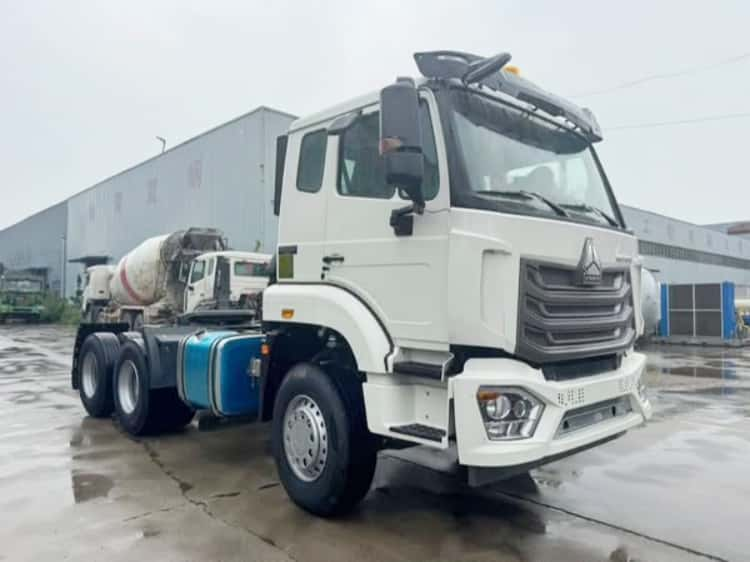
Qualified reusable components are precisely repaired, while vulnerable and overworn components are fully renewed to meet standard specifications.
- Precision regeneration: Repair qualified metal parts by machining, grinding and surface reinforcement to recover original size and performance.
- Full replacement of consumables: All seals, bearings, gaskets, brake linings and rubber hoses are replaced with brand-new OEM-grade parts.
- Powertrain rebuilding: Assemble regenerated engine and transmission components strictly following standard assembly torque and clearance parameters.
Chassis Reassembly & System Integration
After component regeneration, each sub-assembly is mounted back onto the chassis in standardized sequence, with strict torque control for all fasteners.
- Chassis corrosion protection: Apply professional anti-rust coating on frame and undercarriage before reassembly.
- Step-by-step assembly: Install rebuilt axles, suspension, steering, braking and hydraulic systems sequentially.
- Wiring and cab fitting: Renew aging wiring harness, reassemble cab and install upgraded filtration and cooling components for harsh working environments.
Bench Testing & Full Vehicle Load Test
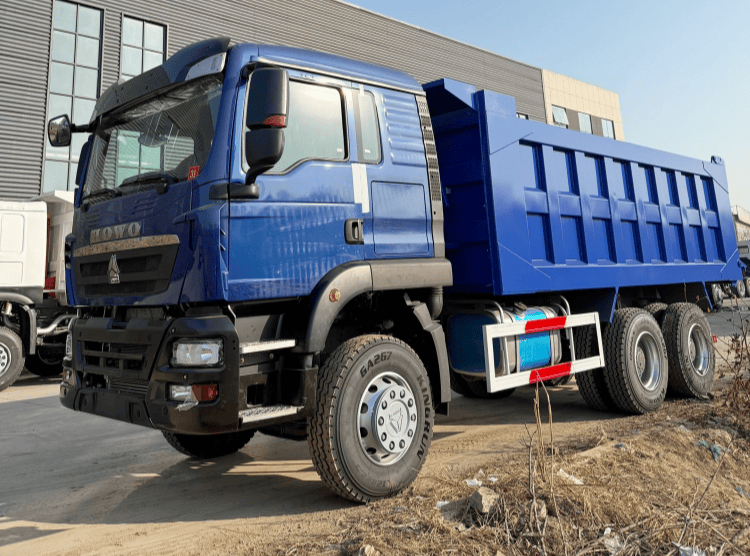
No reman truck leaves the workshop without multi-layer functional testing to verify overall performance.
- Sub-assembly bench test: Test rebuilt engine, gearbox and hydraulic cylinders independently on test benches.
- Static full vehicle inspection: Check fluid sealing, electrical circuits, brake air tightness and hydraulic lifting function.
- Dynamic road load test: Run the truck under loaded conditions to test power output, climbing performance, braking stability and vibration.
Final Quality Audit, Documentation & Delivery
The final audit confirms the whole vehicle meets REMAN ROAD industrial reman standards, with complete records provided for fleet buyers.
- Final visual and functional audit: Recheck all systems and fasteners, finish body paint and anti-corrosion treatment.
- Generate full reman file: Compile inspection reports, component records and test data for traceability.
- Pre-delivery handover: Confirm vehicle status and hand over certified documentation before shipment to global fleet customers.
Final Takeaway
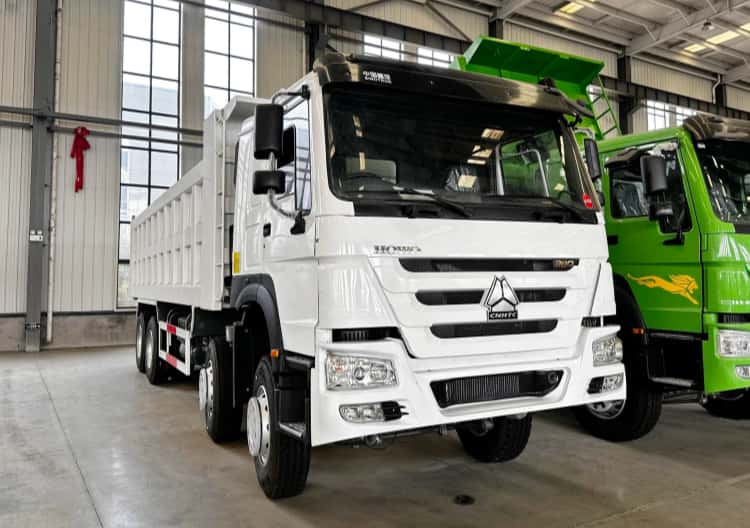
REMAn ROAD’s industrial reman workflow is built on standardized, traceable processes rather than casual repairs. From initial chassis screening to final load testing, every stage is controlled to ensure consistent quality of certified reman trucks.
This systematic process distinguishes genuine remanufacturing from superficial refurbishment, delivering stable, cost-effective heavy-duty assets for global mining, construction and transport fleets.