
ROI Calculation: Heavy Duty Reman Trucks vs Brand New Heavy Trucks
Introduction
Return on Investment (ROI) is the core metric for global fleet asset procurement. Many fleet operators automatically assume brand-new heavy trucks deliver the best long-term returns, without running a full financial comparison against certified heavy duty reman trucks.
While new trucks offer factory warranty, they carry steep upfront costs and rapid early depreciation. Standardized heavy duty reman trucks cut initial capital outlay while maintaining reliable operational performance.
This article breaks down the key variables of ROI calculation, compares reman and new heavy trucks side by side, and helps fleet buyers evaluate asset returns with quantifiable financial logic.
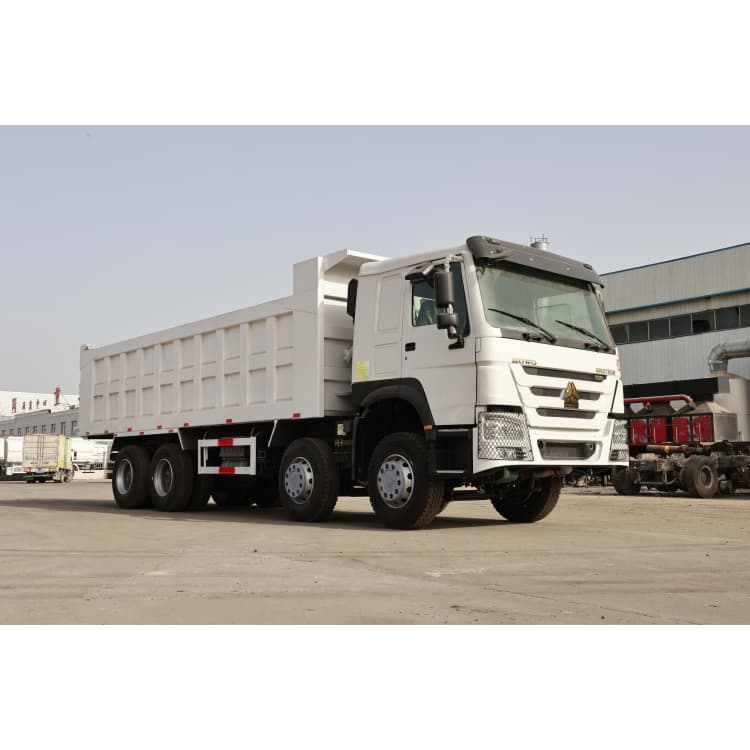
Core Components of Fleet ROI for Heavy Assets
ROI for heavy-duty fleet vehicles is not calculated based only on purchase price. It integrates multiple financial factors over the asset’s service cycle:
- Initial capital expenditure: the total cash outlay at the time of procurement
- Annual depreciation rate: the speed of asset value loss year over year
- Routine maintenance & repair costs: scheduled service and unexpected breakdown expenses
- Downtime-related losses: lost revenue, labor idle fees and contract penalties caused by vehicle failure
- Fuel and operational running costs
- Residual value: the asset’s resale value at the end of holding period
Every item above directly impacts the final ROI result. A seemingly low-cost vehicle can produce poor ROI if it suffers frequent breakdowns and heavy downtime losses.
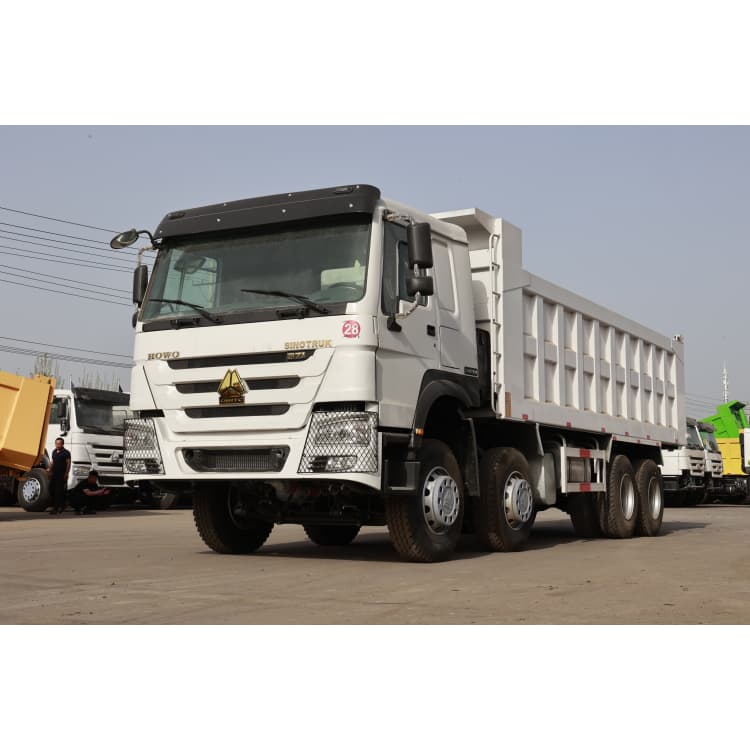
Upfront Capital Expenditure Comparison
Brand-new heavy trucks require substantial one-time capital investment. Large sums of capital are locked into fixed assets immediately, which puts pressure on fleet cash flow and limits the budget for expanding fleet scale.
Certified reman trucks greatly reduce initial procurement expenditure. The saved capital can be reinvested into more working vehicles, project operation, spare parts inventory or business expansion. With the same budget, fleets can deploy more operational assets and generate more annual revenue, laying a solid foundation for higher ROI.
Depreciation Impact on ROI
New heavy trucks experience the sharpest depreciation within the first 2 to 3 years after delivery. A large portion of the purchase value vanishes once the vehicle leaves the factory, which heavily drags down ROI.
Certified heavy duty reman trucks for sale skip this rapid depreciation phase. The base unit has already completed its steep value drop before remanufacturing. After standardized regeneration, asset value declines slowly and predictably.
When the fleet retires or resells the vehicle, heavy duty reman trucks retain healthier residual value, reducing total net loss over ownership and lifting long-term ROI.
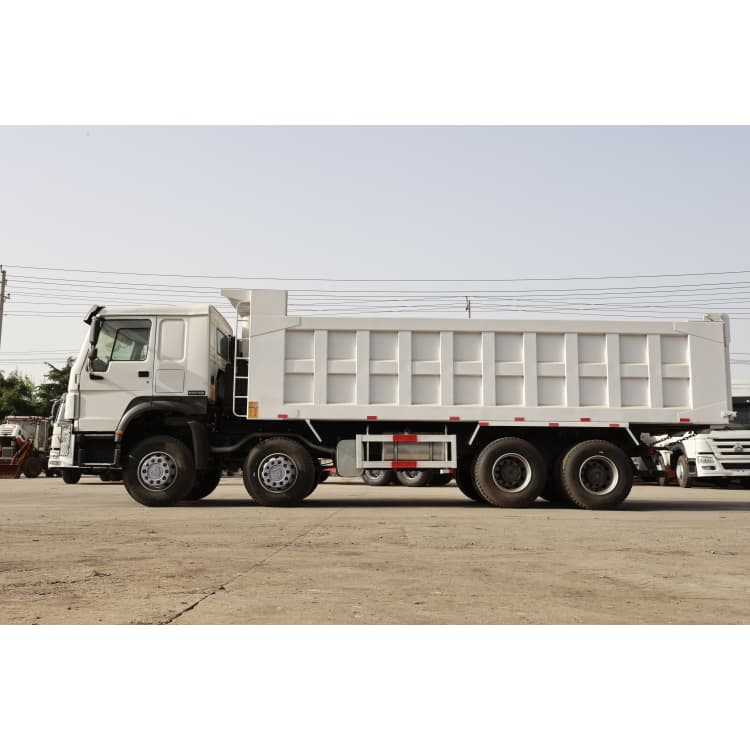
Maintenance, Repair and Downtime Cost Comparison
Brand-new trucks enjoy factory warranty coverage for the first few years. After the warranty expires, repair and spare part costs remain high due to OEM original part pricing. During the warranty period, failures are relatively rare, but any breakdown still triggers operational downtime.
Genuine heavy duty reman trucks for sale follow strict industrial reman standards. All high-risk consumable components are mandatorily renewed in the reman process. Pre-existing hidden structural and mechanical faults are fully eliminated before delivery.
The vehicles pass multi-stage load and safety testing. While heavy duty reman trucks do not come with a full factory new-vehicle warranty, their failure frequency remains stable and predictable.
Planned maintenance can be scheduled in advance, drastically cutting unplanned downtime and its associated financial losses, which is a major driver of positive ROI for construction and mining fleets.
Side-by-Side ROI Logic & Calculation Example Framework
When calculating ROI, the core formula for fleet heavy assets:
- Total Net Return = Total operating revenue generated − Full-lifecycle total cost of ownership ROI = Total Net Return / Total Capital Invested
A simplified case: For a fleet holding the vehicle for 5 years.
- New truck: High upfront cost, fast depreciation, low failure rate during warranty, high residual value loss. The large initial investment lowers the ROI percentage.
- Certified reman truck: Low initial capital cost, gentle depreciation, predictable maintenance, minimal unplanned downtime. The smaller capital base often yields a higher ROI percentage over the same service cycle.
The gap becomes more obvious for fleets with medium-term asset rotation cycles, such as mining and construction projects with 3–6 year plans.
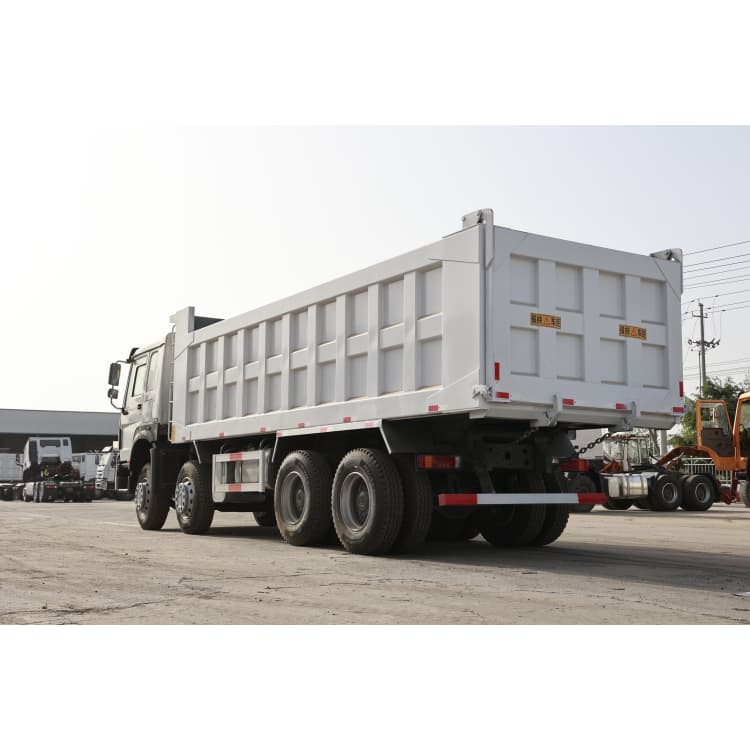
Key Caveats That Change Final ROI
ROI results are not fixed numbers. Several factors will shift the outcome:
- Project working intensity: Harsh heavy-load conditions raise the importance of stable uptime
- Fleet holding period: Longer holding periods narrow part of the depreciation gap between new and reman trucks
- Supplier reman standard quality: Only fully certified reman trucks deliver the projected ROI; cosmetic refurbished units will destroy returns
- Local financing rates and tax policies for heavy assets
Fleet buyers should plug their own site-specific data into the formula instead of relying on generic assumptions.
Conclusion
ROI comparison reveals that brand-new heavy trucks are not always the highest-return fleet asset option. Certified reman trucks reduce upfront capital pressure, slow depreciation, and control unplanned downtime losses.
For most global construction, mining and transport fleets, heavy duty reman trucks for sale can deliver superior ROI within medium asset holding cycles. Running a customized ROI calculation with real operational data helps fleet leaders make objective, data-backed procurement decisions, rather than relying on the stereotype that new vehicles equal better investment.