Heavy Reman Trucks Buying Guide: Differences Between Reman, Used & Brand-New Trucks
Overview
Fleet buyers face three mainstream heavy truck procurement options: brand-new trucks, ordinary used trucks, and heavy reman trucks. On the surface, they all deliver hauling capacity, yet huge gaps exist in manufacturing standards, failure risks, maintenance needs and total cost of ownership.
Many fleet operators suffer financial losses by only comparing sticker prices. This buying guide clarifies their core distinctions to help global mining and construction fleets make informed procurement decisions.
Core Definition & Production Standard
The fundamental difference lies in the processing standard each vehicle undergoes, which decides its baseline quality.
- Brand-new trucks: Manufactured from raw materials and brand-new components in OEM factories, following original production specifications. Zero prior operation history, full factory warranty.
- Used trucks: Pre-owned vehicles sold directly without systematic component overhaul. Their condition fully depends on previous operating loads, maintenance habits and accident history, with no unified quality standard.
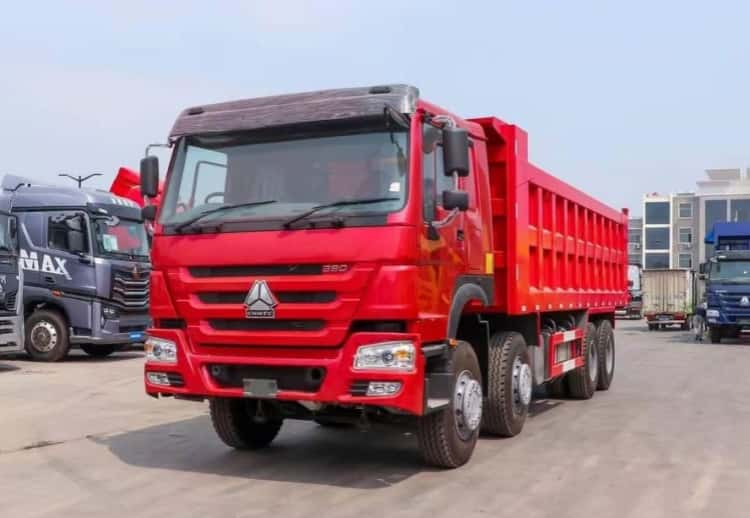
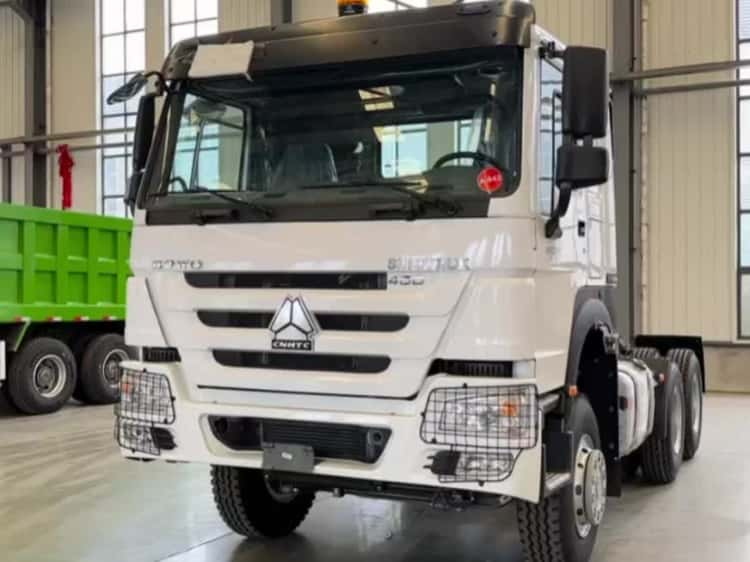
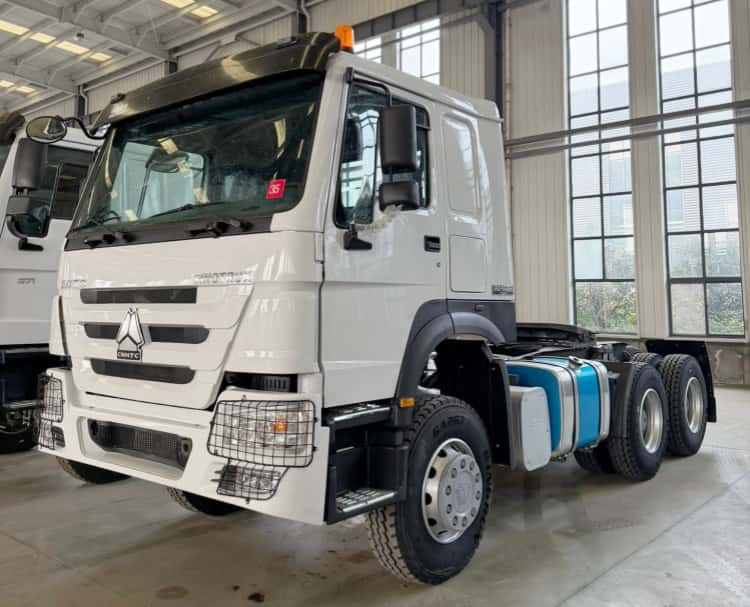
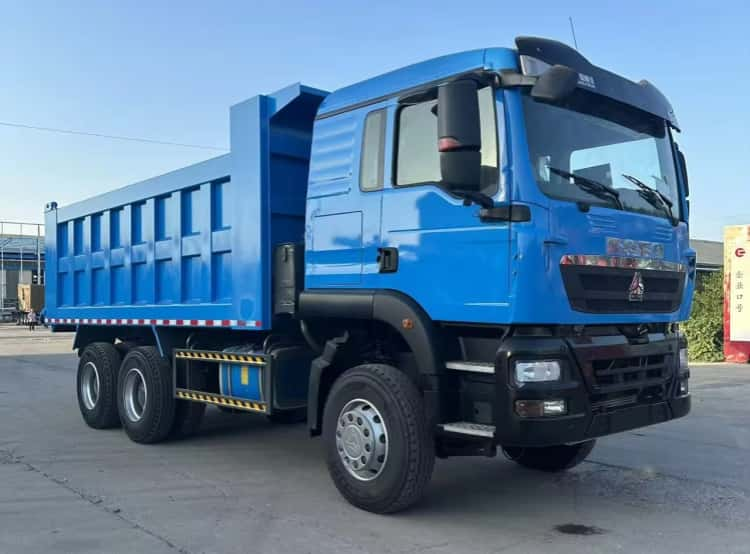
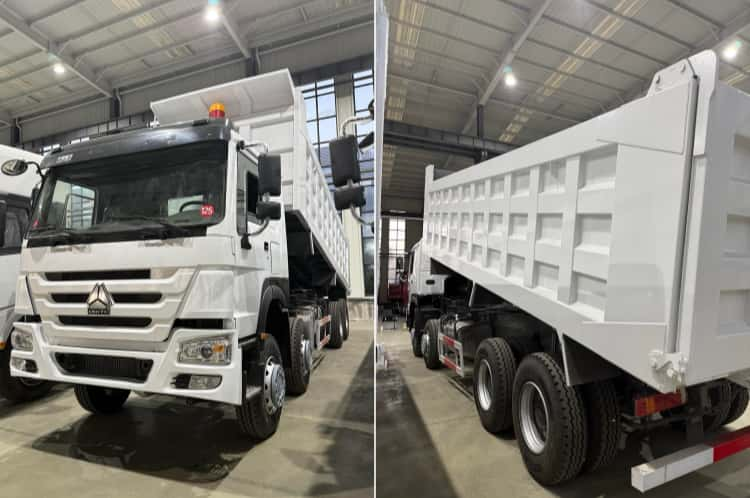
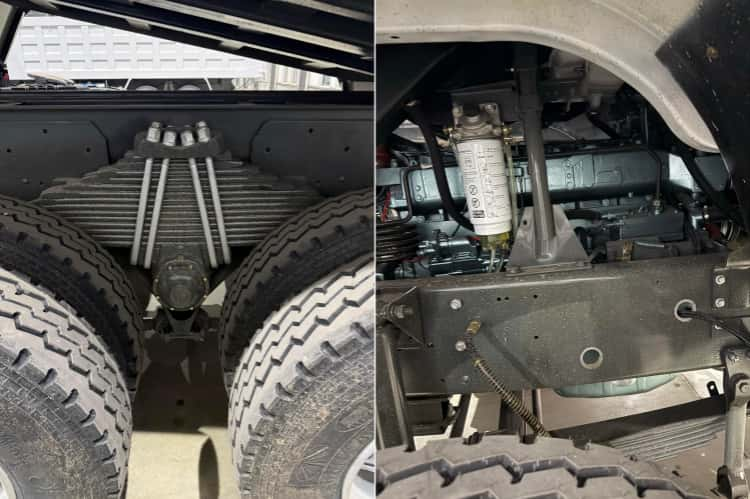
- Heavy reman trucks: Built under industrial remanufacturing workflows. Eligible retired chassis are fully disassembled, inspected, regenerated and reassembled. Worn consumables are replaced with OEM-grade parts, and performance is restored to standardized benchmarks, far beyond simple repair or repainting.
Upfront Procurement Cost
Initial purchase price is usually buyers’ first consideration, though it cannot represent the total long-term expense.
- Brand-new trucks: Highest capital outlay. Large one-time investment puts heavy pressure on fleet budgets, and they suffer sharp depreciation once put into operation.
- Used trucks: Lowest entry price. But the low cost comes with unknown hidden defects; hidden repair costs often emerge soon after purchase.
- Heavy reman trucks: Mid-range procurement cost. Much cheaper than new trucks, and the price includes standardized inspection and part renewal, avoiding unexpected hidden repair costs of ordinary used vehicles.
Reliability & Failure Risk
Unplanned breakdowns cause costly production downtime, which is one of the most critical metrics for heavy-duty fleets.
- Brand-new trucks: Extremely low failure rate in early service life. Failures are mostly minor quality defects covered by factory warranty.
- Used trucks: Unpredictable risk. Internal wear cannot be judged from appearance. Major faults of powertrain, chassis or hydraulic systems may occur suddenly during heavy-load operation.
- Heavy reman trucks for sale: Controlled and predictable reliability. Critical components pass non-destructive testing before reassembly, and full vehicle load tests are completed before delivery. Random catastrophic failures are greatly reduced.
Maintenance Requirements & Parts
Different vehicle types vary in maintenance frequency, cost and parts availability for global field fleets.
- Brand-new trucks: Only routine scheduled maintenance required in the warranty period. Parts are original OEM products, yet expensive.
- Used trucks: High uncertainty. Old components wear unevenly, leading to frequent emergency repairs. Some aged parts may be hard to source locally.
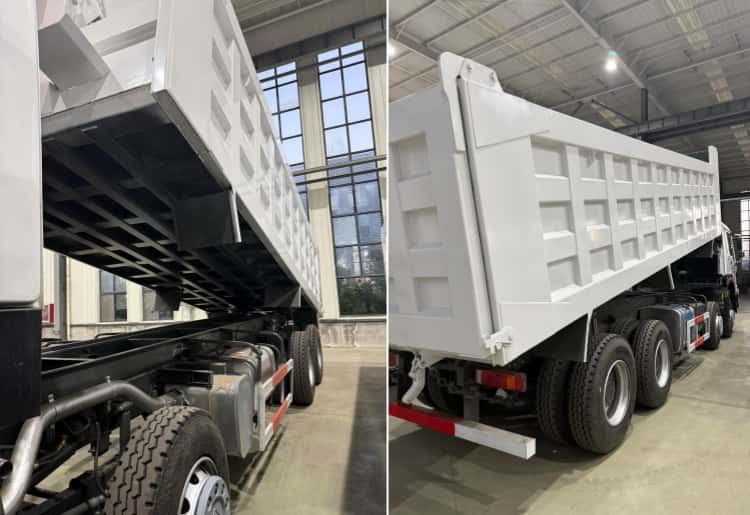
- Heavy reman trucks: Regular, schedulable maintenance. All vulnerable parts are renewed during industrial remanufacturing workflow. It uses widely common heavy-duty parts, easy to source in mining and construction regions.
Depreciation & Residual Value
Asset residual value directly affects the real TCO when fleets retire or resell vehicles after several years of operation.
- Brand-new trucks: Fast depreciation in the first 2–3 years. A large portion of asset value disappears immediately after delivery.
- Used trucks: Depreciation curve is unstable. Severe hidden defects will lead to a steep drop in resale value when selling.
- Certified reman trucks: Gentle and stable depreciation. Complete reman inspection records make asset status traceable, retaining higher residual value than ordinary used trucks.
Full-Lifecycle Total Cost of Ownership
TCO covers purchase, fuel, maintenance, downtime loss and residual value, the core metric for professional fleet investment.
- Brand-new trucks: High TCO. The huge upfront cost and rapid depreciation offset the benefit of low early failure risk.
- Used trucks: Deceptive low TCO on paper. Unplanned repairs and downtime losses often push total expenditure far above the budget.
- Certified reman trucks: Optimized overall TCO. Balanced initial spending, stable maintenance and minimized downtime create the best return for most mid-to-long term fleet projects.
Final Takeaway
Brand-new, used and heavy reman trucks serve different fleet strategies. New trucks suit fleets with abundant capital and long stable projects. Ordinary used trucks carry unquantifiable operational risks.
REMAN ROAD Heavy reman trucks for sale offer a balanced solution: standardized quality, moderate investment and controlled full-lifecycle cost. For most mining, quarry and construction fleets, heavy reman trucks for sale deliver the best trade-off between budget and reliable hauling capacity.