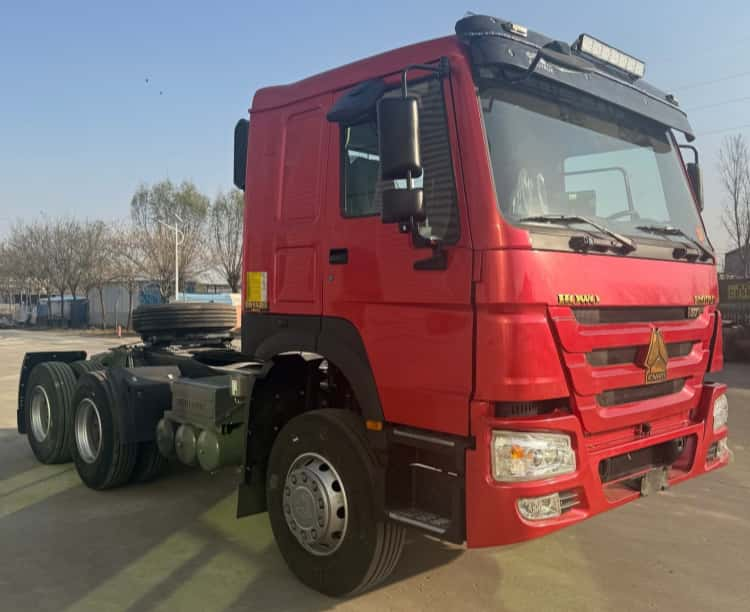
The Commercial Protection Reman Truk Provides Against Sudden Spikes In New Truck Pricing
Introduction
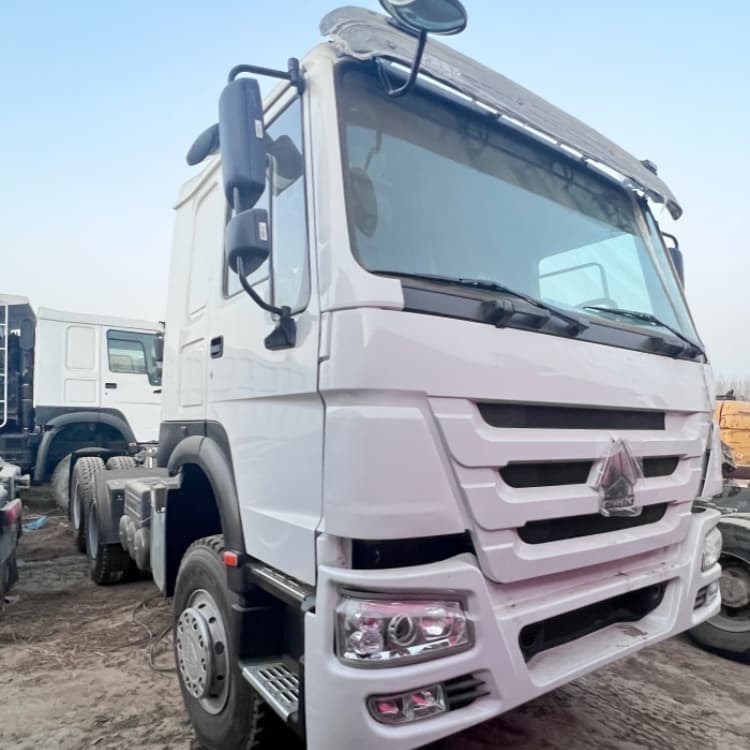
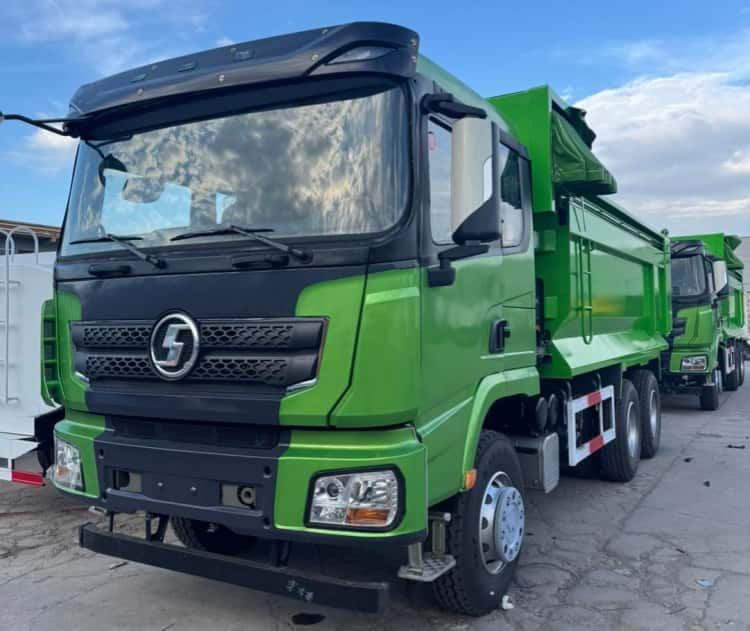
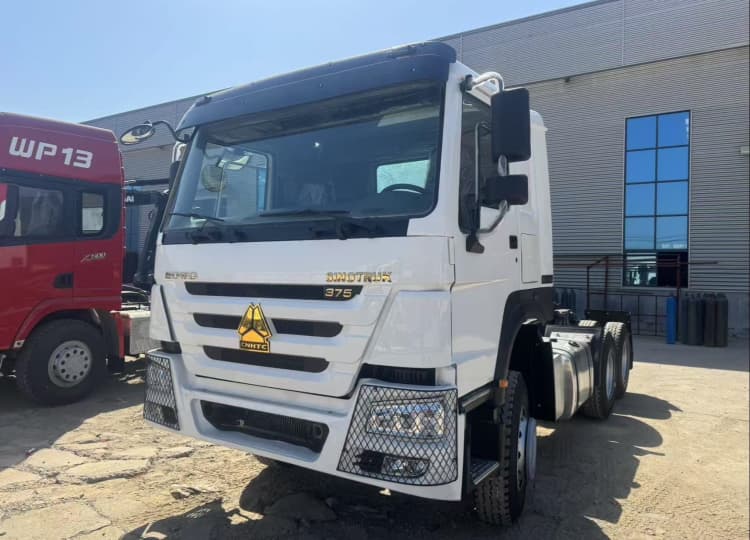
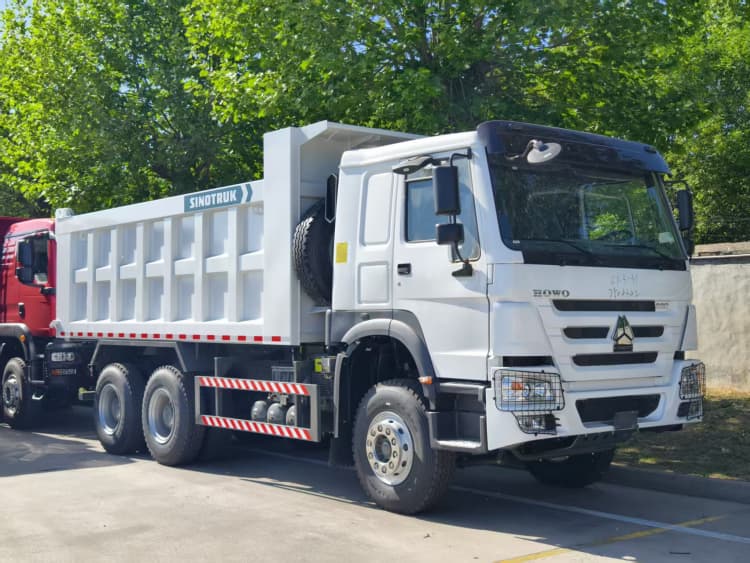
New heavy truck pricing is vulnerable to volatile supply chains, steel and component shortages, currency swings and import tariff adjustments. When prices spike suddenly, fleets face a hard choice: absorb inflated capital costs, delay capacity expansion, or pass price hikes to clients and risk losing haul contracts. REMAN ROAD reman truk offer structured commercial protection, decoupling a large share of fleet capacity planning from the volatile new-truck market cycle.
Reman Pricing Follows A Separate, More Stable Cost Curve
New truck prices are driven by raw material costs, semiconductor supply, OEM factory lead times and global freight rates. Certified reman truk pricing is anchored to core sourcing, machining, component replacement and benchmarked testing workflows.
While certified reman truk costs still shift moderately, they do not track the same steep inflation spikes that hit new finished vehicles. This creates a predictable pricing alternative, letting procurement lock in budgeted capacity without being exposed to sudden quote increases.
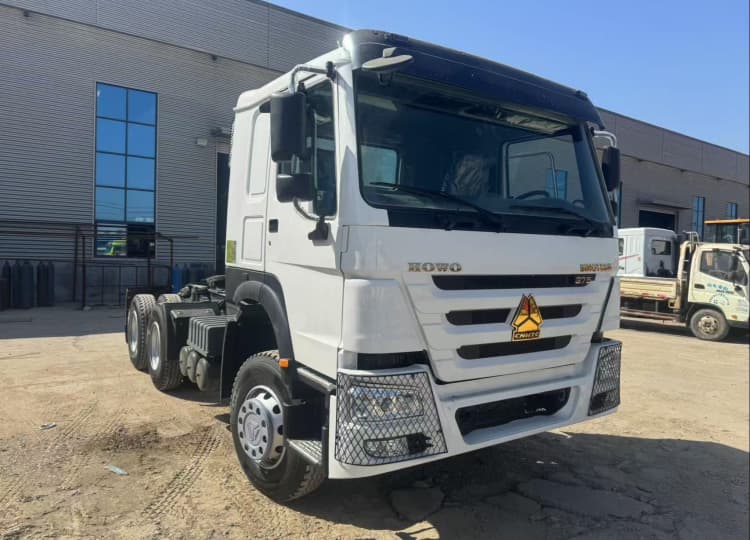
Avoid Forced Capital Expenditure At Peak Market Rates
Fleets often need to add trucks to fulfil multi-year haul or construction contracts. If new truck prices surge mid-contract, buying new erodes pre-agreed margins. REMAN ROAD reman truk deliver compliant, duty-validated capacity at a lower capital threshold.
Operators can meet fleet expansion targets without being forced to execute high-CapEx purchases at the worst point in the pricing cycle. This protects contract profitability and preserves working capital.
Shorter Lead Times Remove Exposure To Extended Price Lock-In
During new-truck supply crunches, lead times stretch for months, and many OEMs reserve the right to adjust pricing before delivery. That leaves fleets exposed to price increases between order placement and handover.
REMAN ROAD reman truk’s pre-qualified core bank and standardised build gates shorten lead times significantly. Orders are fulfilled faster, with pricing fixed at the point of contract, eliminating the risk of mid-order price escalation common in new truck procurement.
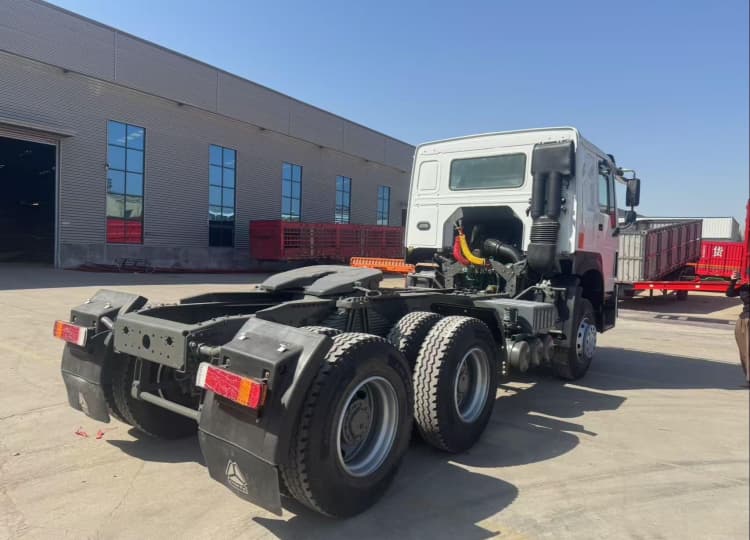
Tiered Fleet Strategy Spikes-Proof Long-Term Procurement Plans
Fleet managers can build a mixed fleet structure: reserve new truck purchases for long-life, high-duty core assets, and deploy heavy reman truks for project fleets, seasonal surges and medium-cycle support roles.
When new-truck markets inflate, the fleet can lean harder on reman capacity and pause discretionary new orders until prices cool. This flexible procurement buffer prevents the whole fleet plan from stalling because of market shocks.
Stable TCO Assumptions Protect Fixed-Rate Haul Contracts
Fixed-rate haul contracts rely on stable long-term cost forecasting. Unanticipated new truck price jumps break TCO models and turn profitable jobs into loss-making ones.
REMAN ROAD certified reman truks come with defined grade classification, documented wear curves and formal warranty architecture. Their operating and depreciation profiles are consistent, so commercial teams can price client contracts confidently without building large contingency buffers for new-vehicle market volatility.
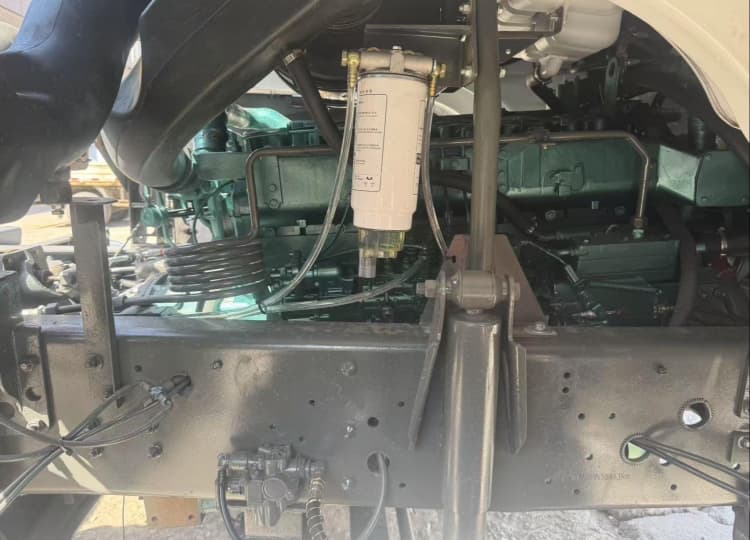
Financing Resilience When New Asset Collateral Values Shift
Lenders react to new truck price inflation by adjusting loan terms, LTV ratios and interest rates. Heavy reman truks with full traceability and standardised validation records have independently appraised collateral values that are less tied to new-truck market swings. This gives financing partners a stable valuation baseline, helping fleets maintain access to credit even when new vehicle lending becomes more restrictive.
Conclusion
REMAN ROAD reman truks deliver tangible commercial protection against sudden new-truck price spikes. They operate on a separate cost curve, offer fixed pricing and faster delivery, and support flexible tiered fleet planning. For fleets with fixed-price haul agreements and tight capital budgets, certified reman heavy truk acts as a financial hedge, stabilising capacity expansion and shielding margins from volatile new vehicle market cycles.