Environmental Benefits of Industrial Remanufacturing for Heavy Machinery Industry
Introduction
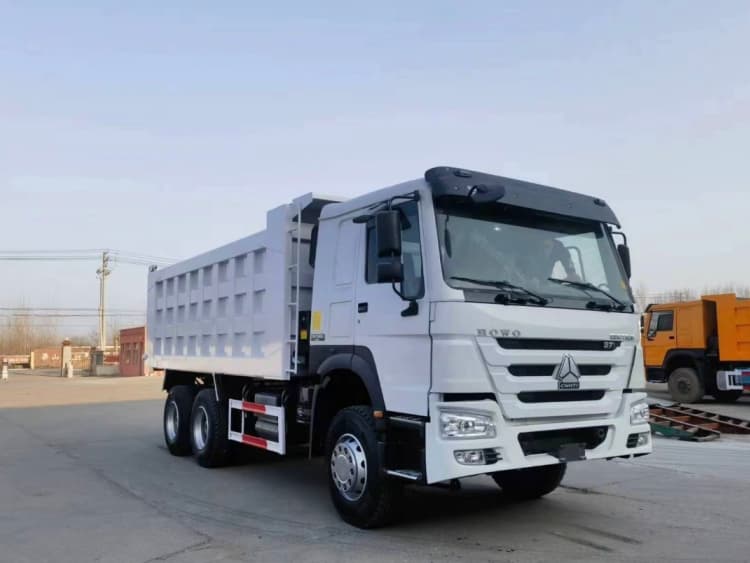
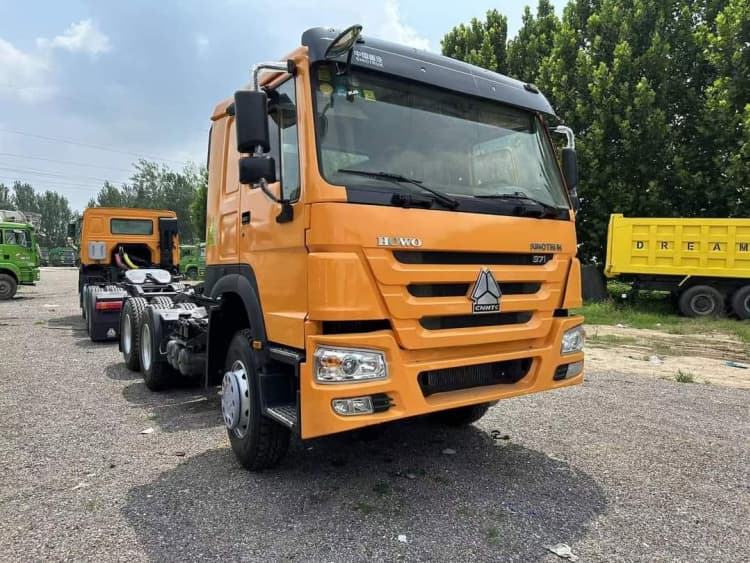
Heavy machinery manufacturing is highly resource-intensive. Producing brand-new heavy trucks consumes massive volumes of steel, alloy, fuel and energy, while releasing large amounts of greenhouse gas emissions. Industrial remanufacturing reuses qualified original core machinery assets, restoring them to near-new performance through standardized industrial reman workflows.
Industrial remanufacturing is far more than simple repair or cosmetic repainting. It is a circular production model that delivers measurable, verifiable environmental gains for the heavy machinery industry. This article breaks down the key environmental advantages of industrial remanufacturing.
Dramatic Reduction in Raw Material Consumption
New heavy machinery relies heavily on virgin mined metals, casting materials and rubber. Industrial remanufacturing preserves the existing metal core structure of heavy equipment.
- Retain high-value metal structures such as vehicle frames, axle housings, engine blocks and gearbox casings that require enormous mineral resources to produce from scratch.
- Avoid the need for virgin ore mining, smelting and metal casting for major assemblies.
- Only replace fatigue-prone consumable parts such as seals, hoses, bearings and filters, which consume a tiny fraction of the raw materials required for new equipment.
- Each reman heavy trucks saves tons of steel and alloy materials compared to manufacturing an equivalent new unit.
Mining and metal smelting create severe ecological damage; remanufacturing directly reduces demand for these virgin resources.
Huge Carbon & Energy Savings vs New Equipment Production
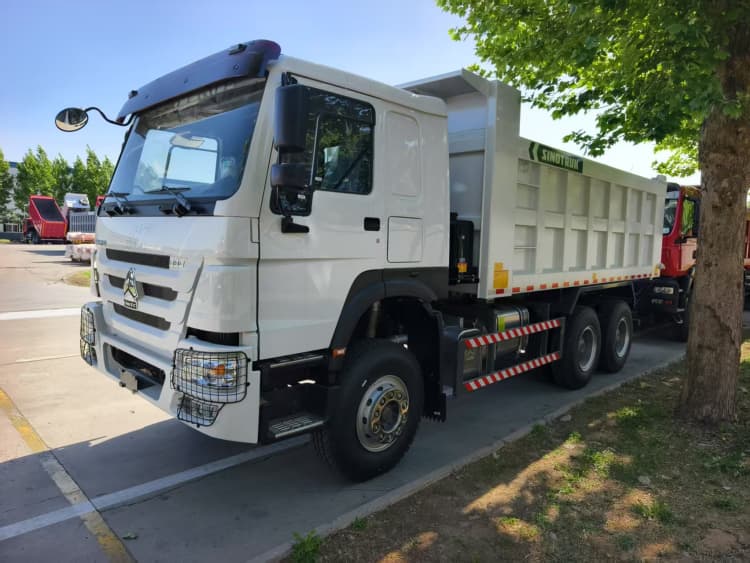
The carbon footprint of heavy machinery mainly comes from raw material processing and factory production. Industrial remanufacturing slashes energy use and greenhouse gas emissions.
- Industrial remanufacturing only uses a fraction of the energy required for new heavy machinery production. Energy-intensive steps including ore smelting, large casting and forging are skipped.
- Studies show reman heavy truck can cut carbon emissions by more than 60% compared with manufacturing brand-new counterparts.
- Lower fossil fuel consumption in production reduces emissions of CO₂ and other industrial pollutants.
- The carbon reduction data can be fully documented and included in corporate ESG reports, carbon accounting and green tender evaluation.
This carbon saving is one of the most attractive environmental benefits for multinational fleet operators.
Cut Industrial Solid Waste & Reduce Landfill Pressure
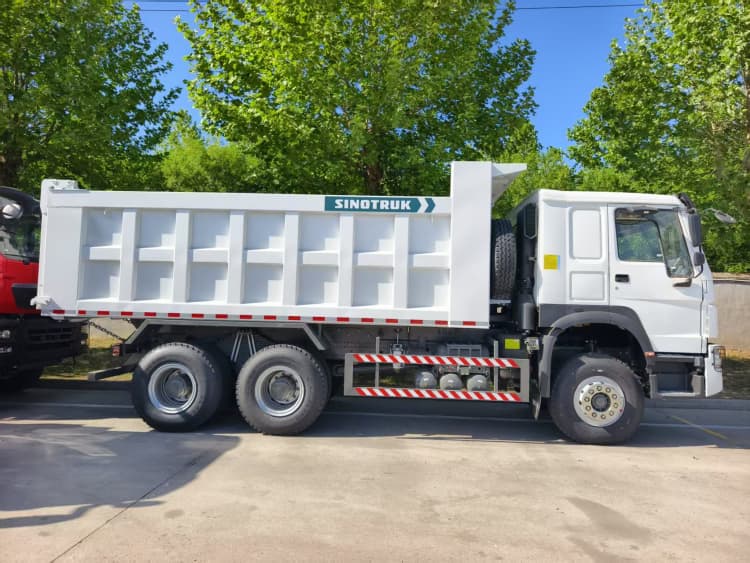
Without industrial remanufacturing, end-of-life heavy machinery will mostly be sent for scrap recycling, where valuable intact metal assemblies are cut and melted down.
- Industrial remanufacturing extends the service life of functional heavy machinery core assets, delaying scrapping.
- Avoid generating large solid waste streams from discarded engine blocks, chassis and large cast components.
- Parts that fail reman grading are sent for targeted material recycling, instead of mixed scrap disposal.
- Reduce landfill waste of rubber, plastic and composite components from end-of-life heavy machines.
Scrap recycling still consumes energy for melting; industrial remanufacturing retains the original value of components and minimizes waste at source.
Lower Air & Water Pollution From Industrial Production
New heavy machinery manufacturing creates multiple types of industrial pollution across the supply chain.
- Virgin metal smelting releases sulfur oxides, particulate matter and heavy metal pollutants into air and water. Industrial remanufacturing avoids most of these upstream pollution sources.
- Reman factories use controlled industrial cleaning and treatment processes, with much smaller pollutant output than foundries and forging plants.
- Less demand for ore mining also reduces soil erosion, water contamination and habitat destruction at mining sites.
For global construction enterprises targeting sustainability goals, industrial remanufacturing helps reduce the indirect environmental footprint of their equipment fleets.
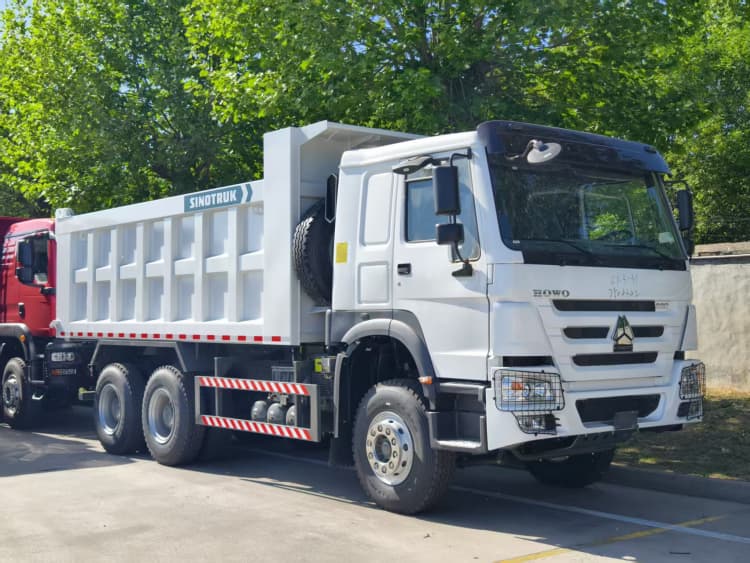
Circular Asset Loop: Slow Resource Depletion Across The Heavy Machinery Lifecycle
Remanufacturing builds a closed-loop circular economy model for heavy machinery assets.
- Qualified end-of-service heavy equipment cores are collected, inspected and remanufactured for a second service cycle, rather than one-time use and scrapping.
- After the second lifecycle, components can still be graded for reuse, reman or material recycling, maximizing the total value extracted from original resources.
- Reduce the linear “mine-make-use-dispose” model that dominates traditional heavy machinery industry.
- Standardized reman specifications and component traceability support repeated asset circulation in the global equipment market.
Support Corporate ESG Compliance & Green Procurement Rules
Environmental benefits of industrial remanufacturing are not just theoretical; they can be quantified for audit.
- Certified reman heavy trucks provides verifiable carbon saving and resource consumption data for ESG reporting.
- Many international infrastructure tenders now reward suppliers with low-carbon equipment fleets. Industrial reman heavy trucks meet green procurement criteria.
- Helps fleet owners qualify for green financing, carbon incentive programs and sustainability certifications.
Simple workshop refurbishment cannot deliver auditable environmental data; only formal industrial remanufacturing can provide complete documentation for ESG audit.
Common Misconception: Reman Does Not Equal “Waste Disposal”
Many buyers confuse remanufacturing with scrap recycling or simple overhaul.
- Material recycling melts the whole machine down into raw metal, destroying the value built into the original manufactured component.
- Remanufacturing preserves the finished mechanical structure and restores its performance, achieving far higher resource efficiency than recycling.
- Reman heavy trucks still operate under normal site emissions standards; the environmental gain lies in cutting upstream manufacturing impact, not reducing tailpipe exhaust of the machine during operation.
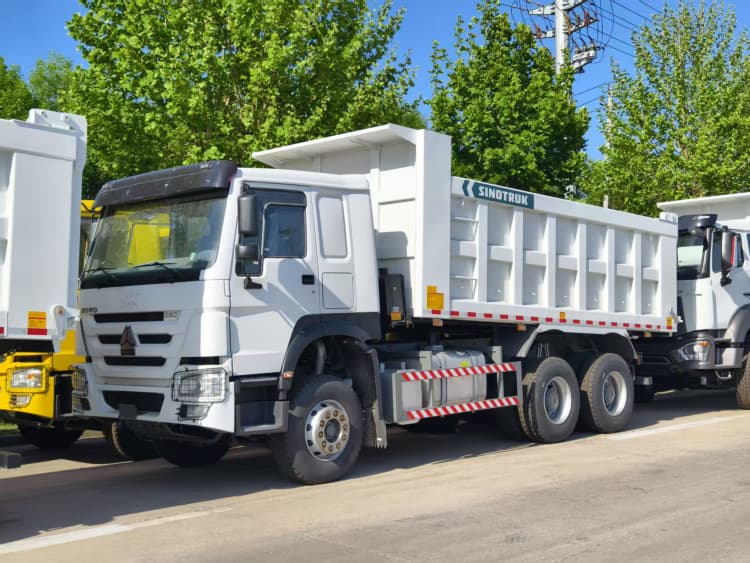
Conclusion
Industrial remanufacturing brings multi-layered environmental benefits to the heavy machinery industry.
- It conserves virgin raw materials and avoids the ecological damage of mining and smelting.
- It drastically cuts energy consumption and carbon emissions associated with heavy equipment production.
- It reduces industrial solid waste, air and water pollution, and builds circular asset cycles.
- It supplies quantifiable environmental evidence for corporate ESG reporting and green cross-border procurement.
For the heavy machinery sector, industrial remanufacturing is a practical, scalable solution to balance infrastructure development demand with global carbon reduction and resource protection goals.