Why Vehicle Lifecycle Reset Becomes a Key Trend in Heavy-Duty Transport?
Intro
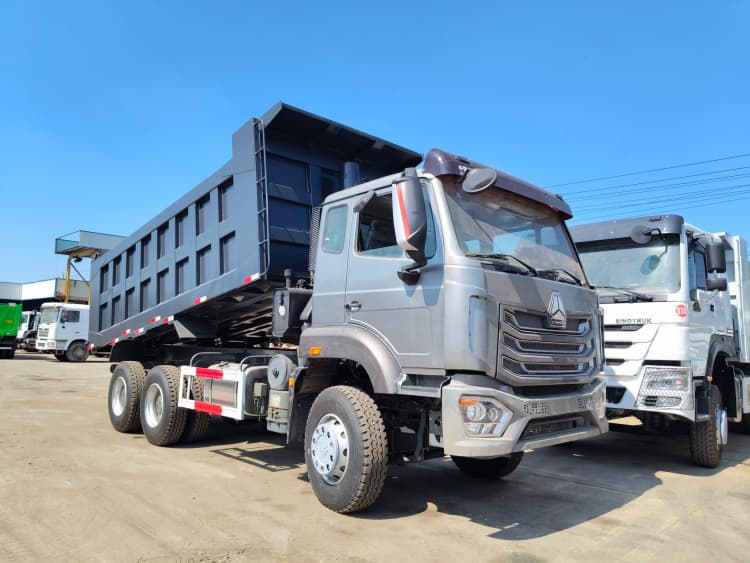
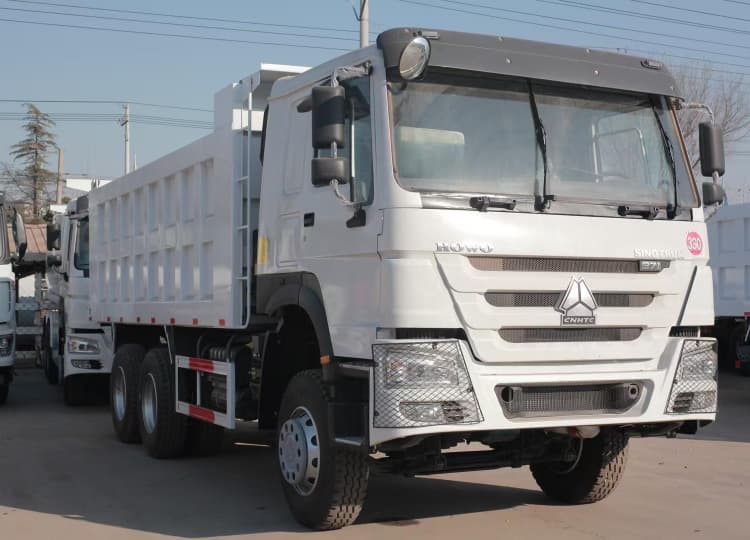
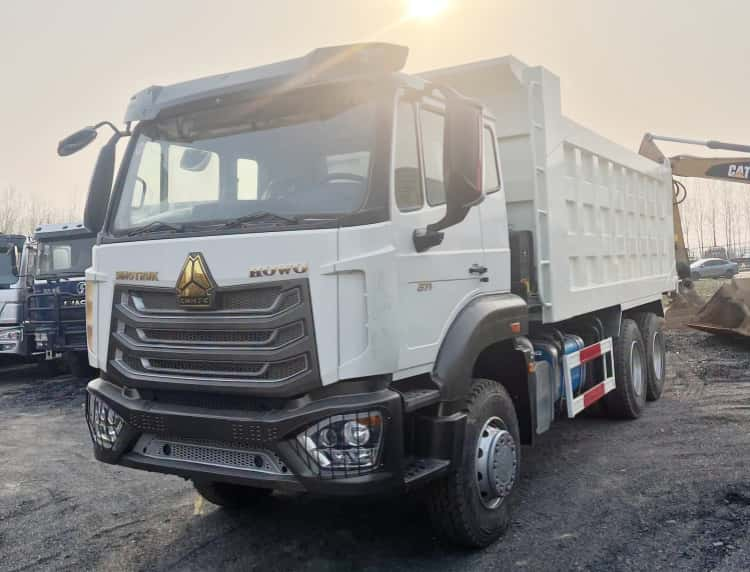
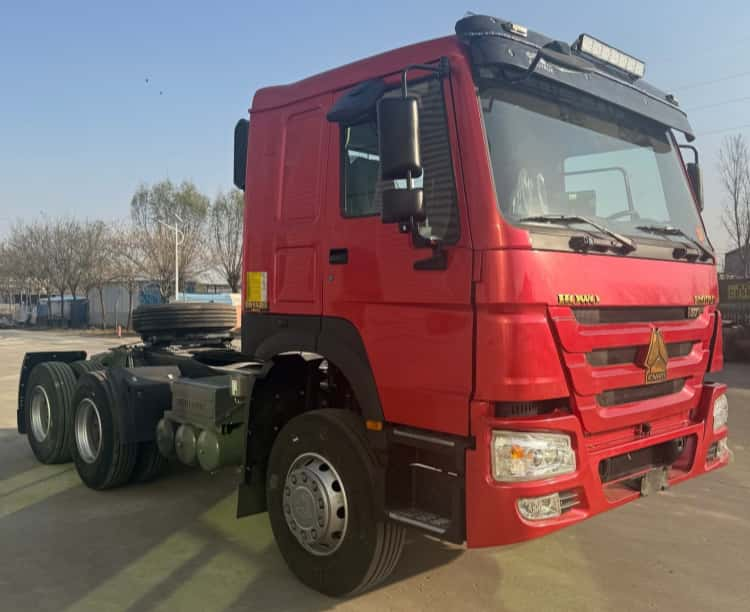
For decades, heavy-duty transport followed a simple linear rule: trucks age, depreciate, hit a service limit and get scrapped. Vehicle lifecycle reset breaks that model. It is the standardised remanufacturing process that restores an eligible end-of-life core truck to verified performance, safety and warranty baseline, giving it a full second service life.
Backed by REMAN ROAD inspection, NDT testing, dyno validation and full traceability, vehicle lifecycle reset is not cosmetic repair. It is becoming a mainstream industry trend because it aligns TCO control, ESG reporting, supply chain resilience and financing needs for haulage and construction fleets.
What Lifecycle Reset Means, And How It Differs From Ordinary Repair?
A regular repair fixes a fault; a refurbishment improves visible condition. Vehicle lifecycle reset is a full industrial reset of the asset’s usable life. The truck is completely disassembled, structurally inspected for hidden metal fatigue, worn components replaced, powertrain recalibrated, brake and hydraulic systems validated, and final road-tested against fixed acceptance thresholds.
When standardised remanufacturing process completed, the vehicle’s depreciation curve flattens and its service clock effectively restarts. Only cores that pass structural and safety gates qualify; units with irreparable frame damage are diverted to controlled recycling rather than unsafe patch rebuilds. This strict separation is why financiers and auditors treat genuine lifecycle reset as a distinct asset category.
Escalating New-Truck Capex and Lead-Time Pressures
New heavy trucks carry steep upfront capital cost, and global supply chains continue to create long lead times for semiconductors, castings and key powertrain parts. For fleet operators, waiting months for new chassis or allocating huge budgets for full fleet renewal hurts cash flow and project timelines.
Vehicle lifecycle reset delivers compliant, ready-to-deploy heavy vehicles at lower capital entry and shorter lead times. Small contractors, medium-sized fleets and short-term project operators gain access to fit-for-purpose capacity without competing for scarce new-vehicle allocation. This financial and scheduling relief is one of the biggest drivers of adoption.
ESG and Scope 3 Carbon Accounting Requirements
Regulators, tender frameworks and corporate carbon targets are forcing transport buyers to report embedded emissions across their supply chain. Building a new heavy truck consumes massive virgin steel, energy and manufacturing emissions.
Vehicle lifecycle reset retains the sound base chassis and structural architecture, cutting embodied carbon substantially. With REMAN ROAD’s traceable test records, these emission reductions are quantified and auditable, not promotional claims. Fleets can submit verified lifecycle reset reman trucks into Scope 3 inventories and demonstrate circularity in customer tenders and sustainability disclosures.
Predictable TCO and Smoother Depreciation Management
Ageing used trucks carry unpredictable failure risk: sudden roadside breakdowns, unplanned repair bills and accelerating depreciation. A properly lifecycle reset reman truck comes with a defined warranty, standardised maintenance schedule and known residual value profile.
Fleet planners can model monthly operating costs, budget for scheduled service and forecast resale value years ahead. Instead of watching an asset rapidly lose value toward scrap, operators lock in a longer, more stable value curve. This makes lifecycle reset especially attractive for construction dump trucks and high-cycle haulage units that would otherwise burn through their first life rapidly.
Financing and Insurance Markets Adapting to Standardised Reman Assets
Lenders and insurers historically treated older used trucks as high-risk, hard-to-value collateral. As standardised vehicle lifecycle reset gains consistent documentation, test logs and certification, financial models are changing.
Certified lifecycle reset reman trucks carry clearer risk ratings, more favourable financing terms and more predictable insurance pricing. The traceability record proves the vehicle’s technical baseline, so underwriters no longer price the unit based purely on its original build year. This unlocks financing for operators who could not justify the high loan burden of brand-new heavy trucks.
Supply Chain Resilience Against Global Component Volatility
Many fleets face downtime when critical spare parts are backordered. A mature lifecycle-reset network creates a local, circular asset pool. Eligible cores are recovered regionally, rebuilt to fixed standards and redeployed. This reduces reliance on imported finished trucks and hard-to-source OEM components.
For markets with limited new-vehicle supply, the lifecycle reset reman truck creates a steady stream of work-ready heavy assets, helping fleets avoid operational bottlenecks caused by global supply shocks.
Traceability as the Trust Foundation for Scaled Lifecycle Reset
The trend cannot scale on visual inspection alone. Buyers, financiers and auditors need proof. REMAN ROAD’s digital traceability trail records core intake, NDT results, component replacement logs, dyno output, brake performance and final acceptance tests. Every reset truck carries this continuous history.
If the unit is later resold or returned for another future lifecycle assessment, the full record transfers with it. This audit trail separates legitimate lifecycle reset from informal second-hand resale and builds the industry trust needed for wider adoption.
Boundaries: Vehicle Lifecycle Reset Is Not For Every Aged Truck
The trend does not mean all old trucks qualify for a second life. Standardised reset protocols include hard rejection rules: severe structural cracking, unrepairable corrosion, crash damage or obsolete emissions architecture that cannot be safely upgraded are excluded from full reman.
These units enter controlled material recycling. Clear limits protect the reputation of the lifecycle reset reman truck and prevent low-quality rebuilds from eroding confidence among fleet buyers.
Conclusion
Vehicle lifecycle reset is rising from a niche aftermarket option into a core heavy-transport trend because it solves multiple pain points at once: high new-truck capital cost, supply delays, unreliable used-truck risk, ESG reporting pressure and uncertain asset depreciation.
Built on standardised remanufacturing process, non-destructive testing, performance validation and full traceability, it turns eligible end-of-life cores into predictable, warranty-backed operational assets. For fleets, it offers a practical circular alternative that balances commercial performance and verifiable environmental impact.