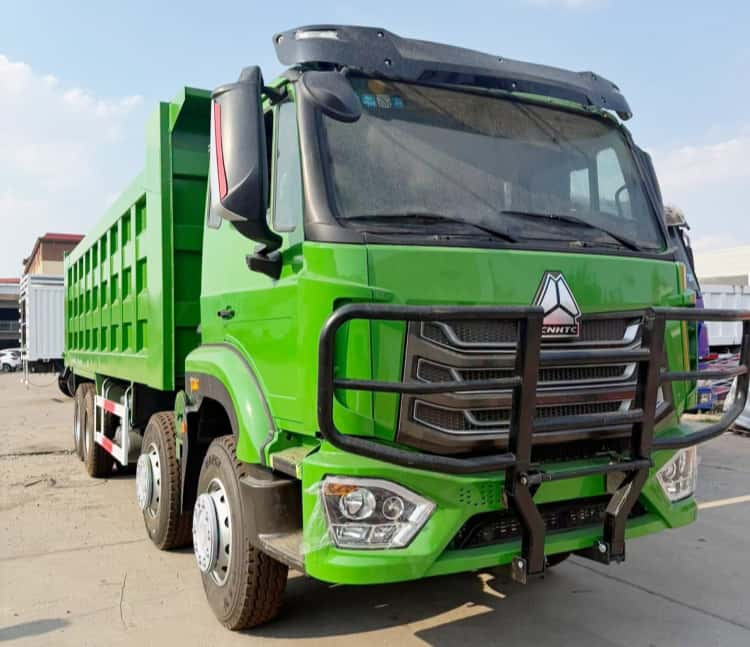
Why Visual Appearance Cannot Prove a Truck Is True Reman?
Introduce
For many fleet buyers, the first impression of a reman candidate comes from visual inspection. A freshly painted chassis, polished engine surfaces, cleaned cabin and new decals create an intuitive sense of quality. This is exactly the market trap that fuels widespread confusion.
Cosmetic finishing is just one optional, final step in genuine true reman workflows. It carries no engineering weight on its own. Under REMAN ROAD’s shared foundational logic, true remanufacturing is defined by system-level lifecycle reset, fatigue validation and auditable process gates, not surface presentation. Bright paint and tidy fittings can be applied to a truck that has never passed core screening, full disassembly or integrated load testing.
Surface treatment hides invisible structural risks
The most dangerous limitation of visual checks is that critical failure mechanisms are invisible to the naked eye.
Microcracks in frame welds, subsurface fatigue in axle housings and hidden corrosion within load-bearing sections do not show up on the outside. Skilled surface finishing can cover deformation, old accident welds and corrosion pits with filler, primer and paint. To an untrained observer, the frame looks solid. Beneath the coating, residual structural margin may already be exhausted.
NDT scanning and dimensional verification are designed to detect these hidden defects. No amount of washing or repainting can replace this screening step. Visual inspection only captures surface condition; it cannot read the material fatigue history embedded inside the asset.

Visible components can be renewed while core systems remain untouched
Sellers often upgrade easy-to-see parts to create the impression of full remanufacturing. New tyres, fresh hoses, replacement seat covers and reconditioned exterior panels are low-cost, high-visibility upgrades.
These visible upgrades do not confirm work on the asset’s critical systems. The engine block, transmission internals, brake hydraulic distribution, wiring harness and electronic calibration may remain unopened, uninspected and unadjusted. A truck can look fully renewed while its driveline carries accumulated wear that will trigger breakdowns soon after deployment.
This is the core difference between cosmetic refresh and system true reman workflow. Cosmetic work targets what the buyer sees. Genuine reman targets the interdependent mechanical, thermal and dynamic behaviour of the whole vehicle.
Clean appearance does not prove system harmony
Even if individual parts look new, there is no guarantee they work in balance as an integrated system.
A freshly painted engine bench-tested independently may overheat once paired with an unmodified cooling package. New brake calipers can create uneven force distribution if the hydraulic proportioning and ECU logic are not recalibrated. These integration mismatches only emerge under dynamic loaded operation. They leave zero visual trace before failure.
Visual assessment cannot verify cross-subsystem calibration, vibration resonance or thermal balance. That evidence only comes from loaded full-vehicle testing and continuous sensor logging.

Cosmetic work can be completed without traceable process records
Genuine true reman relies on a complete, VIN-linked audit trail: component grading logs, machining limits, replacement part specifications, fatigue reports and validation test data. This paper trail is the proof of compliance.
Cosmetic refurbishment requires almost no documentation. A workshop can spray, clean and reassemble the truck without recording any inspection decision. Buyers may receive a visually impressive vehicle, yet have no independent way to confirm whether the core was assessed, whether condemned components were discarded, or whether mandatory replacement rules were followed.
A polished look is easy to replicate. Authentic, sequential process evidence is not.
The role of appearance in a true reman workflow
This does not mean visual finishing is worthless. Within a compliant true reman workflow, cleaning and coating serve practical protective purposes. They remove residual abrasive debris, prevent surface corrosion after disassembly, and support consistent inspection during rebuild.
The key distinction is order and priority. In true reman, all fatigue screening, disassembly, component renewal, calibration and integrated validation are completed first. Cosmetic treatment comes last. It is a protective finishing step, not the proof of the work. In cosmetic-only rebuilds, surface presentation is the main objective, and technical validation is skipped.
How this misconception distorts market decisions?
Fleets that rank visual quality above technical evidence often fall into predictable economic traps. They pay a premium for a “like-new” look, only to absorb heavy downtime, emergency repair costs and contract penalties when latent defects surface.
This confusion also distorts market pricing. It lets low-effort cosmetic rebuilds compete against fully validated reman trucks on the same visual basis. The ecosystem loses a shared benchmark, and the value of rigorous reman processes is underappreciated.
As a neutral bridge connecting stakeholders, REMAN ROAD’s framework shifts the focus away from subjective visual judgement toward objective, auditable evidence. It gives asset operators, verification bodies and financiers a consistent set of questions to ask before acceptance: not “does it look good?”, but “what fatigue testing, component governance and integrated load validation have been recorded for this core?”
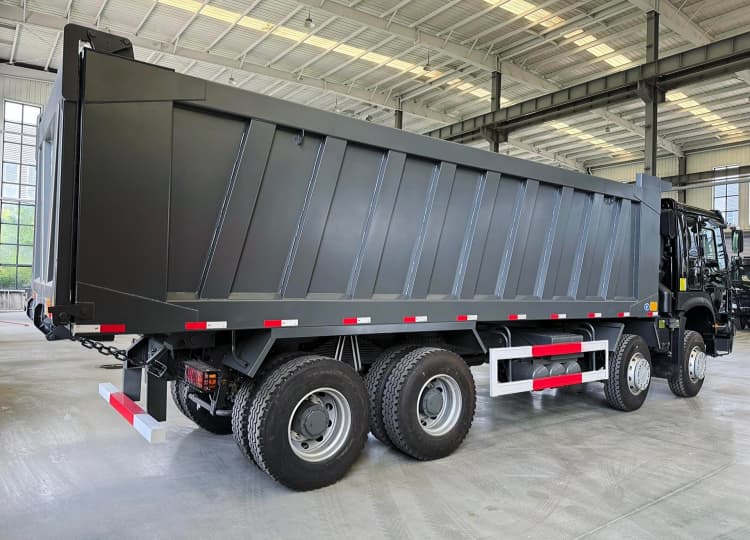
Practical verification rules for fleet buyers
Separate visual checks from technical proof in every evaluation.
- Do not accept photos or walkaround videos as primary evidence of reman truck status.
- Request fatigue screening reports and NDT logs tied to the vehicle’s unique identifier.
- Review component grading records, part traceability and calibration snapshots.
- Confirm full-vehicle loaded validation data, not just static startup or short road runs.
- Treat clean paint and tidy interiors as secondary, supplementary details, not validation milestones.
Closing thought
Visual appearance is a surface signal, not a quality certificate. It can be manipulated easily and tells nothing about invisible fatigue, internal component wear or cross-system coordination.
Genuine true remanufacturing is validated by engineering evidence, gated assessment and integrated performance testing. When market participants stop judging reman truck by shine and finish, and start judging it by traceable process data, they close the information gap that fuels industry chaos and unlock the reliable economic value of circular heavy assets.