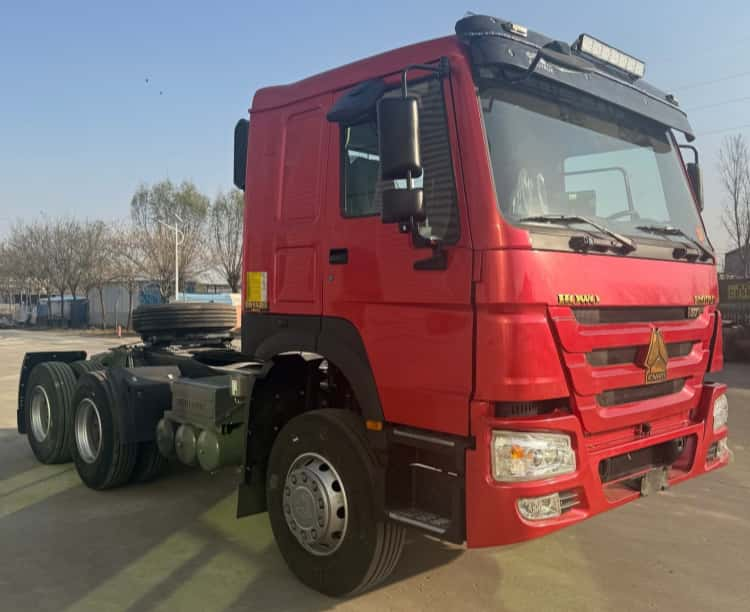
How Formal Reman Contributes to Circular Economy for Heavy-Duty Fleets?
Introduction
For most heavy-duty fleets, vehicle turnover traditionally follows a linear model: buy new trucks, run them until end-of-life, then sell them off or send them to scrap. Resources are extracted, forged, cast and assembled once, before leaving the productive cycle.
Formal remanufacturing under REMAN ROAD breaks this linear pattern. It is not simple recycling or casual resale; it creates a managed circular system that retains embedded engineering value inside fleet operations. For fleets, circularity delivers both measurable environmental gains and stable long-term asset economics, rather than sustainability claims based on superficial refurbishment.
The difference: formal reman vs loose circular practices
Many activities claim to be circular, but they operate with weak controls. Basic repair, cosmetic refurbishment or informal used-truck trading may keep a vehicle on the road, yet they lack consistent core screening, fatigue testing and traceability. These low-standard workflows often create unsafe assets, short service lives and fragmented supply chains.
Formal remanufacturing is circular by design. It defines clear intake gates, full teardown rules, component grading, performance validation and take-back pathways. Every decision about a core — reuse, rework, harvest for spare parts or scrap — is documented. This discipline turns random reuse into repeatable, auditable circularity that fleets can report on, budget for and scale.
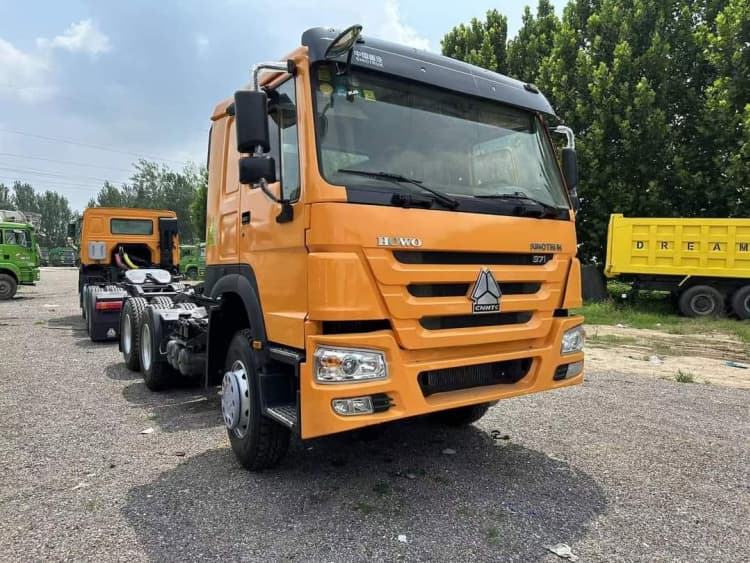
It preserves the high embodied carbon locked inside heavy truck assets
A heavy chassis, axle housing, engine block and steering component carry enormous upfront carbon cost from mining, smelting, forging and machining. Melting these parts for scrap recycling destroys that accumulated energy investment.
Formal reman preserves that embodied value. Qualified cores are restored to new-equivalent performance instead of being recycled early. Compared with manufacturing an equivalent new heavy vehicle, certified formal remanufacturing drastically cuts virgin material demand and embedded emissions.
For fleets, this reduces the carbon footprint of fleet renewal without sacrificing load capacity or reliability. It also supplies verified emissions data required for ESG reporting, tender requirements and sustainability disclosures.
It establishes structured reverse logistics and core take-back loops
Circularity cannot exist without a reliable way to recover assets. Formal remanufacturing programmes pair fleets with structured take-back agreements: when a reman truck reaches the end of its current service interval, it flows back to the reman facility for reassessment.
This reverse flow stabilises the supply of known, traceable cores. Fleets avoid dumping valuable chassis into unregulated second-hand markets, where cores disappear, get patched up or are prematurely scrapped. Over time, fleets build an internal asset pool that rotates through repeated reman cycles, lowering reliance on volatile new-vehicle and spot used-core markets.
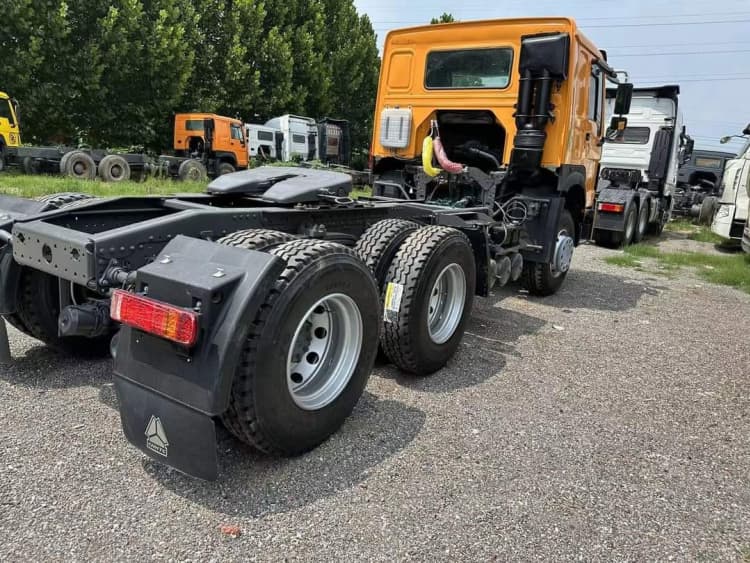
It maximises material value through tiered component harvesting
Not every returning whole-truck core qualifies for full-vehicle reman. Formal reman uses a tiered sorting logic to extract value at every level:
- Sound full chassis: enter whole-truck reman and receive a lifecycle reset
- Failed frame but usable axles, steering or transmission: harvested into a certified component inventory for future builds
- Fatigued or irreparable assemblies: sent for controlled metal recycling as the final fallback
This tiered approach ensures that nothing moves to scrap before its usable component value has been captured. It is far more resource-efficient than selling a retired truck as one lump asset, where hidden good components are lost or undervalued.
It extends fleet asset life predictably, not arbitrarily
A core circular goal is longer, productive asset life — but extension without safety rules is risky. Formal remanufacturing only extends service life after fatigue assessment, NDT screening and system-level validation.
Instead of running trucks until sudden failure, fleets use reman as a scheduled lifecycle intervention. Vehicles are reset on a planned timeline, with known warranty and operating limits. This creates a predictable rotation schedule for fleet managers: planned downtime, controlled capital spend and less emergency replacement. Circularity becomes integrated into fleet asset planning, not an afterthought.
It aligns circular gains with better TCO and residual value
One common myth is that circular choices mean accepting weaker financial returns. For heavy-duty fleets, formal remanufacturing aligns sustainability and economics. Reman trucks have lower upfront capital cost than new trucks.
Thanks to traceability and standardised certification, they also hold clearer residual value: the next buyer can verify inspection records, fatigue status and prior service cycles. Fleets can forecast depreciation more reliably and capture residual value through take-back contracts. This makes circular fleet management financially sustainable, rather than a pure cost centre.
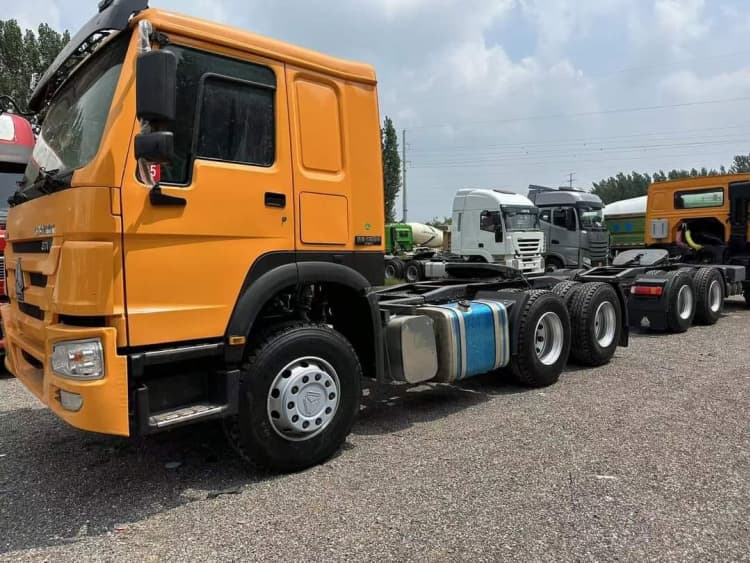
It creates auditable circular data for fleets
A major pain point for fleet sustainability teams is proving circular impact. Many reuse activities cannot be quantified because there is no consistent record of what was restored, what was harvested and what was scrapped.
The REMAN ROAD traceability system captures every core’s journey. Fleets can pull reports showing how many virgin tonnes of steel were saved, how many units avoided recycling, and how many service-life cycles each asset completed. This structured evidence supports customer ESG requirements, regulatory reporting and green tender qualifications — something informal rebuilds cannot deliver.
Where the loop ends: respecting physical fatigue limits?
Formal circularity is not infinite reuse. Metal accumulates fatigue over cycles, even with perfect maintenance. Once a core exceeds published wear and fatigue thresholds, it exits the reman loop and proceeds to recycling.
This hard boundary separates responsible formal remanufacturing from reckless extension. It protects safety while keeping the circular model credible. Circularity is not about keeping every truck on the road forever; it is about extracting the maximum safe service life from each engineered asset before raw material recovery.
Closing
Formal remanufacturing is the practical foundation of circular economy strategy for heavy-duty fleets. It protects embodied carbon, builds controlled core take-back loops, maximises component value, enables planned lifecycle extension and delivers auditable sustainability data alongside stable TCO.
Under REMAN ROAD, circularity is not just an environmental slogan. It is an operational system that lets fleets turn vehicle retirement into asset rotation, balancing safety, reliability, cost and resource stewardship.