Common Misconceptions New Buyers Have About Standardised Remanufacturing
Introduction
For procurement teams and fleet managers exploring standardised remanufacturing for the first time, the terminology and workflow often clash with existing assumptions built around used trucks, repairs and overhauls. Misconceptions do not just skew expectations — they lead to poor purchasing decisions, unfair comparisons with new vehicles, and confusion between genuine standardised reman and low-quality rebuilds.
REMAN ROAD clarifies these misunderstandings by grounding every definition in auditable engineering rules. Below are the most widespread wrong assumptions among first-time buyers.
Misconception 1: Reman trucks are just expensive used trucks
This is the most prevalent belief. New buyers group reman trucks into the same category as second-hand trucks, judging value only by age, mileage and outward appearance.
The key distinction: a used truck retains its original remaining service life and accumulated hidden fatigue. Standardised remanufacturing undergoes full teardown, NDT screening, controlled restoration and system testing to reset its service life to a defined baseline. It carries formal certification, traceability and a purpose-built warranty. While it uses a reused core, it is not simply a pre-owned vehicle being resold.
Misconception 2: If it looks new and paints well, it qualifies as reman trucks
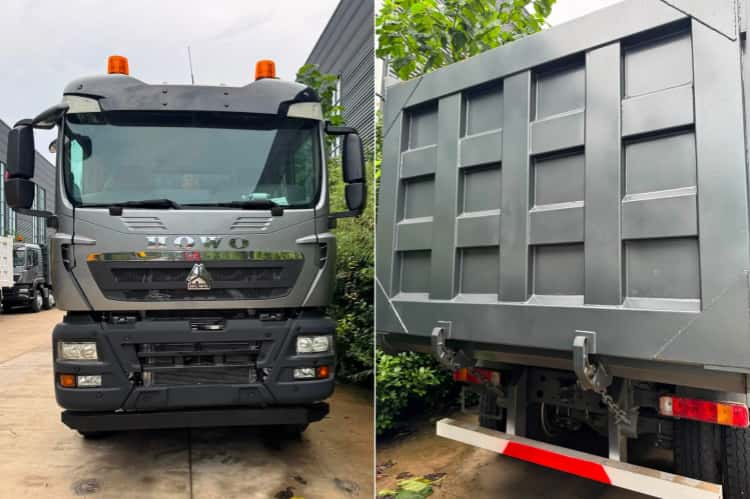
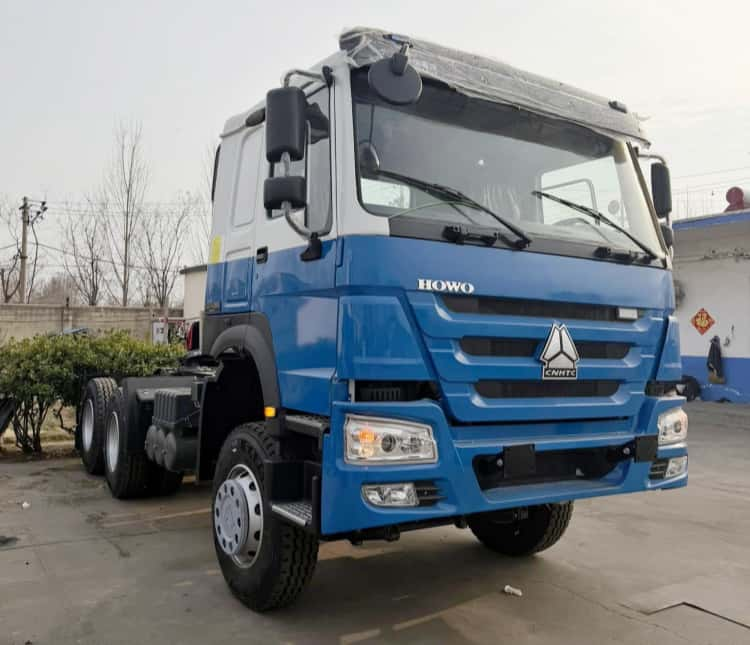
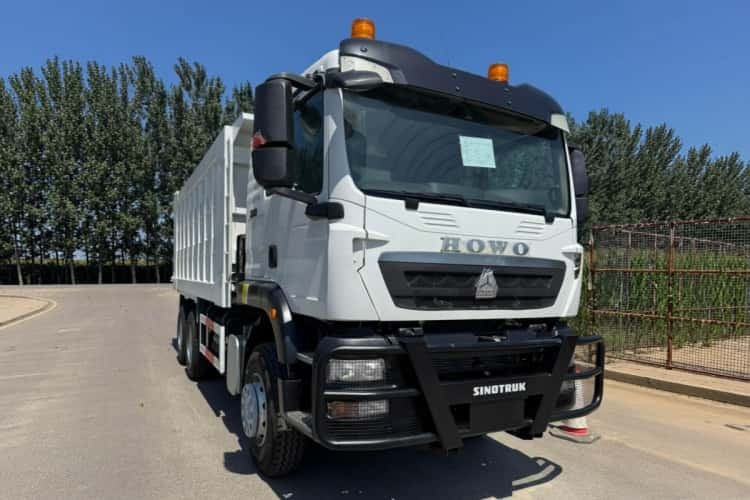
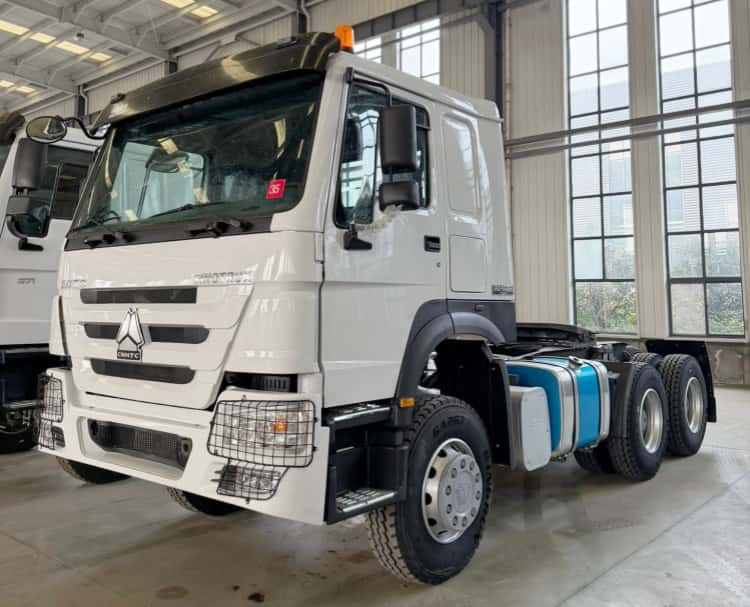
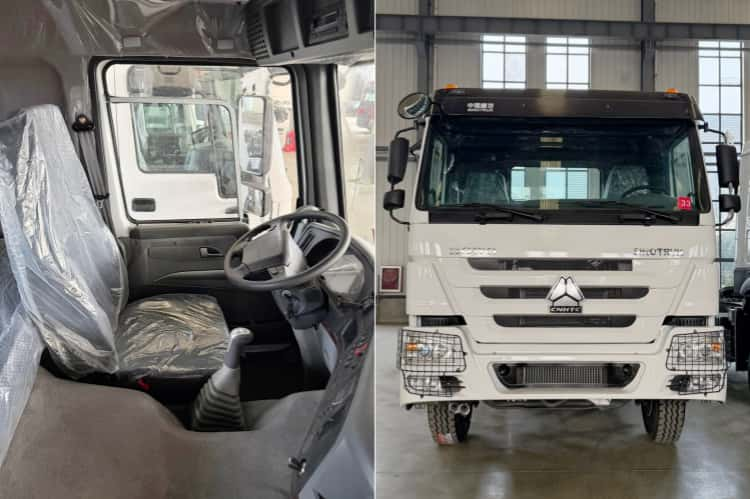
Cosmetic work is cheap and easy. Many rebuild shops clean, repaint cabs and frames to create a “like-new” appearance without touching latent structural risks.
Standardised remanufacturing’s criteria sit beneath the surface. Paint, trim and body finish are not part of the core reman standard. A truck can look brand-new externally yet fail reman qualification if critical fatigue testing, component grading or tolerance checks are skipped. Appearance is never a valid quality benchmark.
Misconception 3: Reman is the same as a major engine overhaul
Buyers familiar with engine overhauls often extend that logic to full-vehicle reman. An overhaul targets known worn or failed parts, usually on a single assembly, without mandatory full disassembly of the whole chassis.
Standardised remanufacturing applies to the complete asset. It evaluates frames, axles, steering, suspension and brake assemblies individually, even when no fault is visible. Its goal is system-wide lifecycle reset, rather than fixing a known breakdown to return the truck to service quickly.
Misconception 4: Every reman trucks or parts can be recycled and reused infinitely
The circular economy messaging sometimes creates this over-optimistic view. Metal fatigue accumulates with every load cycle, even when no crack appears. REMAN ROAD sets clear fatigue and wear limits.
A core may be suitable for one, two or three reman cycles, but it will eventually hit its engineering end-of-life point. At that stage, it exits the reman loop and goes into raw material recycling. Safe standardised remanufacturing has hard physical boundaries.
Misconception 5: Reman must match every single specification of a brand-new OEM truck
Buyers sometimes reject reman because minor non-critical components are not identical to original factory build sheets. “New-equivalent performance” is the correct benchmark, not perfect part-for-part matching.
Critical safety dimensions, load capacity, emissions output and reliability targets must meet the standard. Non-safety-critical consumable or peripheral components may use approved equivalent alternatives, as long as documented and auditable. Standardised remanufacturing does not claim to be an identical factory replica.
Misconception 6: Reman is always the cheapest buying option
It is true that standardised remanufacturing usually carries a lower upfront capital cost than a brand-new heavy truck. But it is not automatically cheaper than informal rebuilds or high-mileage used trucks.
Standardised remanufacturing adds costs for full teardown, NDT testing, skilled labour, traceability systems and third-party audits. Its value comes from lower long-term TCO, fewer unexpected breakdowns and better residual value, not rock-bottom purchase price. Comparing only sticker price is misleading.
Misconception 7: Warranty coverage is the same as for a new truck
Standardised reman warranties reflect a reset lifecycle, but they are structured differently from OEM new-vehicle warranties. They are tailored to the reman standard’s defined service interval.
New buyers may be disappointed to find shorter warranty terms or different exclusions. This is not a sign of poor quality. It reflects the unique nature of reman cores and the agreed performance baseline. Buyers should review warranty scope before tendering, instead of assuming parity with new truck warranty terms.
Misconception 8: Any workshop that says “reman” follows standardised reman rules
The word “reman” is unregulated in many markets. Repair shops, traders and small rebuilders freely use the label for marketing purposes, with no enforced standardised remanufacturing workflow.
Standardised remanufacturing means adherence to a fixed, auditable framework such as REMAN ROAD. Without traceability records, mandatory testing gates and independent verification, the label carries no weight. The name alone proves nothing.
Misconception 9: Closed-loop reman means I have to sell my truck back to the same supplier
Some fleets avoid reman because they fear being locked into rigid take-back contracts. Closed-loop systems are one implementation of standardised remanufacturing, not a mandatory requirement.
Buyers can purchase certified reman trucks without participating in a core return programme. Take-back agreements are a commercial option to improve residual value and supply stability, not a compulsory rule.
Misconception 10: Reman trucks are riskier because they use old metal
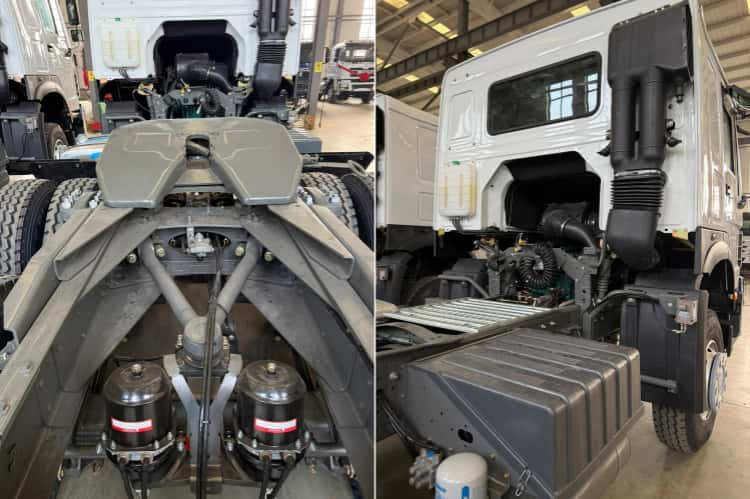
This intuition is common but backwards. Standardised remanufacturing identifies and removes high-risk fatigued components before deployment. A poorly inspected used truck that has never gone through NDT screening carries far more hidden risk. Certified reman’s risk controls are designed specifically to eliminate those unseen hazards from reused cores.
Closing
Misconceptions arise when buyers judge standardised reman using frameworks built for new trucks, casual repairs or second-hand vehicle trading. Once buyers understand that standardised remanufacturing workflow is defined by full disassembly, fatigue assessment, performance validation and traceable standards — not looks, price or labels — they can make fair, informed procurement decisions. For new fleet buyers, separating these myths from the engineering reality of REMAN ROAD unlocks the full TCO and circular benefits of certified remanufacturing.