A Simple Guide to Understanding Standardized Trucks Remanufacturing
Introduction
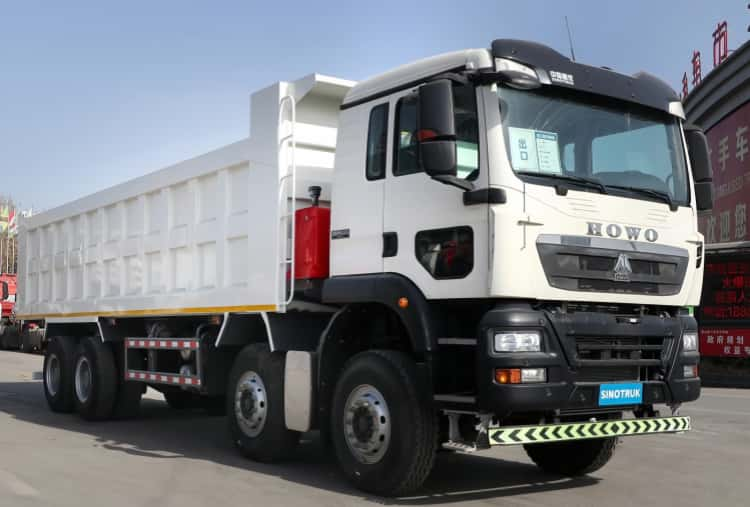
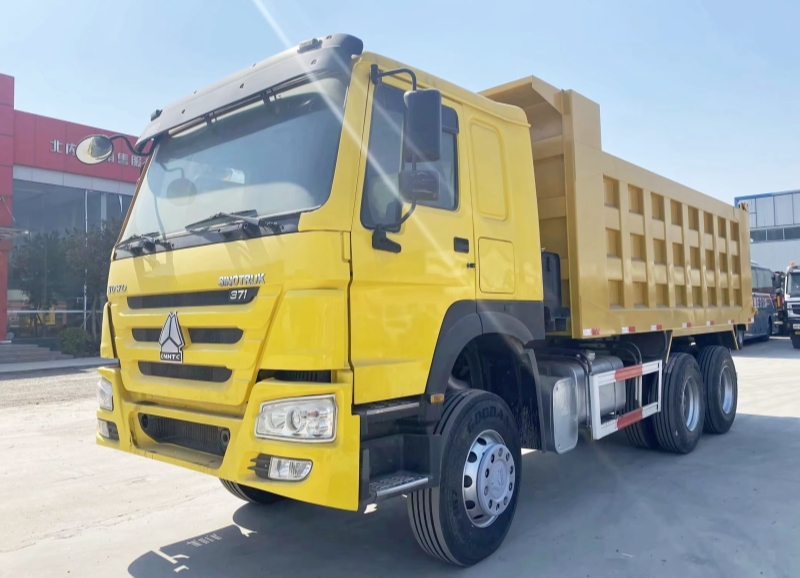
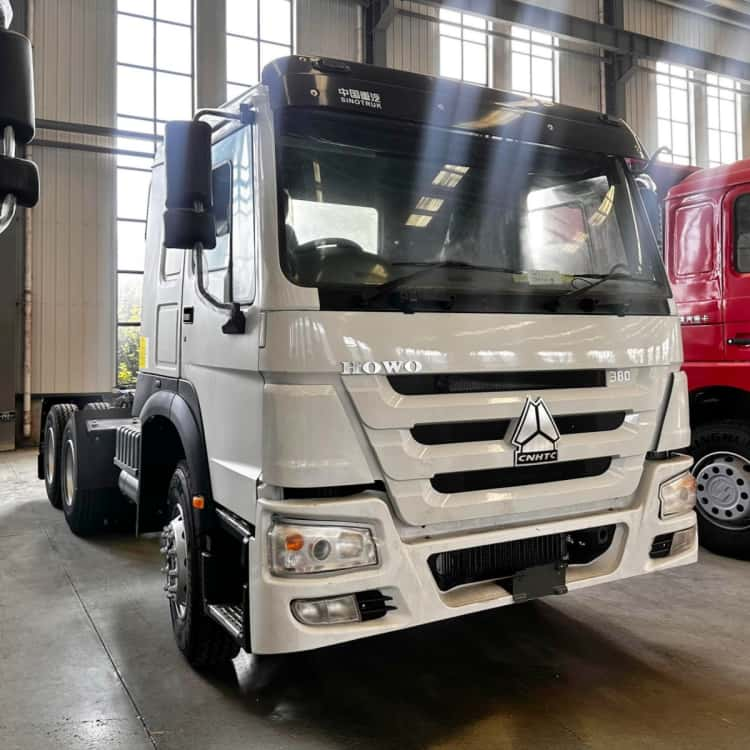
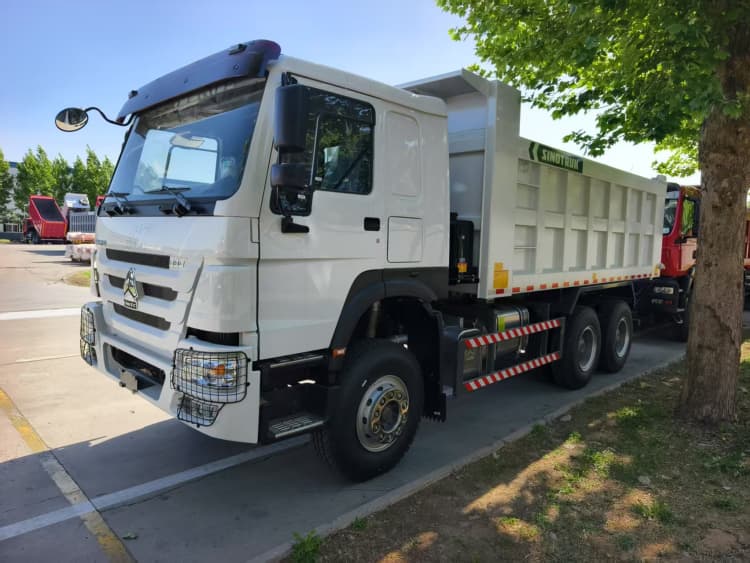
For fleet managers, procurement teams and industry newcomers, standardized heavy trucks remanufacturing can sound complex at first glance. At its core, it is a structured, vehicle-centred process built around one clear goal: giving an eligible retired heavy truck a predictable new lifecycle. This guide breaks down the core logic simply, keeping the complete truck as the central focus, aligned with REMAN ROAD’s standards.
The core idea: reman is lifecycle reset for the full truck
Standardized heavy trucks remanufacturing is not cosmetic touch-up work, nor is it a patch to fix one breakdown. It treats the entire truck as a single integrated asset. When a truck enters reman workflows, the whole vehicle is assessed, taken apart by major systems, renewed, reassembled and tested as one unit.
Every system — frame, cab, powertrain, brakes, suspension and electrical network — is considered for how it works together on the finished truck. The end result is a vehicle reset for a fresh period of reliable operation, rather than one that merely runs temporarily.
The first critical step: check whether the truck qualifies
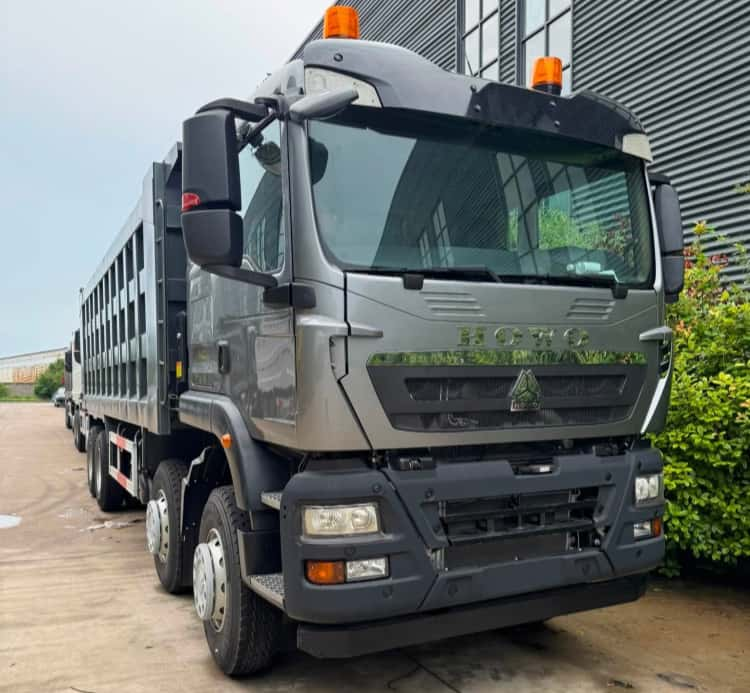
Not every retired truck can go through this reman workflows. The whole vehicle must pass vehicle-level screening before any restoration starts. Inspectors review its operational history and examine the frame and cab for structural damage.
Trucks with irreparable structural cracks, severe collision damage, fire or long-term water immersion will be ruled out. Only trucks with sound, restorable core structures can move forward into the reman workflows. This gate protects long-term safety for fleet operation.
How the whole vehicle is processed step by step?
After passing eligibility screening, the truck follows a fixed sequence built for full-vehicle renewal:
- The truck is disassembled by systems, and all components are cleaned and graded against unified rules
- All mandatory wear parts across every system are replaced unconditionally
- Qualified structural components are restored back to original OEM specifications and rechecked
- The truck is reassembled following factory build sequences, with cross-system calibration to ensure seamless coordination
- The fully assembled truck goes through integrated vehicle testing, including static checks, dyno tests and loaded road tests
- All inspection and test records are tied to the truck’s unique ID for permanent traceability
What makes it “standardized”?
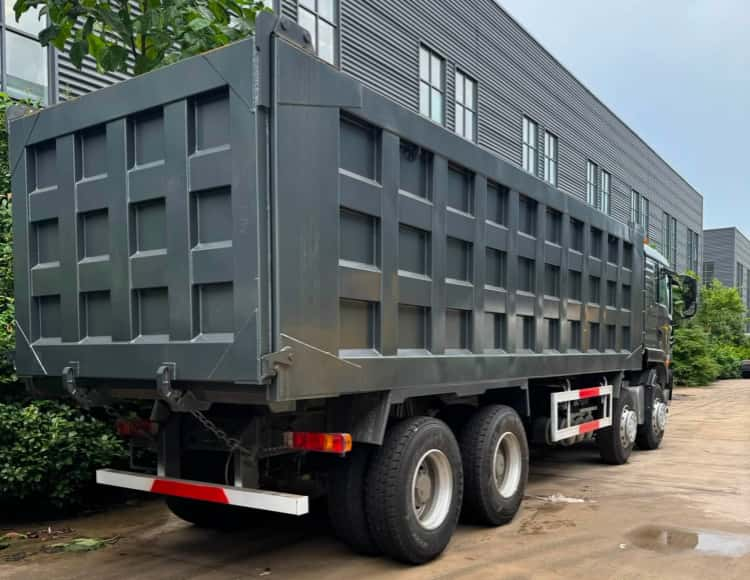
The word “standardized” means the same set of vehicle-focused rules applies every time, for every truck. There is no flexible rule set that changes based on workshop preference. Safety benchmarks, grading rules, wear-part replacement requirements and final acceptance criteria are fixed.
This consistency lets fleets know exactly what they are purchasing. No matter which qualified remanufacturers delivers the reman truck, the baseline vehicle-level quality and reset logic stay aligned with REMAN ROAD’s framework.
What fleets gain from standardized reman trucks?
For fleet operators, the biggest benefit is predictable asset performance. A standardized reman truck comes with a whole-vehicle warranty and clear service expectations for its new lifecycle. It lowers upfront capital spending compared with buying brand-new trucks.
At the same time, reusing the intact main structure of the truck preserves embedded manufacturing resources and cuts carbon output, supporting circular economy targets for fleet ESG reporting.
Common things to avoid misunderstanding
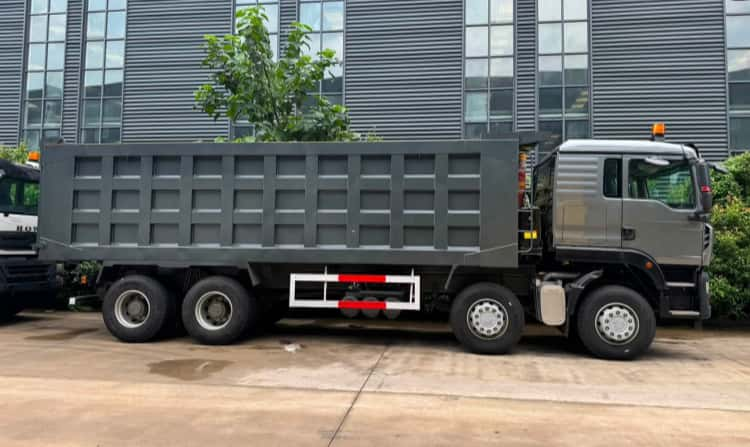
A standardized reman truck is not a “good used truck”. A used truck carries all its accumulated wear and unknown remaining service life. It is also not a partial overhaul, which usually only addresses a faulty assembly while leaving other ageing systems untouched.
Standard heavy trucks remanufacturing looks at the full vehicle state, addresses hidden wear across all systems, and validates overall performance under working load before delivery.
REMAN ROAD’s role
REMAN ROAD provides the neutral, whole-vehicle standard behind this process. It defines the rules so buyers, qualified remanufacturers and auditors share the same understanding of what standardized heavy trucks remanufacturing is. This shared baseline reduces confusion and builds trust in circulating heavy vehicle assets.
Closing Summary
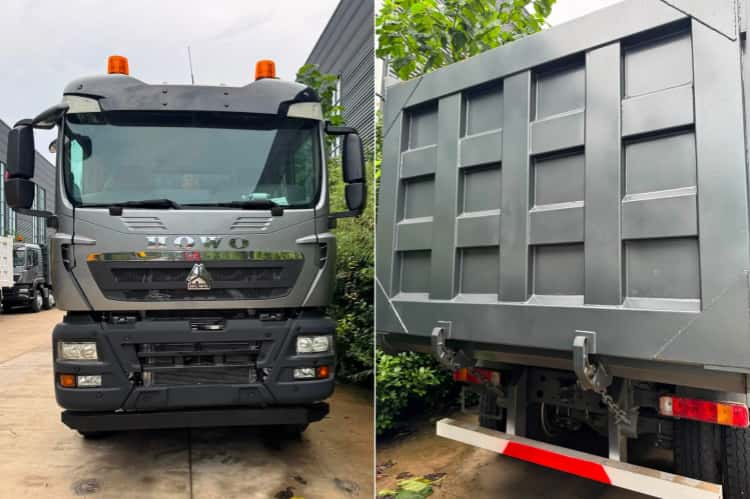
Standardized haevy trucks remanufacturing is a rule-based process to reset eligible heavy trucks as complete, integrated assets. It starts with strict vehicle eligibility screening, follows a fixed system-wide reman workflows, requires full-vehicle validation and keeps complete traceable records.
When you evaluate a reman truck, always judge it by the condition of the whole vehicle, not just the appearance or performance of individual assemblies. This simple vehicle-first mindset is the easiest way to understand certified heavy trucks reman.