What a Standard Reman Warranty Means for Heavy Vehicle Fleets?
Introduction
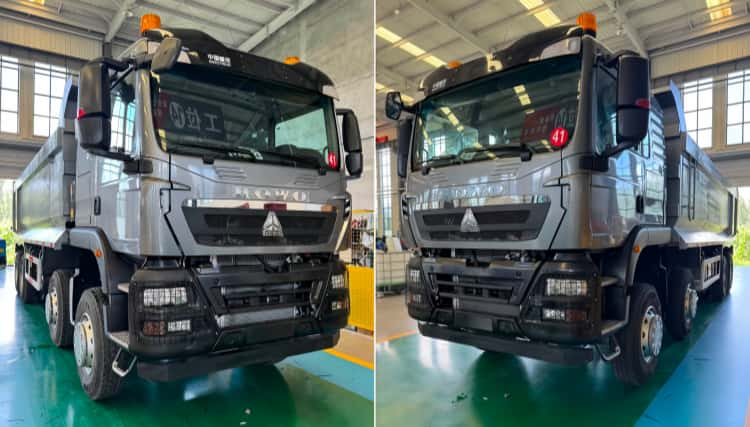
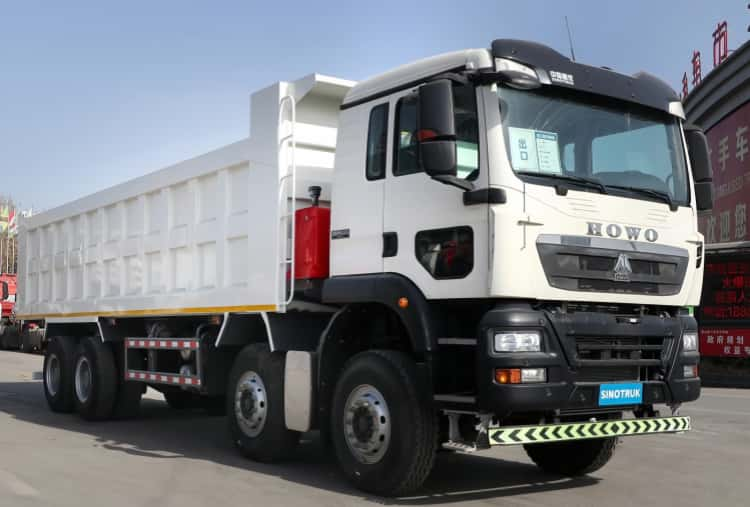
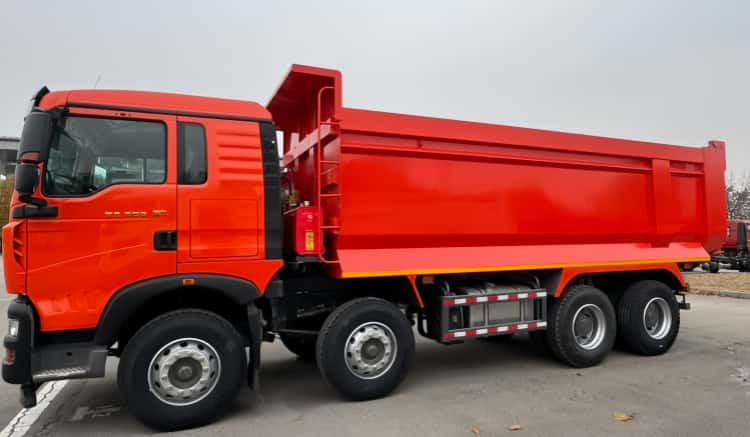
A warranty is more than just a guarantee against faults. For industrial reman trucks, a standard reman warranty is built around the complete vehicle, matching the core idea of whole-vehicle lifecycle reset. It reflects the full-vehicle processing standard and gives fleet operators clear expectations of protection. This explanation stays focused on the truck as one integrated asset, aligned with REMAN ROAD’s vehicle-first rules.
It is a whole-vehicle coverage, not limited to individual replaced parts
The most important feature of a standard reman warranty is that it applies to the entire industrial reman trucks, rather than only the components that were swapped out during processing. When a truck completes certified reman workflow, every interconnected system has been inspected, renewed, calibrated and validated together.
The warranty recognises that the performance of braking, powertrain, suspension and electronic systems relies on mutual coordination. If a fault arises from the reman process affecting the integrated operation of the truck, the coverage applies accordingly. This is fundamentally different from repair warranties, which only protect the single assembly that was serviced.
The warranty term corresponds to the reset lifecycle
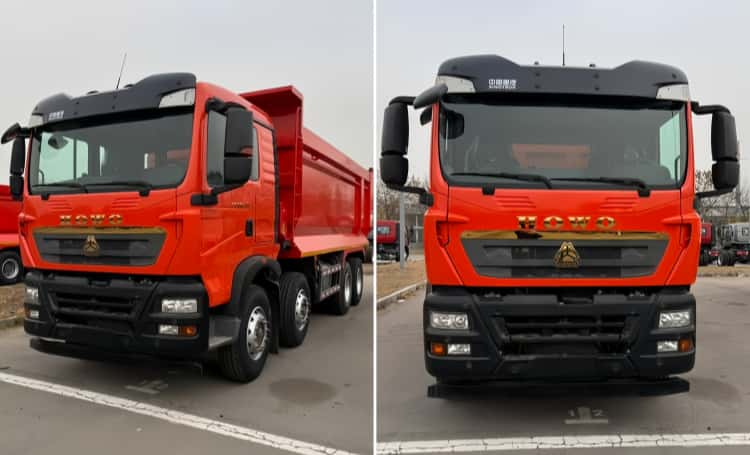
The warranty window is set based on the predictable new service cycle established through whole-vehicles reman. It is defined by clear metrics such as operating months or accumulated mileage, calculated to match the expected service life after lifecycle reset.
This gives fleet planners a reliable baseline for TCO forecasting and maintenance scheduling. Fleets can arrange transport tasks and budget reserves with confidence, instead of facing undefined, short protection windows common for rebuilt or overhauled trucks.
It covers risks tied to reman workmanship and standardised processing
The standard reman warranty protects against defects introduced during the certified reman workflow. This includes issues linked to structural inspection, component restoration, part replacement, assembly torque control, system calibration and vehicle-level testing. It covers failures that stem from non-compliance with the reman standard.
It does not cover damage caused by improper operation, overloading, lack of routine maintenance, accidents or unapproved modifications made after delivery. These boundary rules are clearly stated so fleets understand the scope of responsibility.
It is backed by complete vehicle traceability records
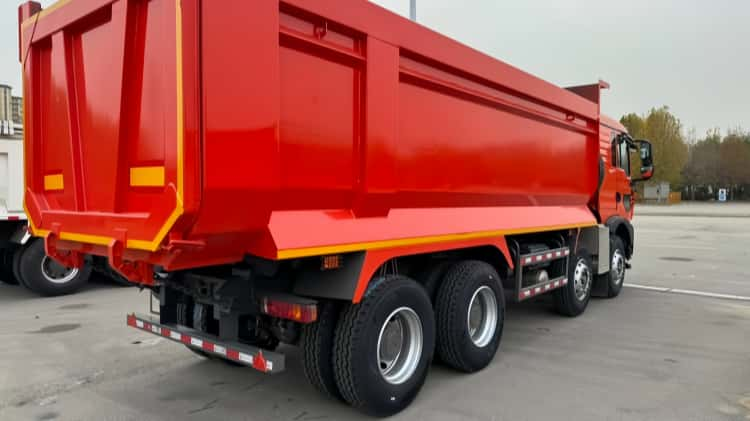
A valid standard reman warranty cannot be separated from the truck’s full traceability file. Every structural inspection log, component grading record, replacement checklist, calibration report and final vehicle test data is tied to the chassis ID.
If a claim occurs, auditors and service teams can trace back every decision made during vehicles reman. This avoids vague disputes: it can be verified whether the issue relates to reman process, or to later in-fleet usage. Traceability makes the warranty enforceable and transparent.
It supports consistent fleet operation and emergency response
For fleets running continuous transport missions, downtime directly creates cost. The standard remanufacturing warranty includes defined service support terms for the whole vehicle. When a covered fault appears, the support targets restoring the integrated truck to its validated operating state, not just patching one broken part.
This aligns with how reman is designed: keeping the complete system balanced. Many warranty packages also include structured troubleshooting and repair coordination to shorten vehicle downtime.
It carries a clear distinction from aftermarket or used-truck warranties
Fleets need to recognise the difference between a standard remanufacturing warranty and other common coverage types. A used truck warranty is usually narrow, short and excludes most latent wear. An overhaul warranty often only covers the specific assembly worked on.
A certified reman warranty is purpose-built for a lifecycle-reset vehicle. It is a signal that the supplier takes accountability for the full-vehicles reman outcome, as required by REMAN ROAD standards.
REMAN ROAD’s position on reman warranty
REMAN ROAD defines the baseline expectations for a standard remanuafcturing warranty at vehicle level. It requires warranty terms to be openly documented, paired with traceability, and tied to the full-vehicles reman standard. This prevents suppliers from marketing limited part-level coverage as full reman warranty, helping global fleets avoid procurement traps.
Closing Summary
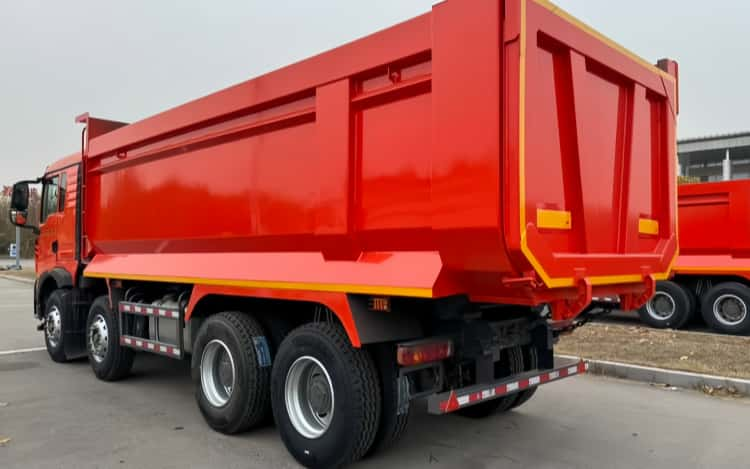
A standard reman warranty for heavy trucks delivers whole-vehicle protection, with coverage aligned to the truck’s reset lifecycle. It safeguards against workmanship and processing defects from the certified reman workflow, supported by the complete traceability record of the vehicle. For fleets, this warranty is not just after-sales protection. It is a tangible commitment to the safety, reliability and predictable TCO of the certified reman asset.