Core Steps of Heavy Truck Remanufacturing: Full Disassembly & Non-Destructive Testing
Introduction
Many buyers mistakenly think heavy truck remanufacturing only involves replacing a few worn parts and repainting the truck cab. In genuine industrial reman workflow, full disassembly and non-destructive testing (NDT) are the two non-negotiable foundational phases. These reman workflow separate certified reman truck from superficial workshop refurbishment.
Full disassembly unlocks access to every hidden component, while NDT detects invisible metal fatigue and cracks that visual inspection cannot find. Without these two processes, reman quality claims cannot be verified. This article breaks down the workflow, objectives and key rules of these core reman workflows.
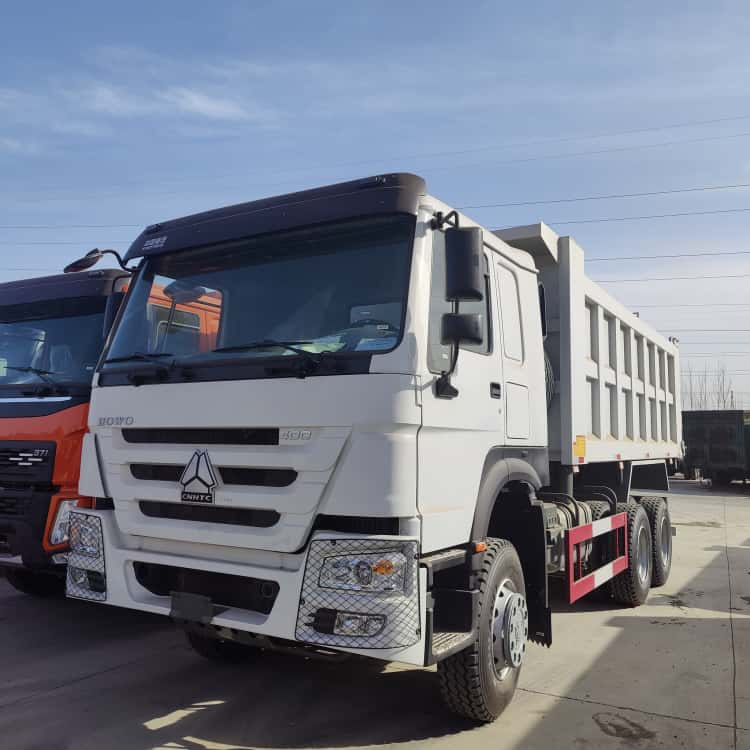
Full Disassembly: Strip the Entire Vehicle Down to Individual Components
Full disassembly means taking the whole heavy truck completely apart, separating chassis, powertrain, cab, axle assemblies and all small fittings. It is not partial teardown of only obvious faulty parts.
Pre-teardown assessment & marking
- Before disassembly, technicians record the VIN, original assembly status, and take reference photos of every connection point.
- All hoses, wiring harnesses, fasteners and component serial numbers are labeled for traceability.
- The team grades the incoming core. If the chassis suffers irreversible major damage, the core is rejected before disassembly starts.
Systematic component separation
- Remove upper assemblies first: mixing drum, tipper hydraulic cylinder, fuel tank, air tanks and cab.
- Dismantle powertrain: engine, gearbox, clutch, transmission and drive shafts.
- Strip the chassis frame: axles, suspension, brake assemblies, steering and wheel hubs.
- Every bolt, bearing, gasket and sealing component is removed individually. No subassemblies remain untouched.
Industrial deep cleaning of all stripped parts
- All disassembled components go through high-pressure washing, chemical degreasing and sand blasting when required.
- Rust, oil sludge, carbon deposits and construction debris are fully removed.
- Clean surfaces are mandatory for accurate inspection. Dirty parts hide cracks, wear and corrosion, making later NDT ineffective.
Workshop refurbishment skips full disassembly. They only open visible faulty assemblies, leaving hidden internal wear and frame defects untouched.
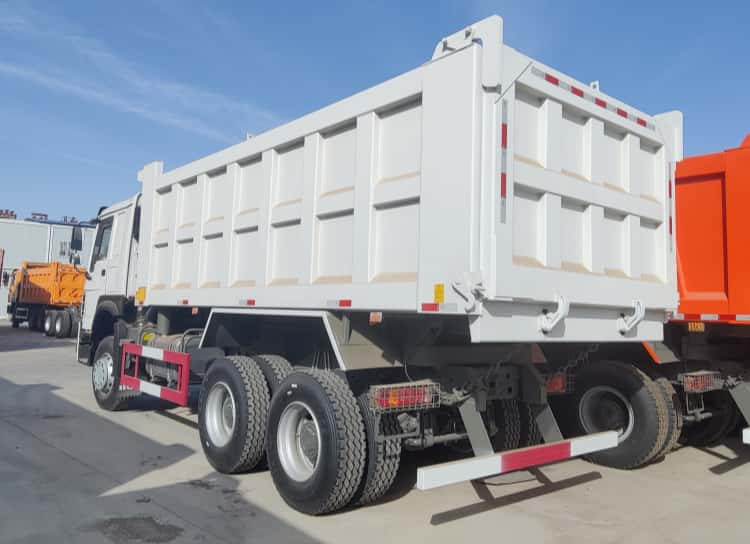
Non-Destructive Testing (NDT): Detect Hidden Defects Without Destroying Parts
After cleaning, critical load-bearing metal components enter NDT inspection. NDT is the quality safety gate for reman truck. It identifies invisible fatigue cracks and material damage that naked eyes cannot see.
Which key components receive NDT inspection
- Main chassis frame and frame cross members (highest priority item)
- Axle housings, steering knuckles, suspension brackets
- Engine block, crankshaft, connecting rods, gearbox cast housings
- Welded joints of load-bearing structures such as mixer drum support brackets
Common NDT methods applied in heavy truck remanufacturing
- Ultrasonic Testing (UT): Detects internal deep cracks and material voids inside thick steel frame beams.
- Magnetic Particle Testing (MT): Finds surface and near-surface cracks on ferromagnetic metal parts like axles and crankshafts.
- Dye Penetrant Testing (DPT): Reveals tiny surface cracks on cast and machined metal components.
- Visual enhanced inspection: High-magnification examination for corrosion, pitting and surface deformation, used alongside NDT.
Part grading decision after NDT
Three outcomes are defined after NDT inspection:
- Passed: No cracks or excessive metal fatigue. The component can stay in the reman workflow after machining and polishing.
- Repairable: Minor defects can be fixed by welding or machining, then re-tested to confirm integrity.
- Rejected: Critical cracks or severe fatigue. The component must be scrapped and replaced with qualified spare parts, cannot be reused.
A core difference from refurbishment: cosmetic repair never performs NDT on frame and load castings, so invisible cracks remain as a severe safety hazard.
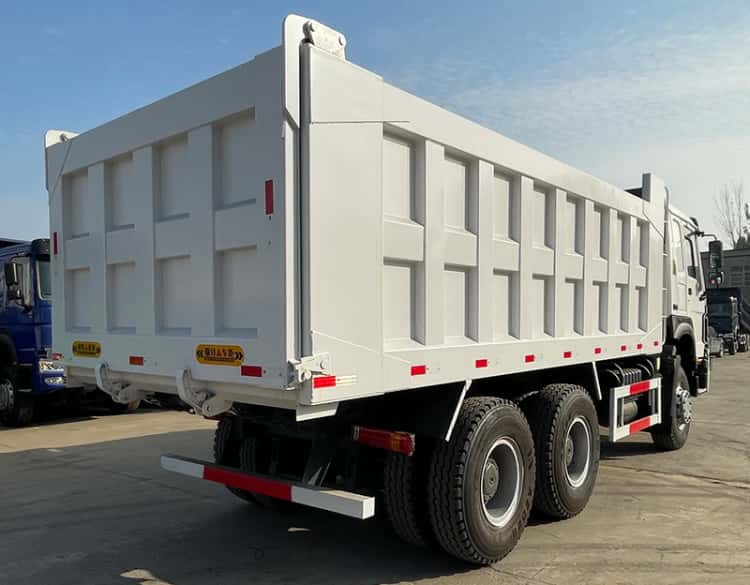
How These Two Steps Support Subsequent Reman Workflow?
Full disassembly and NDT are not isolated operations; they determine all follow-up reman decisions.
- Disassembly + cleaning allows inspectors to evaluate every single part, rather than guessing component condition from outside.
- NDT results define which high-value metal parts can be retained, and which must be discarded.
- The inspection findings are logged into the VIN-linked digital traceability dossier, including NDT test reports, photos and grading records.
- Bench testing, part replacement, reassembly and final road test all rely on the baseline data captured in these two phases.
Common Misunderstanding About Full Disassembly and NDT
Many buyers hold wrong assumptions about these two core reman workflow steps:
- Misconception 1: “If the truck looks good externally, full disassembly is unnecessary.” Heavy truck frames develop fatigue cracks under repeated heavy vibration, which do not show on the outside until failure.
- Misconception 2: NDT is just a simple visual check. Visual inspection only sees surface damage. NDT detects internal cracks hidden deep inside thick steel structures.
- Misconception3: All remanufacturers perform NDT automatically. Fake reman and workshop refurbishment skip NDT entirely. NDT is only mandatory under formal industrial heavy truck remanufacturing standards.
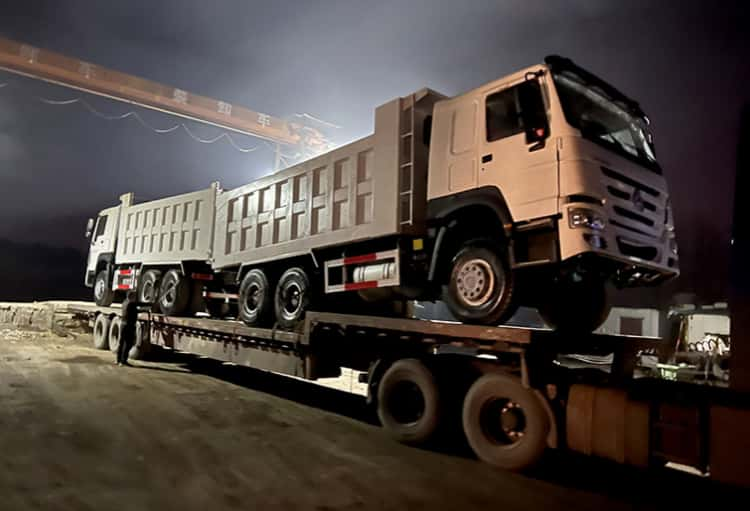
Quality Control Gate: No Passed NDT = No Reassembly
Standard remanufacturers enforce strict quality rules:
- Any load-bearing component failing NDT cannot be installed back on the truck.
- All NDT reports are archived and bound to vehicle VIN for third-party audit.
- If the main frame fails NDT, the whole core chassis is discarded and will not proceed to reman assembly.
This hard rule prevents unsafe assets from being delivered to fleet buyers.
Conclusion
Full disassembly and non-destructive testing are the foundation of trustworthy heavy truck remanufacturing.
- Full disassembly strips the vehicle completely, cleans all components, and exposes every hidden part for inspection.
- NDT technology finds invisible metal fatigue and cracks on load-bearing assemblies, eliminating catastrophic safety risks before reassembly.
These two reman workflow are what separate genuine certified reman truck from painted, unrepaired refurbished vehicles. For fleet procurement teams, verifying that a supplier completes full disassembly and NDT is the first critical check to confirm genuine industrial heavy truck remanufacturing quality.