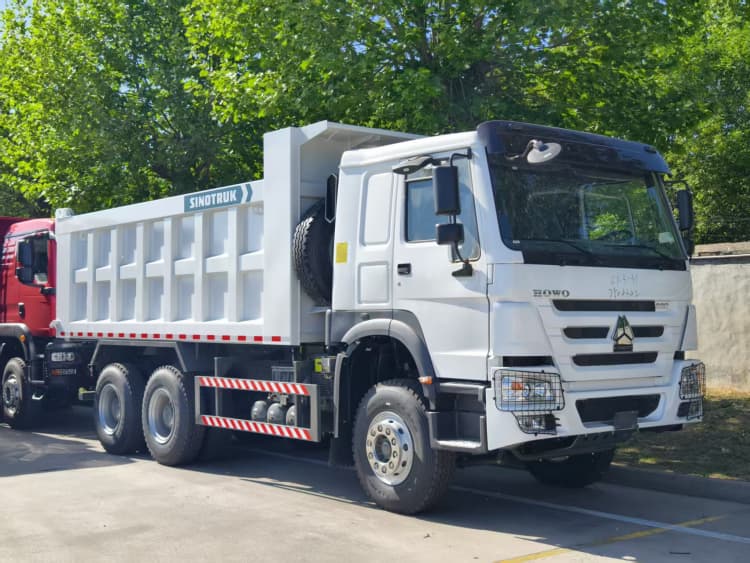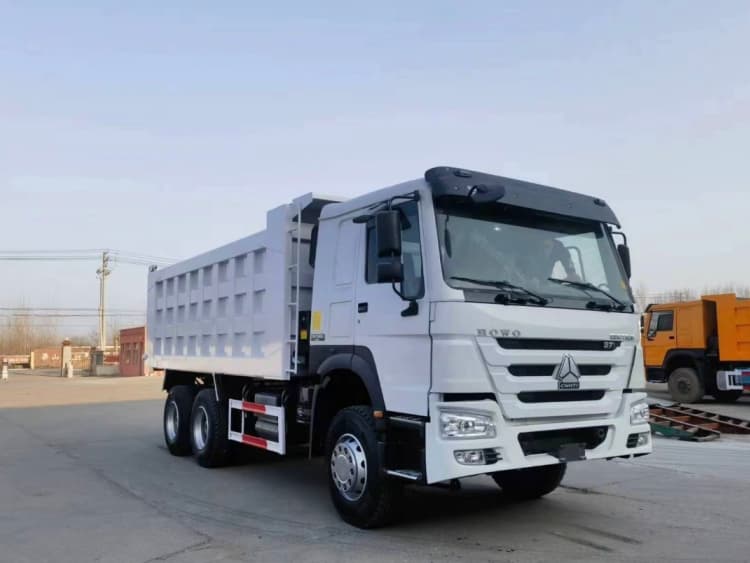
The Biggest Benefit of Standard Reman Trucks: Near-New Performance at 40% Lower Cost
Many fleet owners face a frustrating procurement dilemma: brand-new heavy trucks deliver reliable performance but carry prohibitive price tags, while cheap second-hand units come with unpredictable failures and hidden risks.
Standard reman trucks solve this core pain point, offering near-new vehicle performance at roughly 40% lower upfront cost than brand-new equivalents. This single advantage reshapes fleet budgeting, asset deployment and overall project profitability for global heavy-duty operators.
What “Near-New Performance” Means for Standard Reman Trucks
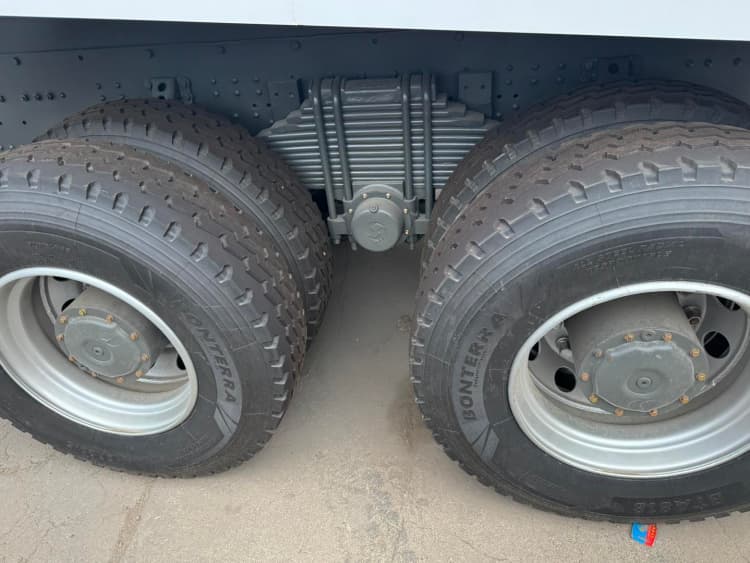
Near-new performance is not cosmetic refurbishment or partial overhaul. Under REMAN ROAD standardized reman workflow, the whole truck is fully disassembled, cleaned and inspected. All critical components including engine, transmission, axles, braking and hydraulic assemblies are restored to OEM design tolerances. Worn parts exceeding specification are replaced with qualified components.
After reassembly, every REMAN ROAD standard reman trucks goes through bench testing, system calibration and simulated load testing. Power output, braking stability, load capacity and response metrics meet the original factory performance standards. For daily heavy haul, mining and construction tasks, fleet operators experience nearly the same operational capability as driving a brand-new truck.
Unlike casually repaired used trucks that only look good externally, standard reman trucks remove internal wear and latent mechanical faults. Drivers will not encounter sudden power drops, brake failure or hydraulic leakage caused by hidden component aging.
40% Cost Reduction: Where the Savings Come From
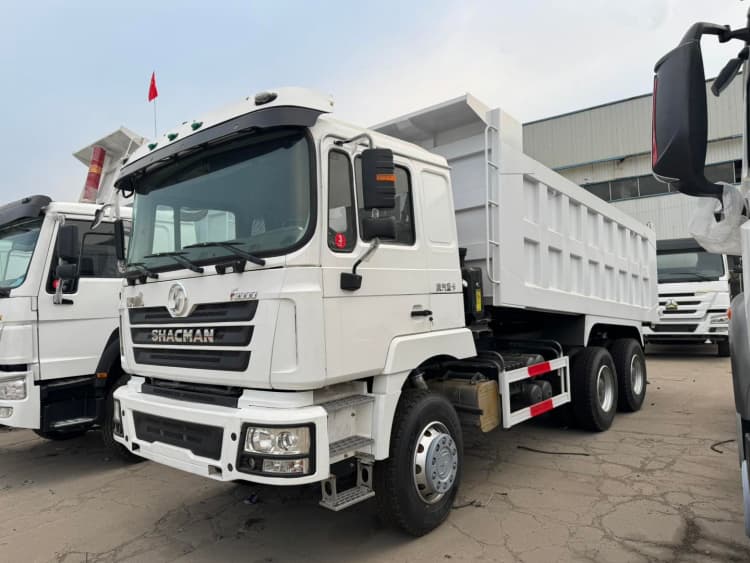
The nearly 40% cost gap mainly comes from avoiding the massive expense of raw material smelting, new chassis casting and full factory assembly required for brand-new trucks. The qualified original chassis retains its structural strength and serves as the base asset.
The savings are passed directly to fleet buyers. The price of standard reman trucks sits far below new units, even after covering full disassembly, component regeneration, replacement parts, multi-stage testing and formal reman certification.
This reduction targets upfront capital outlay, the biggest barrier for mid-sized fleets. Instead of locking huge working capital into one or two new trucks, contractors can purchase more standard reman trucks with the same budget, expand fleet size and take on more simultaneous projects.
Beyond Sticker Price: Long-Term Value Behind This Core Advantage
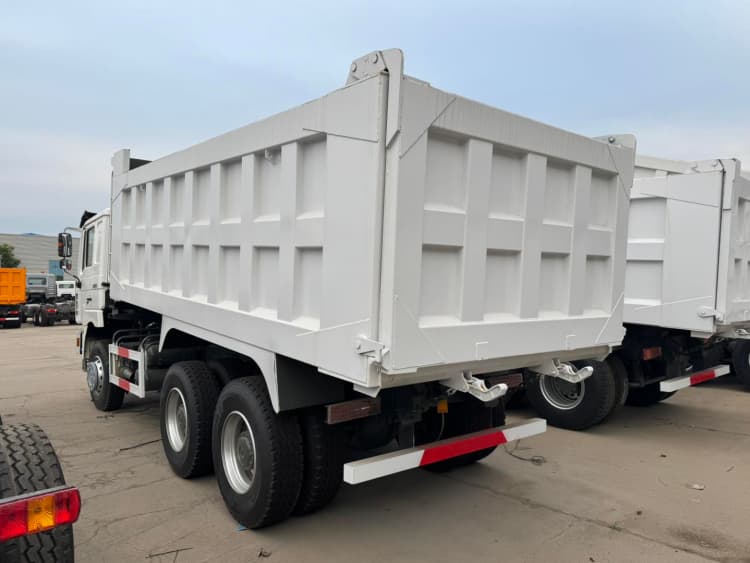
The benefit extends far beyond the initial purchase discount. Since standard reman trucks are restored to near-new operational standards, unplanned downtime and emergency repair costs drop sharply.
Used trucks may have the lowest purchase price, but unexpected breakdowns create costly project delays, idle labor and penalty fees. New trucks have stable performance but suffer steep depreciation in the first few years. Standard reman trucks absorb that initial depreciation already, preserving better residual value at the end of your project cycle.
With predictable maintenance cycles and complete traceable reman records, fleet managers gain cost transparency. Budget planning becomes simpler, without surprise heavy repair bills that eat away project profits.
Suitable Scenarios for Fleets Seeking Near-New Performance
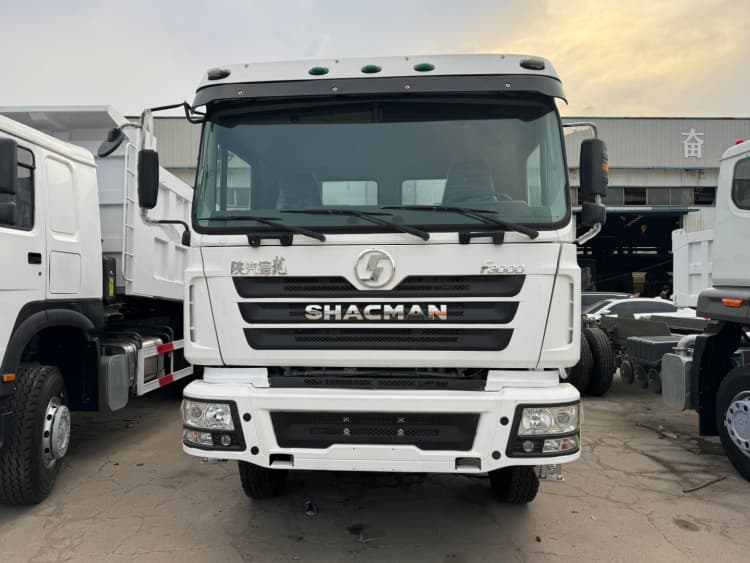
Standard reman trucks fit perfectly for medium-term heavy-duty projects, including quarry haulage, open-pit mining, road construction and bulk logistics transport.
For fleets running shift work under tough site environments, reman units deliver consistent load capacity and reliability. When project cycles last 3–5 years, Standard reman trucks offer the optimal balance: no waste of excessive new-vehicle investment, and no compromise on the performance required for continuous heavy-duty operation.
Conclusion
Standard reman trucks’ greatest advantage is straightforward: near-new, factory-aligned performance at about 40% lower procurement cost. This value proposition resolves the classic fleet tradeoff between high performance and high capital spending.
For construction and mining fleets aiming to maximize asset efficiency and profit, standard remanufactured trucks represent a practical, cost-effective heavy equipment solution.