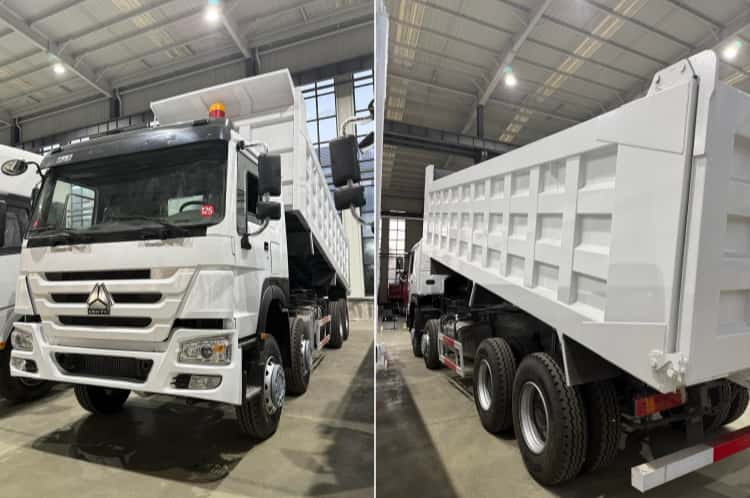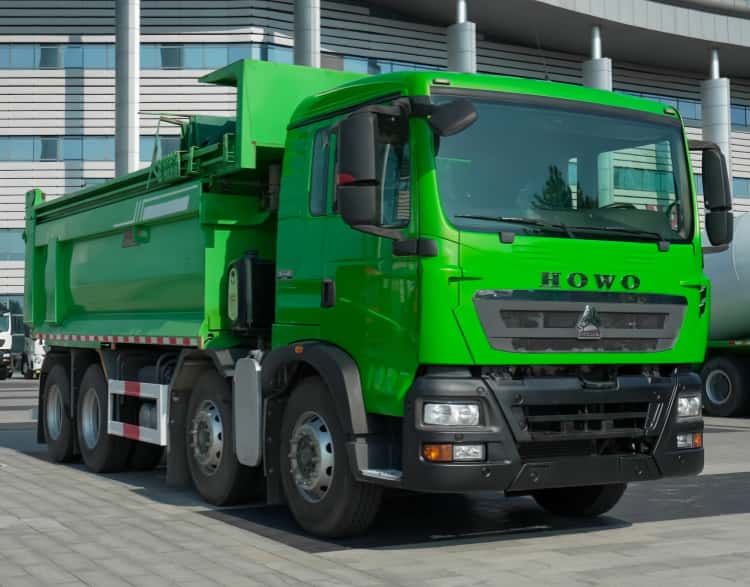
An Introduction to Heavy Vehicle Remanufacturing Standards by REMAN ROAD
Introduce
The global heavy vehicle remanufacturing landscape has long been fractured by inconsistent definitions and uneven practices. Repair, overhaul and cosmetic refurbishment are frequently labelled as remanufacturing, creating widespread information asymmetry between asset owners, producers, inspectors and capital providers. Heavy vehicle reman sits within this wider industry challenge, where buyers struggle to benchmark quality, verify reliability or quantify the true residual value of second-life assets.
REMAN ROAD is rooted in circular economy principles. It serves as a neutral bridge that aligns all stakeholders across the reman ecosystem. It develops a coherent, auditable foundational logic for heavy vehicle remanufacturing, to resolve market confusion and unlock the full potential of remanufacturing and the broader circular economy.
This article introduces the foundational logic applied to heavy vehicle remanufacturing under REMAN ROAD’s framework, its core evaluation gates, operational boundaries, and how shared criteria create trust across separate parties.
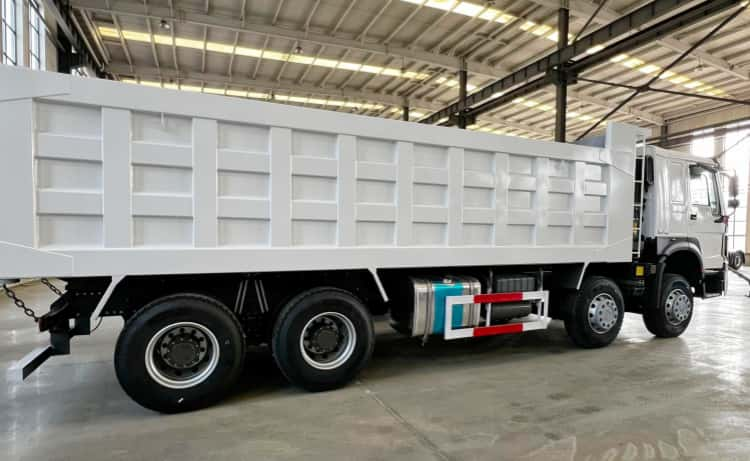
The core logic of heavy vehicle remanufacturing under REMAN ROAD
Within this framework, genuine heavy vehicle remanufacturing is defined as a systematic, industrial lifecycle reset of a qualified core asset. Its purpose goes beyond fixing isolated faults or renewing surface appearance. It restores the asset to a stable, verifiable second-life baseline while preserving the original design margins engineered into the equipment.
Several common market activities are clearly distinguished from heavy vehicle remanufacturing:
- Cosmetic reconditioning that only addresses surface defects
- Component-only overhaul without full system assessment
- Patchwork assembly built from mismatched, unvetted donor parts
The framework treats heavy vehicles as integrated dynamic systems. The performance of frame, axles, braking, hydraulics, cooling and electronic controls are interdependent. Isolated component upgrades cannot deliver the balanced reliability expected from true heavy vehicle remanufacturing.
The sequential gated evaluation workflow
These gates form the enforceable backbone of the framework. No gate can be bypassed during assessment. Any core that fails a gate will be diverted out of the reman workflow, toward component harvesting or responsible recycling.
- Core qualification and fatigue screening Before disassembly begins, the core undergoes a full review of service history, overload records, prior accidents and structural modifications. Dimensional inspection rules out permanent deformation. NDT scanning targets high-stress zones prone to fatigue accumulation. The fatigue assessment produces a formal pass-or-fail outcome. Cores with irreversible material fatigue are rejected.
- Full disassembly and component grading Complete teardown is required for system-level assessment. All subassemblies, fasteners, seals, bearings and wiring are separated, cleaned, inspected and tagged against the asset’s unique identifier. Components fall into three defined categories: regenerable within original dimensional tolerances, mandatory replacement regardless of visible condition, or condemned for scrap. This removes hidden risks carried by uninspected retained parts.
- Controlled regeneration and component governance Machining for reusable components comes with strict limits on material removal, to prevent erosion of structural safety margins. Replacement components must match the original material grade and heat-treatment specification. Aftermarket parts are approved only after independent validation, not based on fit alone. Any harvested reused parts require separate compatibility checks for the specific system.
- System-aligned reassembly and calibration Reassembly follows OEM torque sequences and clearance specifications. Beyond mechanical fit, the framework prioritises system harmony. Powertrain, cooling, braking, hydraulics and electronic controls are calibrated back to original design intent. Balance across subsystems is tuned to avoid uneven load distribution and accelerated wear.
- Loaded end-of-line validation A static startup or brief road run is insufficient. Validation is carried out under simulated operational load. Inspectors log peak temperatures, pressure stability, leak performance, vibration signatures and fault codes. This confirms the whole integrated vehicle operates within its design envelope, rather than only proving individual parts function.
- Locked traceability Traceability is a foundational requirement. Every inspection record, dimensional measurement, machining log, part serial number, calibration snapshot and validation result is linked permanently to the asset identifier. The full audit trail is retained throughout the second life and available for independent review. A standalone summary certificate is not accepted as complete evidence.
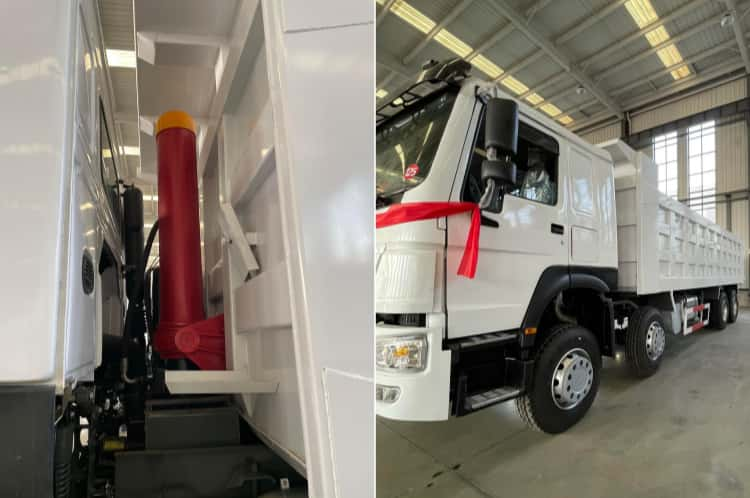
Duty classification: transparent operational boundaries
A built-in feature of the framework is duty-cycle classification. A remanufactured vehicle with verified residual safety margin does not carry the full factory safety reserve of a brand-new unit. Each heavy vehicle is assigned a clear approved operating envelope, including payload, terrain and cyclic-load expectations.
Deployment outside this defined envelope rapidly consumes remaining structural margin and compromises the asset’s certified baseline. This boundary creates realistic expectations for fleet operators and asset managers.
Independent verification and stakeholder alignment
Independent third-party verification is one of the supporting mechanisms of this framework. It helps uphold neutrality, avoiding self-attestation by production workshops alone.
As a bridge connecting stakeholders, REMAN ROAD brings remanufacturers, asset operators, inspection bodies, financial institutions, insurers and recycling partners onto the same shared language. The unified logic removes information gaps, so each party can evaluate risk, reliability and residual value from the same set of rules. This alignment also supports credible ESG accounting for circular asset deployment.
Scope boundaries of the framework
This foundational logic is built for system-level heavy vehicle remanufacturing. It does not apply to routine fault repair, ad-hoc component overhaul or surface-only refurbishment. It cannot reverse irreversible material fatigue, which sets a hard engineering limit for any eligible core.
While the framework is universal for heavy vehicle remanufacturing across asset types, its technical implementation adapts to the unique failure modes, material characteristics and operating demands of heavy vehicles.
Value for heavy vehicle fleets and asset owners
For fleet teams, the shared framework provides a consistent benchmark to compare tenders and assess suppliers on like-for-like scope, rather than only upfront price. Financiers and insurers gain a predictable risk baseline from the traceable audit trail, supporting clearer financing and insurance terms. Over the asset’s second life, the framework supports reliable TCO forecasting, scheduled maintenance planning and more predictable residual value transfer.
Closing thought
REMAM ROAD’s foundational logic for heavy vehicle remanufacturing establishes a shared, auditable baseline to resolve long-standing market fragmentation. As a neutral bridge across all ecosystem participants, it turns heavy vehicle remanufacturing from an ambiguous marketing label into a measurable, trustworthy asset class. For heavy vehicle fleets and the wider circular economy, this unified logic creates the conditions for fairer risk assessment, greater trust and sustainable value capture across second-life assets.