
Remanufactured Truck vs Refurbished Truck: What Is the Real Difference in 2026
Remanufactured Truck vs Refurbished Truck Introduction
A common pitfall for African fleet owners, mining contractors and logistics operators is confusing remanufactured trucks with generic refurbished trucks. Many unscrupulous suppliers disguise superficially repaired, worn-out old trucks as remanufactured units to win sales. In reality, the two vehicle types feature fundamental differences in manufacturing standards, mechanical reliability, long-term performance and investment value. For businesses chasing sustainable fleet profits, telling remanufactured trucks apart from ordinary refurbished trucks is critical to cutting downtime losses and lowering overall operational costs.
This guide breaks down the essential gaps between industrial-grade remanufactured trucks and cosmetically refurbished trucks, helping international buyers steer clear of inferior vehicles and select durable, qualified heavy trucks tailored for Africa’s harsh high-temperature, dusty and rugged road conditions.
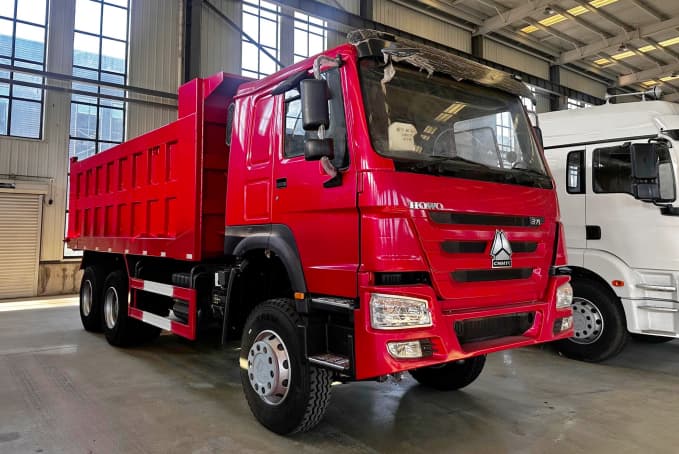
Core Definition & Production Standard Gap
Refurbished Truck (Ordinary Renovation)
Truck refurbishment is a shallow cosmetic and minor repair process with no standardized industrial protocols. Most local repair workshops only clean vehicle exteriors, repaint faded body panels, replace visibly broken parts and fix obvious functional faults to make the truck drivable temporarily. No full vehicle disassembly, component inspection or defect screening is conducted throughout the process.
The sole goal of truck refurbishment is to improve visual appearance and basic usability. Severe internal issues including core component wear, metal fatigue, aging sealing parts and latent hydraulic system faults are fully retained. Without unified industry specifications, refurbished truck quality relies entirely on manual craftsmanship, resulting in unstable performance and unpredictable service life.
Remanufactured Truck (Industrial Remanufacturing)
Truck remanufacturing is a rigorous industrial-grade remanufacturing workflow, following standardized 11-step full-vehicle regeneration specifications. Every truck is completely disassembled bolt by bolt, with all components professionally cleaned, inspected, graded and tested to eliminate potential mechanical risks from the source.
All worn, aging and fatigued parts are fully replaced with OEM-matched brand-new accessories. The three core assemblies (engine, gearbox, drive axle) undergo strict magnetic particle flaw detection, dynamic balance calibration and load pressure testing. These standardized factory procedures enable remanufactured trucks to deliver near-new performance, power output and operational stability — a world apart from superficially refurbished trucks.
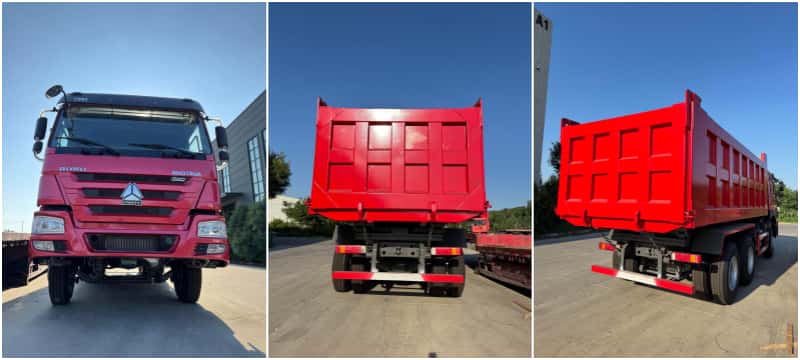
Operational Stability & Failure Risk Comparison
Hidden Risks of Refurbished Trucks
Refurbished trucks expose severe hidden mechanical risks under Africa’s harsh working conditions, including heavy-load mining operations, muddy unpaved roads and long-distance cross-border freight. Reserved aging internal components easily trigger frequent malfunctions such as engine oil leakage, transmission slipping, drive axle abnormal vibration and hydraulic system failure within 3 to 6 months of formal operation.
For fleet operators, the biggest drawback of refurbished trucks is not their low purchase price, but the devastating unplanned downtime losses. Sudden on-site breakdowns delay engineering projects, reduce fleet attendance rates, and incur excessive emergency maintenance and parts replacement costs that far exceed vehicle savings.
Stable Performance of Remanufactured Trucks
Industrial remanufactured trucks fundamentally eliminate latent mechanical faults through full disassembly overhaul and component renewal. The power system optimization, chassis reinforcement and hydraulic system debugging are all customized to adapt to Africa’s high-temperature, dusty and bumpy road environments. Multiple rounds of road tests and heavy-load calibration ensure consistent power output and long-term stable operation in high-intensity working scenarios.
Statistically, remanufactured trucks reduce mechanical failure rates by over 80% compared with ordinary refurbished units, effectively guaranteeing continuous fleet operation, minimizing downtime losses and maximizing long-term transportation revenue for African buyers.
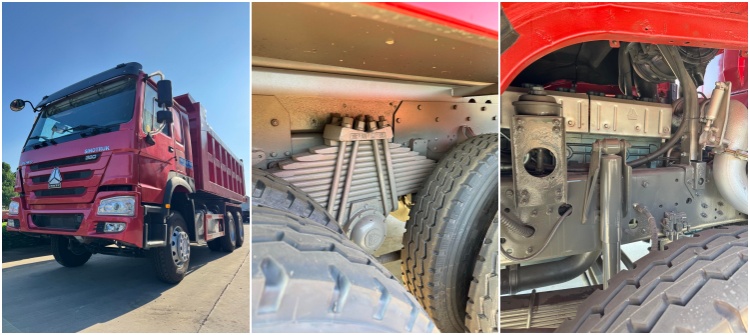
Service Life & Long-Term Investment Value
Refurbished Truck: Short Service Life, Low ROI
Since refurbished trucks only solve superficial vehicle problems without repairing core component wear, their actual service life is extremely limited. Obvious power attenuation, fuel consumption rise and functional aging will occur within one year of use. These vehicles depreciate rapidly and retain almost no residual resale value in the secondary market.
Although refurbished trucks feature low upfront procurement costs, their frequent later maintenance, repeated part replacement and unplanned downtime greatly increase comprehensive fleet operating expenses, resulting in poor long-term return on investment and low operational efficiency.
Remanufactured Truck: Long Lifespan, Cost-Effective Investment
Benefiting from full component renewal and professional factory calibration, remanufactured trucks retain most of the service life and performance of brand-new trucks. With routine standardized maintenance, they can operate stably for 5 to 10 years, featuring slow depreciation rate and high residual value.
Remanufactured trucks perfectly balance the dual advantages of low investment cost of used trucks and stable performance of new trucks. They serve as the most cost-effective and risk-mitigated vehicle solution for medium and large African logistics fleets, mine transportation teams and engineering contractors pursuing long-term stable operation.
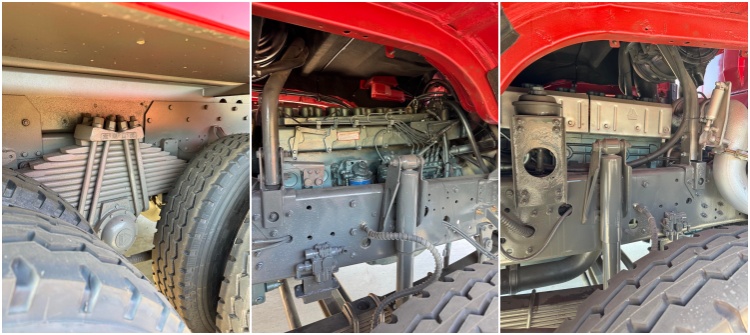
Customs Clearance & Qualification Compliance
Customs clearance and qualification compliance is the most concerned core factor for African cross-border truck buyers. Ordinary refurbished trucks only come with simple delivery receipts, without standardized test reports or official certification documents. When entering African ports, they are highly likely to be detained and inspected, triggering expensive demurrage fees, customs fines and even import failure.
Furthermore, unqualified refurbished trucks cannot provide valid official vehicle qualification files, failing to meet the fleet filing requirements and project bidding standards of local African mining, infrastructure and logistics enterprises, limiting buyers’ business expansion opportunities.
In sharp contrast, every formal industrial remanufactured truck is equipped with complete traceable English inspection archives and official factory remanufacturing certificates. Full-process test records of the engine, gearbox, drive axle and whole vehicle support fast, smooth and compliant customs clearance. The formal qualification documents also qualify the vehicles for local project bidding and official fleet registration in African countries.
Simple Comparison Table: Remanufactured Truck VS Refurbished Truck
|
Comparison Item
|
Refurbished Truck
|
Remanufactured Truck
|
|---|---|---|
|
Production Process
|
Surface painting & simple part replacement
|
Full disassembly, flaw detection & overall renewal
|
|
Core Component Treatment
|
No disassembly, hidden wear retained
|
Three major assemblies fully overhauled & tested
|
|
Failure Rate
|
High, frequent sudden breakdowns
|
Ultra-low, stable long-term operation
|
|
Service Life
|
Short, rapid performance attenuation
|
Long, close to new truck service life
|
|
Customs Documents
|
No complete official certificates
|
Full set of traceable English inspection files
|
|
Applicable Scenarios
|
Temporary short-term small projects
|
Long-term fleet operation, mining & logistics
|
Conclusion
In summary, generic refurbished trucks are merely cosmetically upgraded old vehicles with unresolved latent mechanical faults and zero quality assurance, only suitable for ultra-short-term, low-load temporary construction tasks. In comparison, remanufactured trucks are industrial-regenerated vehicles that reach new truck performance standards, with standardized production processes and complete official qualification certificates.
For African fleet buyers focused on operational stability, cost control and long-term profit growth, remanufactured trucks are the optimal alternative to high-priced new trucks and low-quality refurbished trucks. They effectively avoid investment risks, reduce comprehensive operating costs and maximize the long-term economic benefits of fleet operations.