How Reman Grade Classification Guides Internal Fleet Allocation Strategies?
Introduction
Without formal grading, reman trucks are often treated as interchangeable assets, even though rebuild scope, component upgrades and test thresholds can vary widely. Reman grade classification creates a consistent tiering system, where each grade comes with defined duty envelopes, bench performance standards, warranty terms and expected service life.
These reman grades become the decision framework for internal fleet allocation, guiding managers to assign each reman truck to workloads that match its engineered capability. This prevents overloading lower grade reman trucks and avoids wasting high spec reman trucks capacity on light-duty tasks.
Standardised Grade Definitions Establish Clear Capability Boundaries
Each reman grade classification is documented with fixed criteria: the scope of core replacement, NDT coverage, dynamometer performance thresholds, seal and bearing specifications, and approved operating limits.
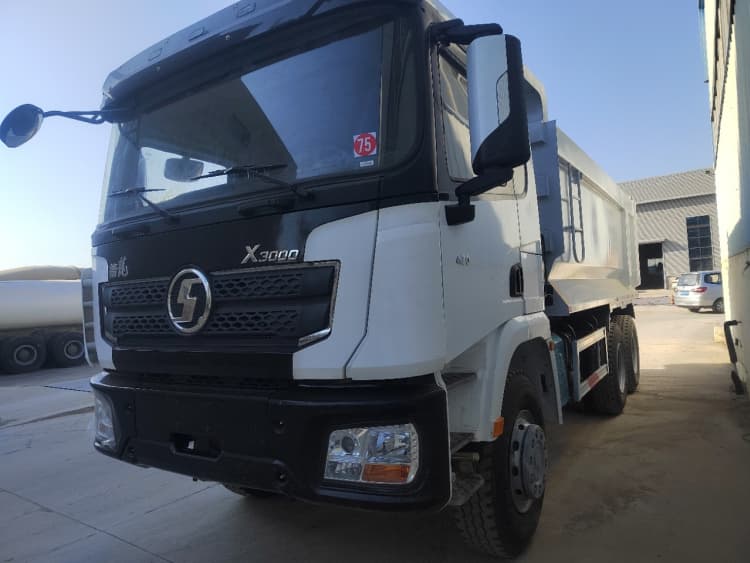
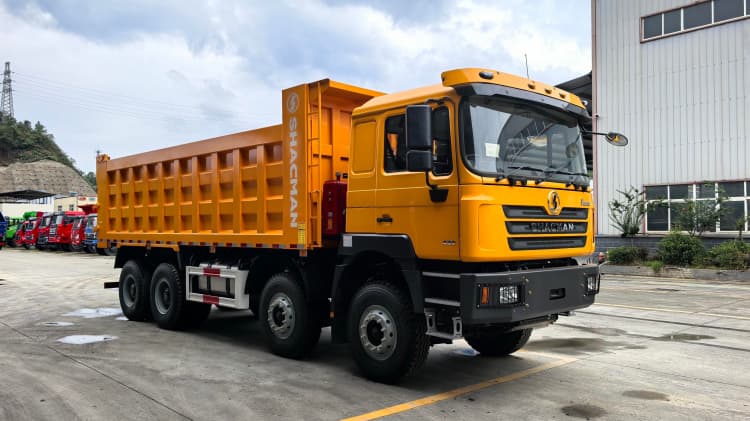
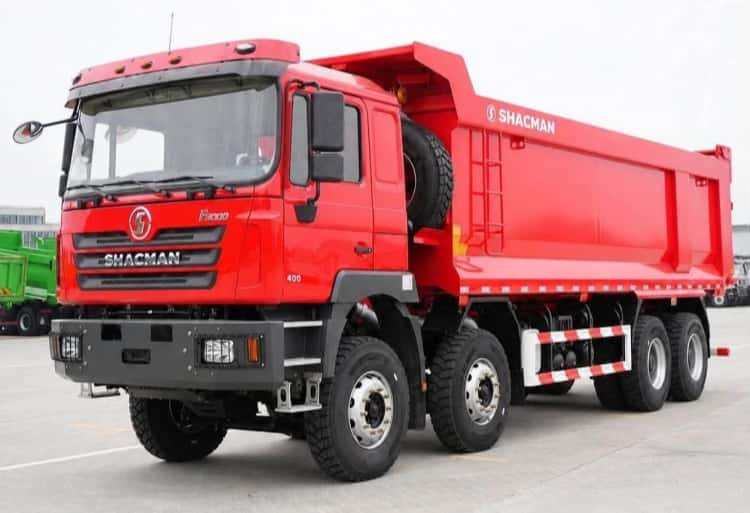
For example, a premium Grade A high spec reman truck may be built for continuous high-tonnage mining pit cycles, while Grade B is suited for medium haul and site support, and Grade C lower grade reman truck serves light, short-cycle shuttle work or standby reserve. Every grade has published MTBF projections and recommended service intervals. This removes subjective guesswork when planning asset deployment.
Grade Matching Eliminates Premature Failure From Misallocation
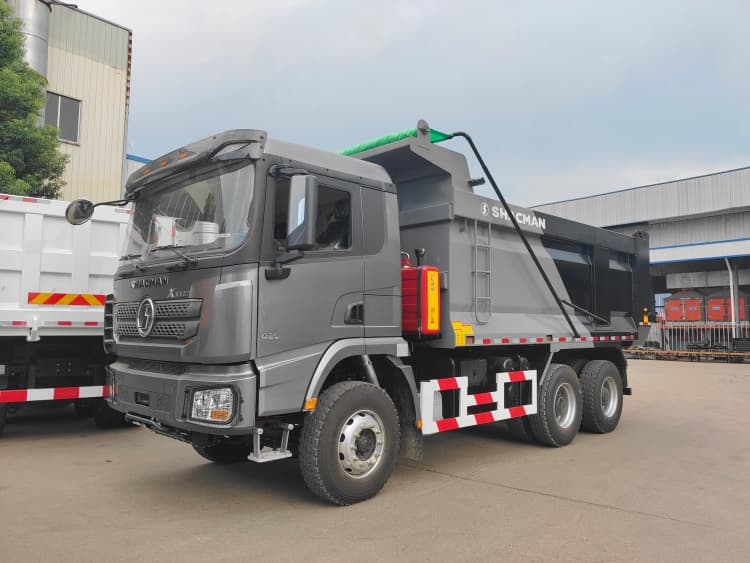
The biggest risk of unstructured allocation is placing a lower grade reman truck into heavy, shock-loaded duty. Its components are not engineered for sustained peak torque, abrasive dust or frequent steep grades, leading to accelerated driveline, brake and cooling-system wear.
By following grade classification rules, planners reserve high spec reman trucks for core production hauling. Lower-grade units are directed to auxiliary roles: material shuttle, yard spotting, standby cover or low-mileage support tasks. This simple matching strategy cuts unplanned downtime and protects the fleet’s overall reliability profile.
Grade-Based Allocation Improves Long-Term TCO Forecasting
Different grade classification carry distinct acquisition costs, maintenance curves and residual value trajectories. When allocation aligns with grade, financial modelling becomes far more accurate. High grade reman trucks have higher upfront rebuild cost but deliver longer uptime in high-value work, justifying their expense.
Lower grade reman trucks have lower entry cost and higher acceptable wear rates, making them economical for less critical assignments. Finance teams can assign grade-specific cost assumptions to each workload, rather than averaging all reman trucks into one blended TCO figure that distorts business-case analysis.
Dynamic Rotation Paths Extend Asset Lifespan Across Graded Duty Streams
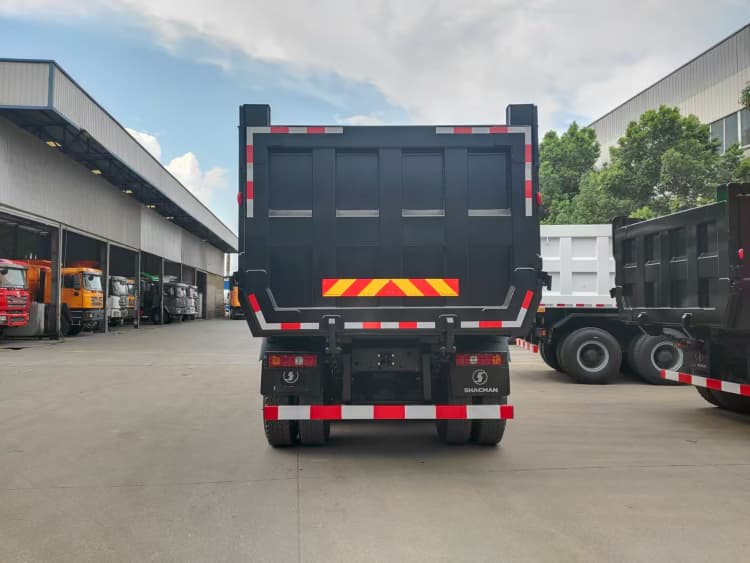
Reman grade classification also supports planned asset rotation. A premium Grade A high grade reman truck can start its life on high-output pit haul, then, after a set service period, be downgraded through inspection and reassigned to medium-duty routes.
Later, it may move to low-intensity yard work before final retirement. This staged duty progression extracts maximum total service life from each asset. Without grading, fleets often keep trucks on the hardest duty until catastrophic failure, throwing away remaining usable service life.
Grade Visibility Simplifies KPI Tracking And Maintenance Planning
Fleet dashboards can segment performance data by reman grade, so managers can compare failure rates, fuel efficiency and repair spend within each tier. If Grade B reman trucks show rising downtime, teams can investigate whether the grade specification is insufficient for the assigned work, or whether maintenance schedules need adjustment.
Maintenance workflows and spare parts kits can also be tiered: high grade reman trucks use premium wear parts and more frequent oil analysis, while lower grade reman trucks follow a simpler, lower-cost service regime. This tiered maintenance model avoids over-servicing and unnecessary expense.
Conclusion: Reman Grading Turns Fleet Allocation From Guesswork Into Strategy
Reman grade classification is not just a quality label for sales purposes. It is an operational tool that guides how fleets distribute assets across different workloads. Matching grade to duty prevents premature breakdowns, extends total asset life, sharpens TCO forecasting and makes KPI reporting more meaningful. For mixed fleets with multiple reman tiers, grading is the foundation of smart, risk-controlled internal allocation.