Why Duty Envelope Consistency Matters Across Reman Factory Partners?
Introduction
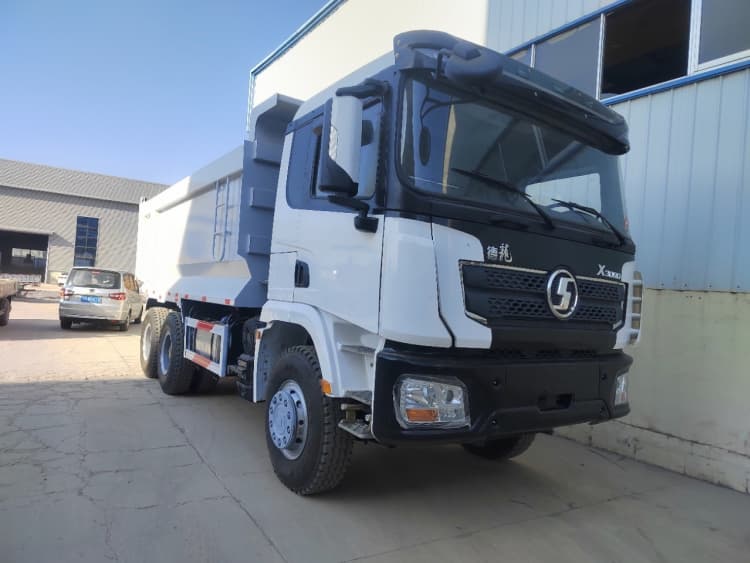
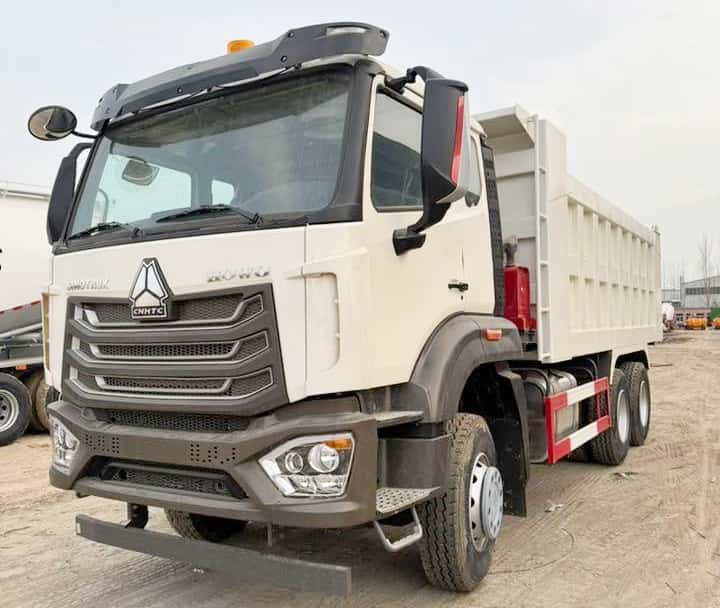
Fleets that scale reman supply often onboard multiple reman factory partners to expand output, diversify lead times and avoid single-supplier risk. A common oversight is allowing each workshop to interpret “heavy duty” differently. Without aligned duty envelope rules, one supplier may build reman trucks for light highway haul while another builds for abrasive mining pit cycles — even against the same model part number.
Duty envelope consistency defines the full operating range the reman truck is engineered to withstand, covering payload, torque, grade, temperature, cycle frequency and shock loading. Aligning these boundaries across all reman factory keeps fleet performance predictable, regardless of which facility rebuilt the truck.
Shared Duty Envelopes Prevent Hidden Performance Mismatch Between Suppliers
The duty envelope sets the formal operating boundary: maximum continuous payload, peak torque, grade capability, start-stop cycle rate, ambient temperature range and allowable shock load. When reman factories follow their own internal standards, two seemingly identical reman trucks can have different fatigue limits.
One may hold up reliably on steep pit haul cycles, while the other develops driveline or brake failures quickly under the same workload. Standardised duty envelope consistency create a common engineering baseline. Every partner builds to the same load and cycle limits, so units are fully interchangeable within the fleet’s operating profile.
Unified Component Selection And Upgrade Rules Follow Duty Classification
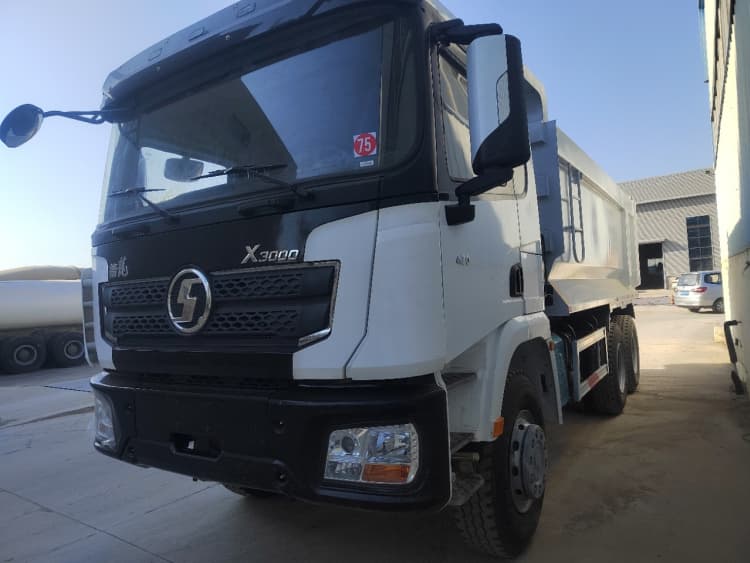
Component grading, replacement thresholds and upgrade packages should tie directly to the published duty envelope. For example, a mining-duty reman specification requires heavy-duty bearings, reinforced seals, high-temperature cooling packs and upgraded brake assemblies. If one reman partner substitutes standard-grade components to cut costs, the unit’s real-world duty capacity drops.
By locking duty envelope requirements into the master remanufacturing benchmark, all reman factory must select parts, clearances and rebuild upgrades that match the assigned duty class. This removes inconsistent bill-of-material choices between different factory partners.
Test Bench Cycles Are Calibrated To The Same Duty Simulation
Bench and dynamometer testing must replicate the fleet’s target duty envelope. If one reman facility runs mild load cycles while another uses aggressive mining load profiles, their pass/fail outcomes are not comparable. Centralised duty envelope guidance defines the test sequence: load ramps, sustained peak torque, thermal soak, cyclic shock and idle intervals that mirror the intended work.
All reman factory partners execute identical test profiles, so validation results are comparable. A pass from one workshop means the same real-world durability as a pass from another.
Simplified Fleet KPI, Maintenance And Training With Consistent Duty Behaviour
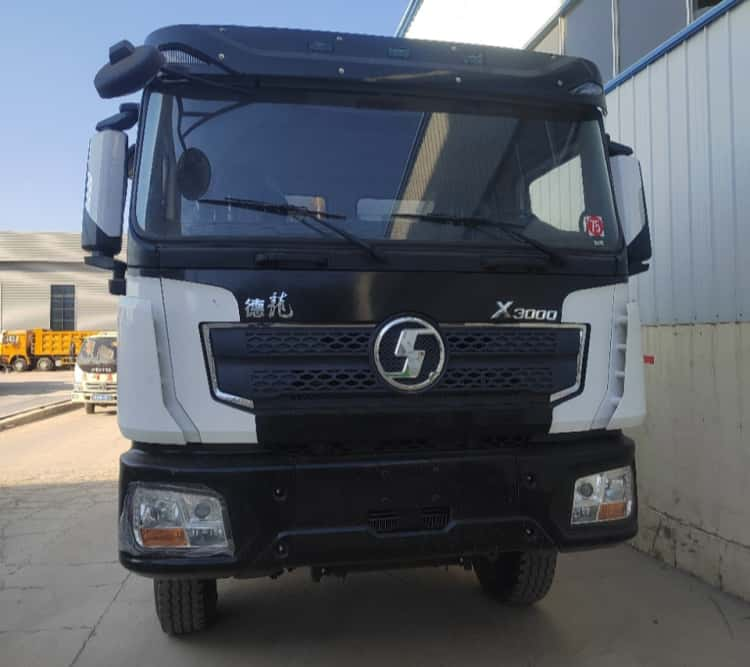
When reman heavy trucks from different factories share identical duty envelopes, they wear at predictable, matched rates. Maintenance planners can apply one service interval schedule, one oil sampling frequency and one wear-part replacement timeline across the whole fleet. Technician training, spare parts stocking and driver expectations stay consistent.
If duty envelopes diverge, fleet KPIs become noisy: higher failure rates from under-spec units skew uptime data, and maintenance teams must maintain separate service playbooks for assets from different suppliers. Consistent duty envelopes preserve clean, reliable fleet analytics.
Clear Contract And Audit Boundaries Reduce Supplier Disputes
Duty envelope alignment becomes a critical contractual control for multi-partner reman programs. The framework agreement states the exact duty class each reman truck is built for, along with supporting test evidence and traceability records. When an asset fails prematurely, the fleet can first verify whether it was operated within the defined duty envelope and whether the supplier’s build complied with that specification.
This avoids disputes where a reman factory claims the truck was only intended for lighter work, while the fleet expected heavy-site capability. Shared duty definitions create a single source of truth for quality audits and warranty claims.
Conclusion: Duty Envelope Consistency Is The Foundation Of Multi-Supplier Reman Scaling
Onboarding multiple reman factory partners is an effective way to scale supply, but it introduces quality drift risk unless duty envelopes are standardised. Uniform duty boundaries align component selection, bench testing, rebuild engineering and acceptance criteria across all workshops. The result is interchangeable reman assets with matching durability and performance, no matter which factory built them.
For large mining and haulage fleets running multi-partner reman programs, duty envelope consistency is essential to protect uptime, control TCO and preserve the value of the remanufacturing benchmark.