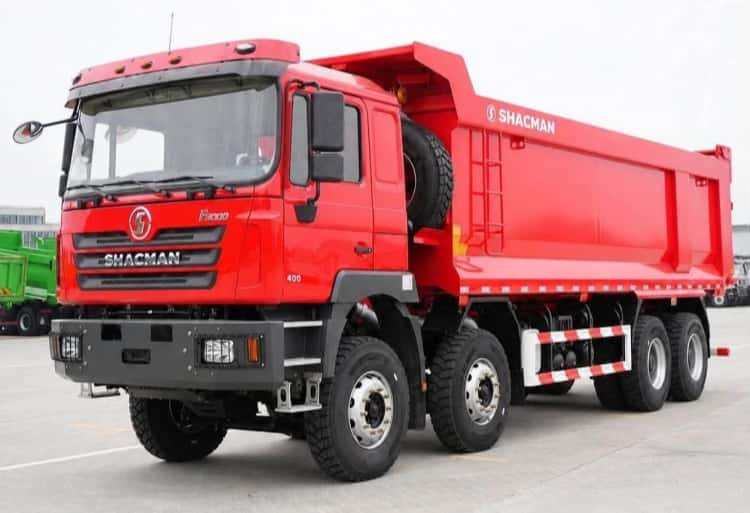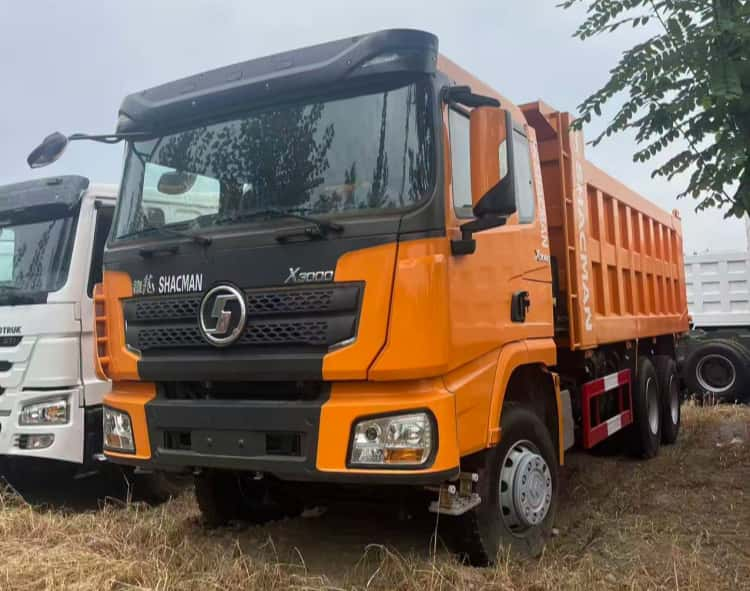
Cross-Border Reman Compliance: Regulatory Checkpoints for Export Fleets
Intro
Exporting certified heavy reman trucks to support cross-border fleets or overseas project sites adds a new layer of regulatory complexity that domestic reman operations do not face.
Unlike brand-new factory vehicles, heavy reman trucks carry a mixed asset history: original build date, reman reset date, component replacements and rebuilt status. Customs authorities, transport regulators and environmental agencies often treat remanufactured trucks differently from both new trucks and ordinary used imports.
REMAN ROAD’s cross-border reman compliance framework establishes repeatable regulatory checkpoints, so fleet buyers can ship circulatable certified heavy reman trucks without unexpected detention, fines or border rejection.
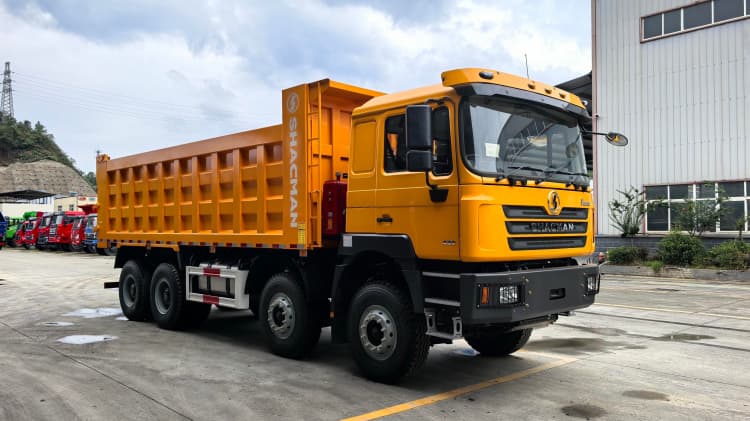
Core Classification Checkpoint: Is It Reman, Used, Rebuilt or New?
The first reman compliance risk is misclassification. Many customs codes do not have a dedicated “heavy reman truck” category. Officials may default to treating the vehicle as a used second-hand truck, which can trigger strict import bans, age limits or quarantine rules.
REMAN ROAD documentation clearly defines the asset status: not new, not casual used, but formally remanufactured under a published standard. The reman compliance package includes a formal statement of scope, listing which assemblies were retained, inspected, replaced and performance-tested.
This classification dossier is prepared in line with the destination country’s customs guidance, to argue for the correct tariff treatment and avoid being lumped into restricted used-vehicle import schedules.
Pre-Export Technical and Inspection Documentation Checkpoint
Border regulators increasingly demand proof of condition before release. A simple sales invoice or photo set is not sufficient. The mandatory documentation package aligned with REMAN ROAD reman compliance traceability includes:
- Full core intake report and calibrated NDT structural audit records
- Component replacement manifest and batch traceability for critical safety parts
- Dyno test, brake performance and road acceptance test certificates
- Duty classification statement and warranty scope
- Equipment calibration certificates for the testing instruments used
This package must be translated and formatted to meet the destination authority’s requirements. Missing test records are the most common reason for cargo holds at port of entry.
Emissions and Powertrain Regulatory Checkpoint
Emissions standards are one of the most frequent rejection points for cross-border reman shipments. Even if the reman engine runs reliably, the original engine family, emission tier and retrofit status must match the import country’s rules. Some markets ban older emission tiers entirely; others allow heavy reman trucks only if the powertrain is upgraded to the local applicable standard.
REMAN ROAD reman compliance workflows flag this early in the project planning phase. If an eligible core cannot be upgraded to satisfy destination emission rules, it is excluded from that export batch. This checkpoint prevents the costly scenario of a truck that passes mechanical testing at home but cannot be registered overseas.
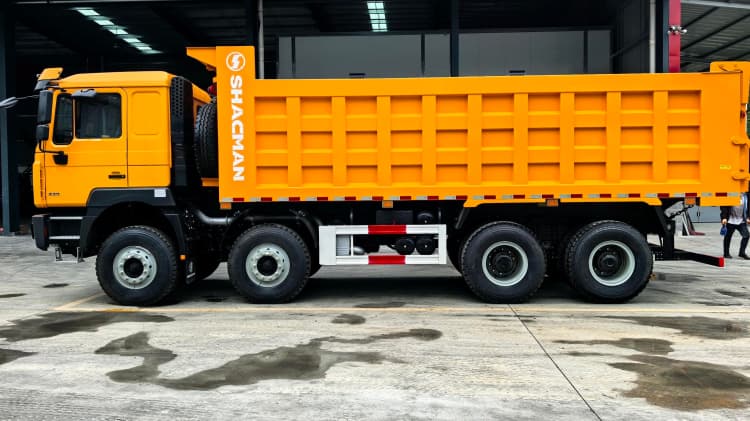
Import Eligibility, Age Limits and Used-Vehicle Import Bans
Many countries enforce rolling age caps on imported used heavy vehicles. The key ambiguity: regulators may calculate age from the original chassis build date, ignoring the reman lifecycle reset. Compliance planning must confirm the local rule definition in advance. Where the destination uses original manufacture date for age control, even a fully certified reman truck may be ineligible.
REMAN ROAD reman compliance teams separate two scenarios: markets that accept certified heavy reman trucks as a distinct asset category, and markets that apply generic used-vehicle restrictions. This checkpoint is completed before procurement and reman work begins, to avoid sinking capital into non-exportable cores.
Safety and Roadworthiness Mutual Recognition Checkpoint
Roadworthiness certification is jurisdiction-specific. A test report accepted in the country of remanufacture may not automatically be recognised at destination. Cross-border reman compliance requires mapping equivalence: verify whether REMAN ROAD acceptance thresholds align with local heavy vehicle inspection rules, or whether supplementary local testing is required after arrival.
Some territories require an in-country roadworthiness inspection before registration. Planning this checkpoint in advance prevents fleets from assuming that the reman certificate alone equals registration approval.
Customs Valuation and Anti-Dumping Checkpoint
Customs valuation creates another risk area. Reman trucks are priced below new trucks but higher than uninspected used trucks. Valuation officers may question the declared value, suspect undervaluation or apply used-vehicle depreciation formulas based on original age.
The reman compliance package supports the declared value with the full rebuild scope, test evidence and certification. It demonstrates the value added through standardised reman process, rather than treating the asset as a low-value scrap-adjacent used truck. This reduces valuation disputes and unexpected duty adjustments.
Traceability and Post-Import Audit Trail Continuity
For fleets that move heavy reman trucks across multiple borders for regional projects, continuous traceability is not just ESG paperwork — it is a compliance requirement. The digital asset passport travels with the vehicle. If the truck is later re-exported, resold or returned for another reman cycle, the full history is available for the next regulator.
This also supports anti-theft and stolen-chassis checks, as each core’s VIN and origin history is logged and verified before export. Regulators in high-risk import markets increasingly require this immutable history to curb grey-market rebuilt vehicles.
Border Exit and Post-Arrival Administrative Sequence
A reliable compliance sequence separates pre-export checks, port exit formalities, transit documentation and post-arrival registration.
- Confirm destination import rules, age bans and emission tiers
- Screen cores and select only units that satisfy destination criteria
- Complete reman, testing and compile the full certified document pack
- Submit pre-arrival notifications where required
- Ship and retain all original test records for post-entry inspection
- Complete local roadworthiness and registration upon arrival
Skipping the pre-screening step is the most expensive mistake, as return freight or forced local recycling costs often exceed the truck’s value.
Boundaries: Certification Does Not Replace Local Law
REMAN ROAD certification provides a globally consistent technical standard, but it cannot override national import statutes. Some jurisdictions have blanket prohibitions on heavy reman trucks, regardless of quality or test results.
The compliance checkpoint framework is designed to identify these hard limits early. In such cases, certified heavy reman truck export is not pursued, and the fleet procurement plan shifts to locally eligible asset options.
Conclusion
Cross-border reman compliance hinges on sequential regulatory checkpoints that resolve the core ambiguity of reman asset status: is it new, used, rebuilt or certified heavy reman trucks? Classification rules, emission tiers, used-vehicle age restrictions, roadworthiness recognition and customs valuation each create potential border barriers.
By mapping these rules before remanufacturing begins and bundling verified test records, calibrated NDT evidence and continuous traceability into the export dossier, REMAN ROAD enables fleet operators to ship circulatable certified heavy reman trucks predictably, minimise port detention and satisfy registration requirements in overseas markets.