The Shift Toward Lifecycle Reset in Global Heavy Vehicle Markets
Intro
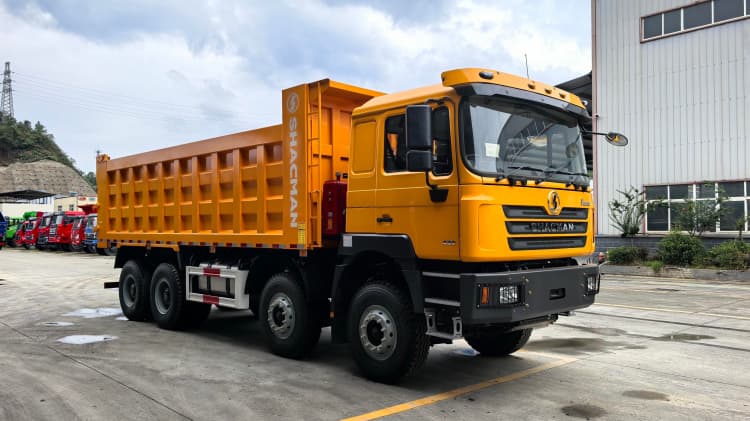
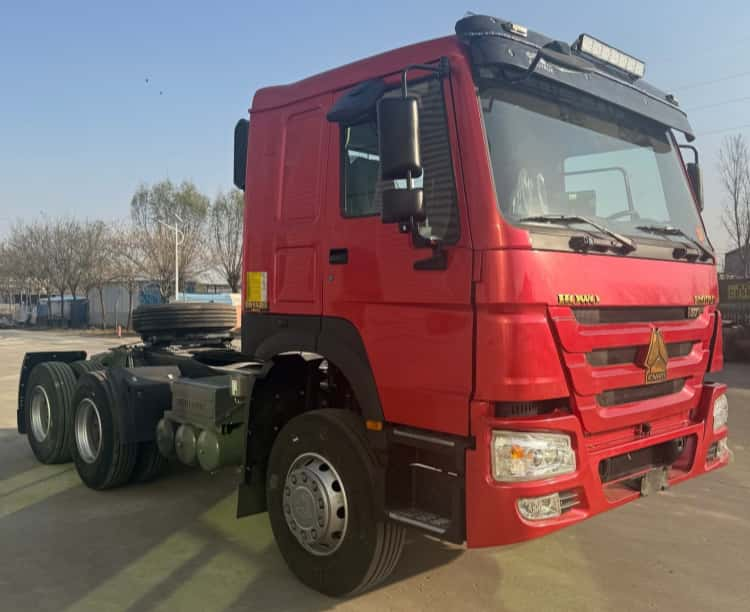
Across Europe, Africa, Asia-Pacific and the Americas, heavy-duty transport markets are moving away from the old assumption that ageing trucks must be scrapped once they finish their first factory service cycle. Lifecycle reset — standardised whole vehicle remanufacturing that restores eligible core trucks to verified performance, safety and warranty benchmarks — is evolving from a regional niche service into a global market shift.
Driven by supply limits, ESG mandates, rising new-vehicle prices and better traceability standards, this trend creates a cross-border asset class: certified reman heavy trucks that can be traded, financed and reported consistently under frameworks such as REMAN ROAD.
Regional Differences That Accelerate Global Adoption
The push for lifecycle reset plays out differently by market. In mature markets, strict carbon reporting, extended producer responsibility rules and high new-truck pricing push large fleets to select reset assets for Scope 3 compliance. In fast-growing emerging markets, limited new truck supply, long import lead times and tight capital budgets make reset heavy trucks a practical route to expanding construction and haulage capacity.
Many African, South Asian and Latin American fleet operators prefer certified reman heavy trucks over unvetted second-hand imports, as standardised test records reduce the risk of hidden structural failures. This mix of sustainability pressure and operational necessity creates shared demand across vastly different market conditions.
New-Vehicle Supply and Cost Pressures as a Universal Driver
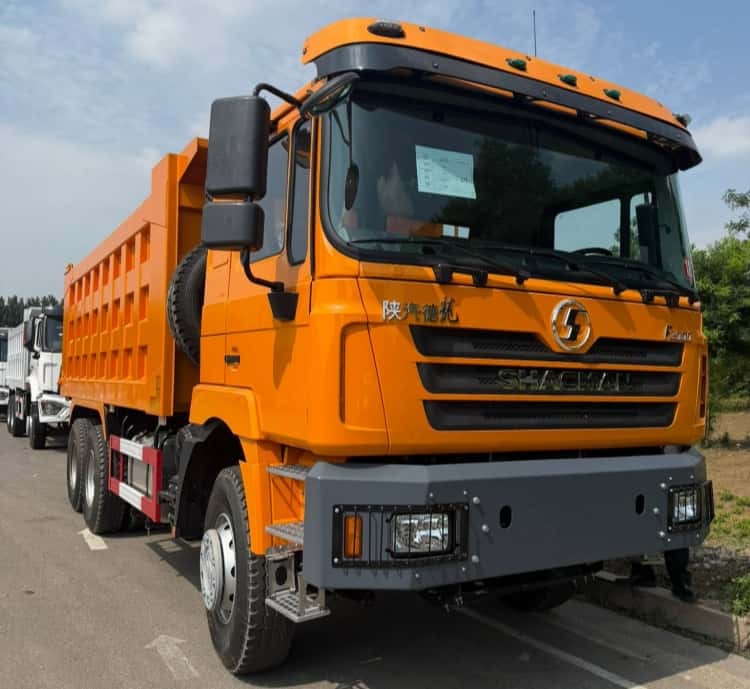
Global heavy truck production continues to face recurring bottlenecks: semiconductor shortages, powertrain component backlogs, currency volatility and long factory lead times. For fleet planners, waiting many months for new chassis can delay project mobilisation and hurt revenue. Lifecycle reset unlocks a local reverse supply chain: retired cores are recovered, screened, rebuilt and released on shorter timelines.
It does not replace new truck production entirely, but it creates a flexible parallel capacity pool that stabilises fleet procurement when OEM supply is tight. This buffer effect is one reason the model is gaining traction with multinational fleet groups and regional contractors alike.
ESG and Carbon Disclosure Rules Align Cross-Border Expectations
Sustainability regulation is converging internationally. Tender requirements, investor ESG criteria and corporate carbon accounting standards increasingly demand proof of circular asset sourcing. A genuine certified reman heavy trucks retains sound chassis and structural frames, avoiding the massive embodied carbon of mining, smelting and manufacturing a brand-new heavy truck.
With REMAN ROAD certified vehicle remanufacturing’s digital traceability, every reset truck carries auditable evidence of NDT inspection, component replacement, dyno validation and final acceptance testing. This consistent documentation works across borders, letting buyers, financiers and auditors recognise the carbon benefit without relying on local, inconsistent refurbishment claims.
Financing and Insurance Markets Learning to Price Reset Assets
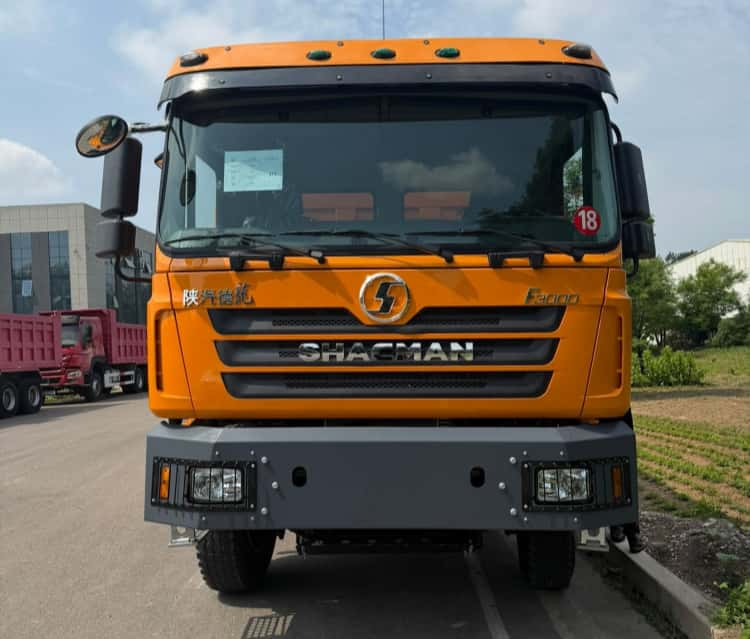
One major barrier to global scaling used to be valuation: lenders and insurers struggled to price trucks based on reman status instead of original build year. That is changing. Standardised lifecycle reset creates a repeatable asset baseline, warranty terms and residual value curve.
Finance teams can model TCO and depreciation with greater confidence, while insurance underwriters can price risk based on recent test results rather than the vehicle’s age. As more financiers accept certified reman heavy trucks as acceptable collateral, the global market for lifecycle-reset assets expands, supporting cross-border trade and project financing.
Traceability and Certification Enable Cross-Border Trade
Informal used truck flows often suffer from incomplete service histories, unknown crash damage and inconsistent inspection. This limits trust and creates border compliance headaches. Lifecycle reset built on unified certification solves this problem.
Each certified reman heavy trucks carries a transferable digital record covering core intake, fatigue testing, overhaul scope, performance thresholds and warranty coverage. When traded internationally, the document trail answers customs, tender and audit questions. This turns reman heavy trucks into a trusted tradable asset class, rather than a risky grey-market import.
Duty Classification Matches Reset Assets to Local Operating Conditions
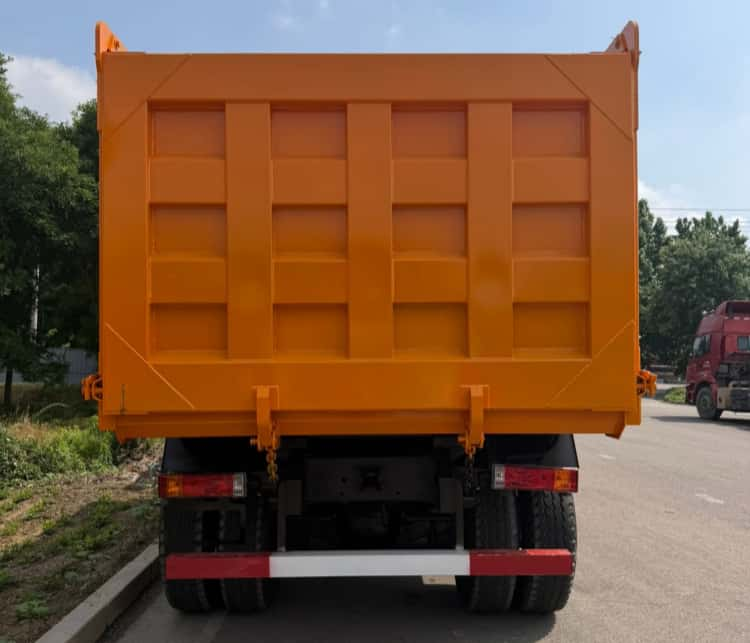
A global reset model cannot apply one operating rule to every region. REMAN ROAD certified vehicle remanufacturing’s duty classification system assigns each rebuilt truck to a suitable workload after reset. Units that pass full structural criteria can be approved for heavy construction cycles, while cores with higher accumulated wear may be limited to lighter, shorter-haul tasks.
This prevents over-deployment in tough environments, reduces premature breakdowns and protects the reputation of lifecycle reset across markets with different road quality, load rules and maintenance support infrastructure.
Boundaries: Not Every Market or Every Core Is Suitable
The global shift does not mean unlimited expansion. Some regions have strict emissions retrofit rules that make certain older cores uneconomical to reset. Some cores with irreparable frame cracks, extensive corrosion or crash damage are permanently excluded from full vehicle remanufacturing and sent to controlled recycling instead.
Clear rejection gates are essential to prevent low-quality rebuilds from undermining certification standards in every market. The trend is about controlled, responsible reuse, not simply extending the life of every ageing truck.
Conclusion
Lifecycle reset is a global market shift because it addresses shared pain points across mature and emerging heavy vehicle sectors: high new-truck capital cost, supply chain fragility, rising ESG reporting requirements and unreliable used-truck risk.
Standardised vehicle remanufacturing, independent performance validation and full traceability create a common language that fleet buyers, lenders and auditors can recognise across borders. As certification frameworks mature, lifecycle reset will continue to grow as a core circular option for global heavy-duty transport.