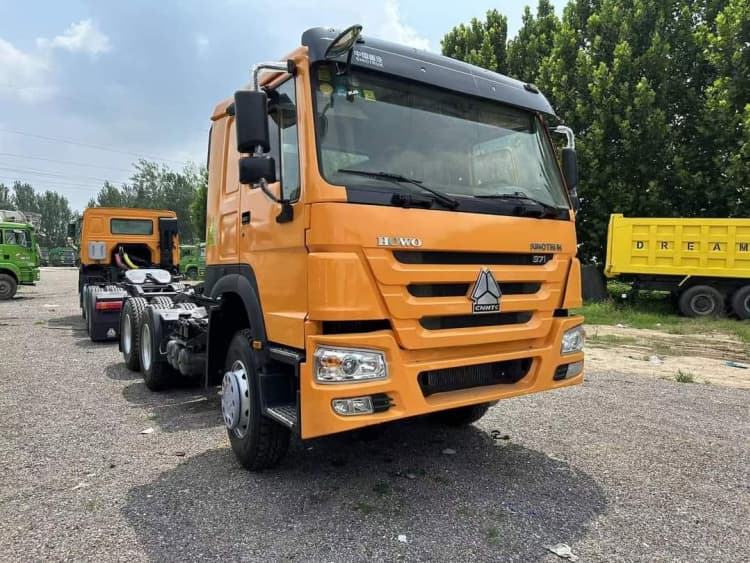
Reman Manufacturing and Circular Economy: Reusing Truck Assets Wisely
Intro
The circular economy rejects the traditional “extract, build, use, scrap” linear model that has long dominated heavy truck transport. At its centre sits qualified reman manufacturing: the systematic reman manufacturing process of recovering end-of-life truck cores, validating remaining usable asset value, replacing worn or failed parts, retesting performance and returning the vehicle to service.
REMAN ROAD’s certified reman manufacturing framework is built on this principle. It is not about salvaging every worn truck; it is about reusing truck assets wisely, preserving embedded material and carbon value only where safety and performance can be reliably guaranteed.
The Core Circular Idea: Preserve Embedded Value Instead of Discarding It
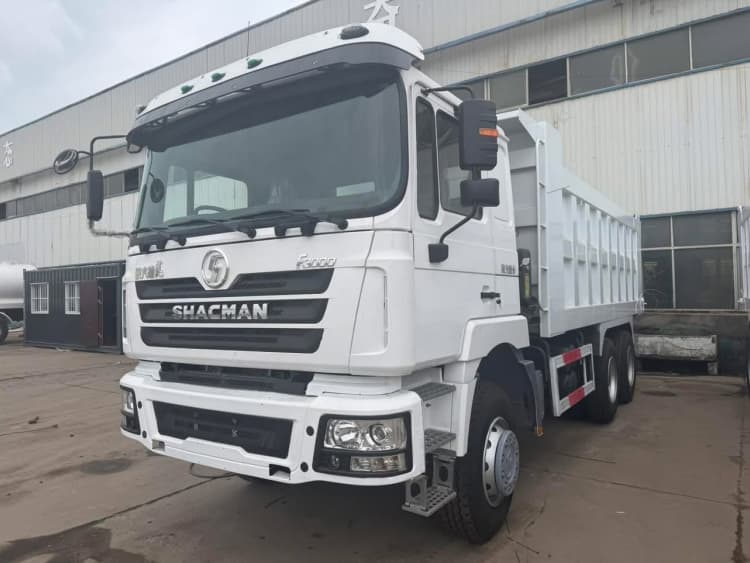
Every heavy truck carries massive embedded value and carbon from raw material mining, smelting, casting and original assembly. When a truck is scrapped after its first service life, most of that embodied carbon and industrial input is lost. Wise asset reuse means identifying which structural frames, housings and core components still meet technical standards after NDT inspection.
These qualified parts are retained in the asset loop, while only degraded, fatigued or non-compliant items are replaced. Certified reman manufacturing prioritises retaining what is still fit, rather than automatically replacing everything, which is the key difference between responsible circular practice and superficial refurbishment.
How Reman Manufacturing Stops Circularity From Becoming “Greenwashing”?
A circular claim means nothing without consistent rules. Unregulated second-hand repair and casual rebuilds often market themselves as circular, but they skip structural inspection, performance validation and formal documentation.
REMAN ROAD’s certified reman manufacturing standards create hard pass/fail gates: core intake screening, non-destructive testing for hidden metal fatigue, dyno testing for powertrain output, brake and hydraulic system validation, and full traceability logging.
Only units that pass all thresholds receive certification. This set of controls ensures reused truck assets are safe, predictable and auditable, so circular economy statements hold up to ESG audits and tender reviews.
Reducing Virgin Raw Material Pressure for Heavy Transport
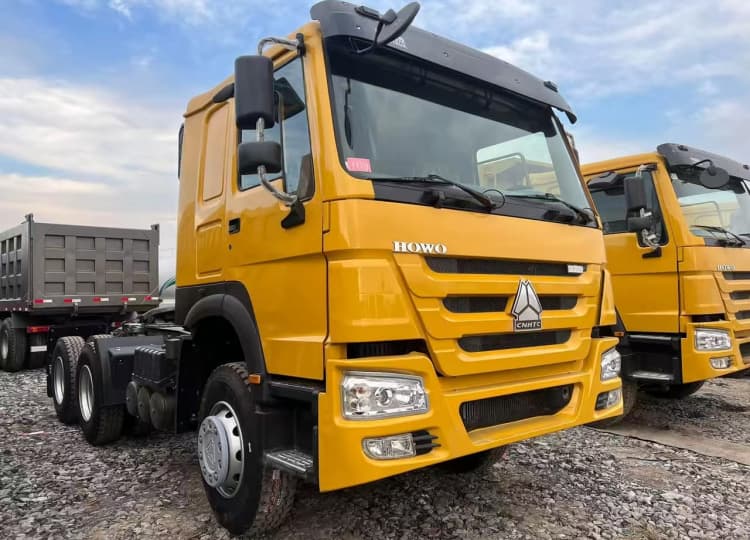
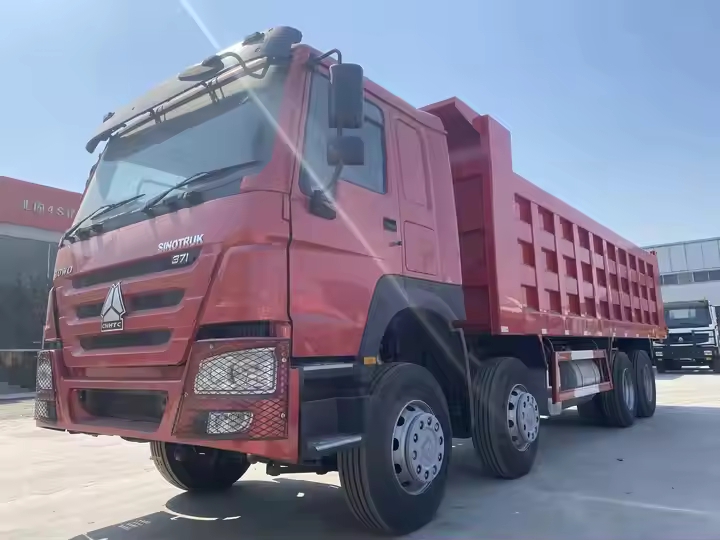
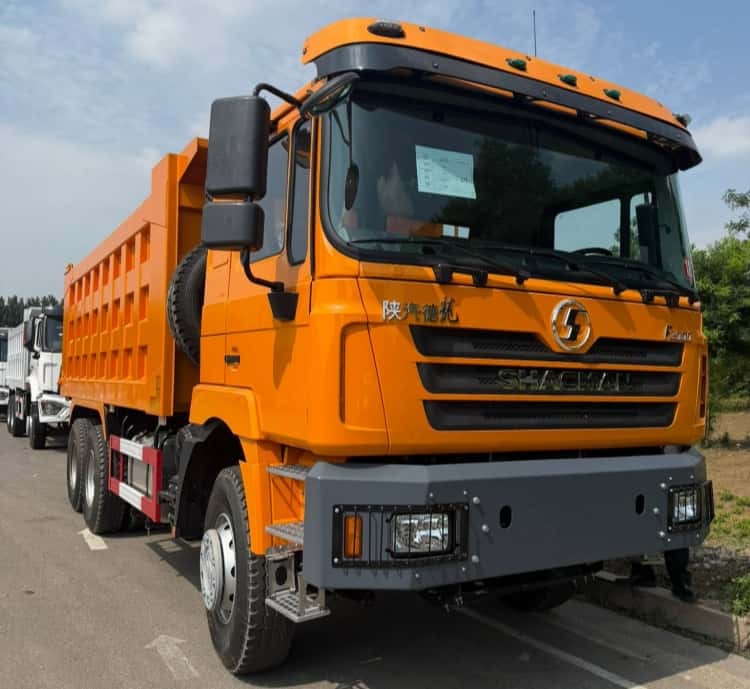
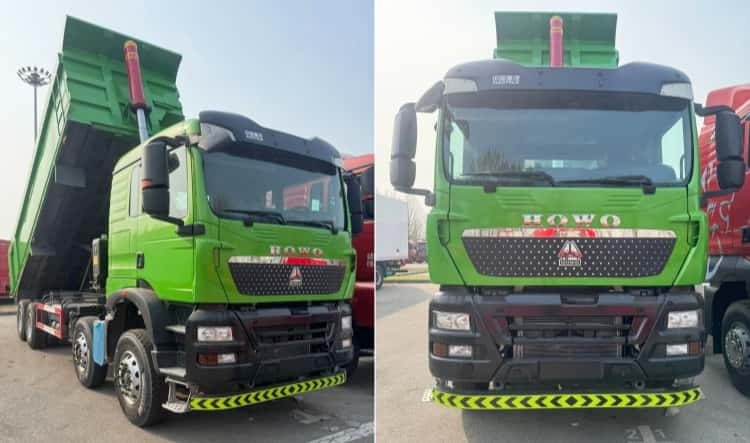
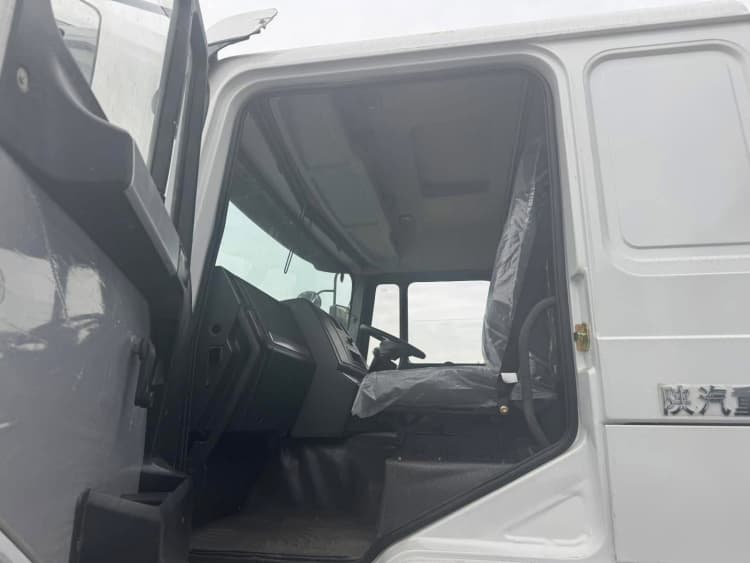
New heavy vehicle production consumes huge volumes of steel, alloy, rubber and specialty materials. Scaled verified rreman manufacturing process reduces the industry’s appetite for virgin feedstock. For dump trucks, haulage tractors and other high-wear fleets, repeated asset cycling diverts eligible cores away from scrap yards.
Over time, this eases strain on resource supply chains and cuts the environmental footprint linked to raw material processing. Importantly, this benefit is only realised when reuse is guided by engineering standards; reusing fatigued or damaged components creates safety risks and undermines the whole circular model.
Balancing Asset Reuse, Safety and Duty Classification
Wise reuse does not mean pushing every recovered truck back into the hardest working applications. REMAN ROAD verified reman manufacturing’s duty classification system matches each reman truck to a suitable operating cycle after reset.
A core that passes inspection but has accumulated high wear history may be assigned to lighter, shorter-cycle work, while structurally robust cores can be approved for heavy construction duty.
This matching prevents over-deployment, reduces premature failure and extends the useful life of the reused asset. This careful matching is essential for sustainable circular operation, keeping downtime and repair risk under control for fleet operators.
Traceability Records Make Circular Asset Reuse Accountable
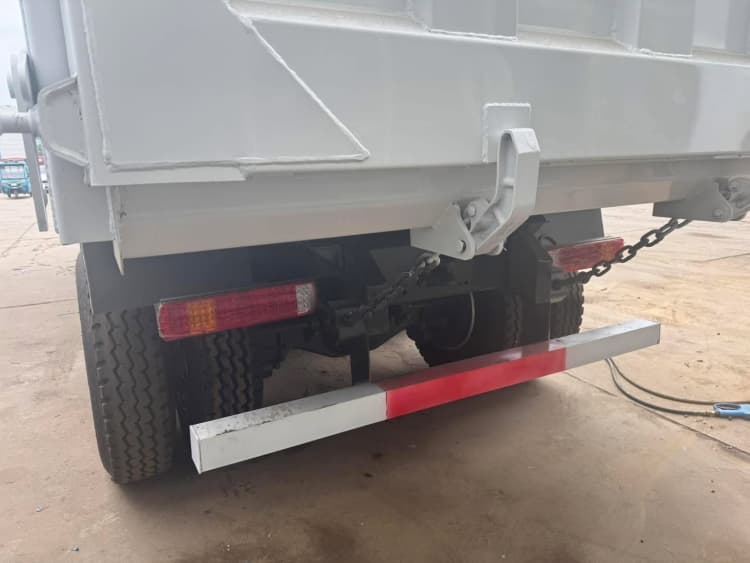
Traceability is the administrative backbone of wise asset reuse. REMAN ROAD verified reman manufacturing carries a digital record covering core origin, inspection results, component replacement history, test data and warranty scope. When the vehicle changes owners or later returns for reassessment, the full lifecycle story travels with it.
Fleet buyers, financiers, insurers and ESG auditors can verify exactly what was reused, what was replaced and what testing was completed. This transparency turns abstract circular economy goals into tangible, reportable evidence for Scope 3 carbon accounting and corporate sustainability programmes.
Commercial Viability Keeps Circular Reuse Scalable
Circular economy strategies cannot rely on environmental goodwill alone. Verified reman manufacturing delivers clear commercial returns that encourage fleets to participate in the loop. Certified reman trucks have lower upfront capital cost than new trucks, predictable maintenance schedules, defined warranty coverage and more stable residual value.
Lower total cost of ownership makes it attractive for operators to return end-of-life eligible units back into the reman pool instead of selling them into unregulated grey markets. This steady flow of qualified cores sustains the circular system long-term.
Clear Limits: When a Truck Asset Cannot Be Reused?
Wise reuse also means knowing when to stop. Cores with irreparable frame cracks, extensive corrosion, crash structural damage or obsolete emissions architecture that cannot be safely upgraded are rejected from full reman.
These assets are not simply dumped; they enter controlled material recycling streams to recover metals and salvage minor usable sub-components. Setting clear rejection boundaries protects road safety, preserves brand credibility and avoids diluting the value of certified reman trucks.
Conclusion
Certified reman manufacturing is the practical execution of circular economy thinking for heavy-duty trucks. It is about reusing truck assets wisely: preserving the embedded carbon and material value of sound components, replacing only what is necessary, validating every rebuild against fixed standards and tracking each asset through its extended service life.
With REMAN ROAD qualified reman manufacturing certification, circular reuse moves beyond marketing language, delivering safer, more affordable fleet assets while cutting raw material consumption and verifiably lowering transport emissions.