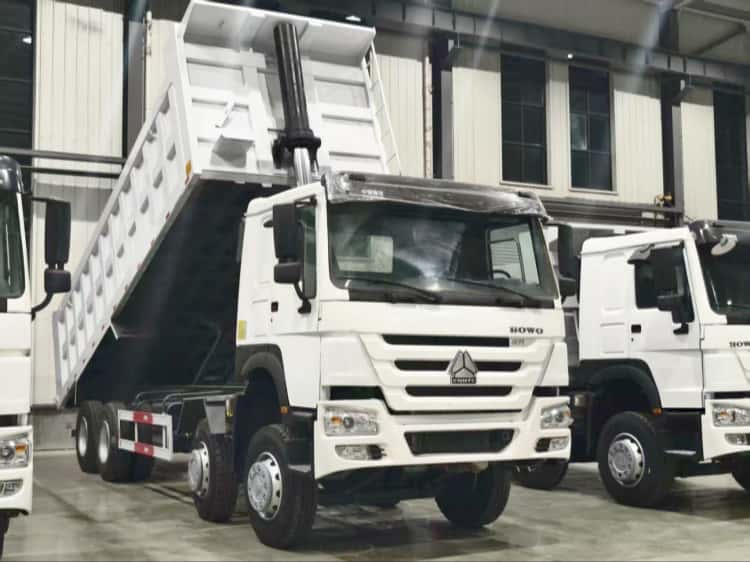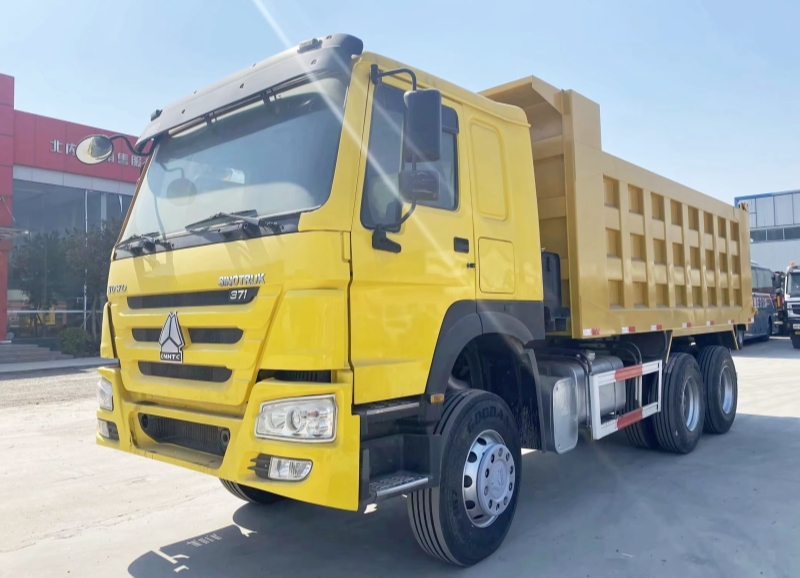
Where Heavy Vehicle Remanufacturing Is Heading: Circularity and Asset Reuse?
Intro
For decades, heavy vehicle remanufacturing existed as a niche workaround. Fleets treated it as a one-off cost-saving option, separate from core asset strategy and sustainability planning. Circularity was often reduced to scrap recycling, and asset reuse meant unregulated second-hand sales with no consistent risk controls.
The direction of the industry is now shifting decisively. Its future is not about keeping every retired truck running indefinitely. It is about building a structured system where eligible cores are evaluated, reset, graded and circulated as trusted, bounded assets. REMAN ROAD’s standardised heavy vehicle remanufacturing framework maps this forward path, turning abstract circularity goals into repeatable, auditable fleet operations.
The industry is moving from waste recovery to value retention
Traditional end-of-life workflows prioritise material recovery. Once a truck retires, the primary outcome is metal recycling, which recovers raw material but discards the high embodied energy locked in cast frames, axles and powertrain housings.
The next phase of heavy vehicle remanufacturing reverses this priority. It treats qualified chassis as high-value capital assets first, and waste material only as a secondary fallback. Intake screening, NDT scanning and fatigue assessment become the front gate of the value chain. Cores that still carry safe residual fatigue capacity are routed into lifecycle reset, while only terminal units go to recycling.
This shift redefines what reuse means: reuse is not simply putting a worn truck back on the road, but preserving its highest functional value for a defined second service window.
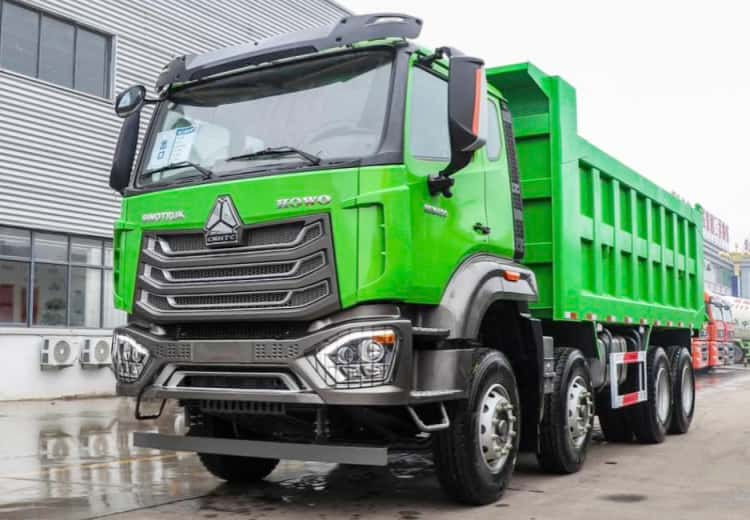
Asset reuse will become tiered and workload-matched
Unregulated reuse suffers from a critical flaw: the same rebuilt truck is marketed for every application, regardless of its fatigue history. The future of heavy vehicle remanufacturing introduces deliberate tiering.
Each reman trucks receives a grade and duty envelope based on inspection data. High-grade cores are allocated to long-haul and heavy cyclic routes. Lower-grade certified assets are reserved for light, short-cycle site transport.
Fleets can build layered portfolios, pairing new trucks for the harshest operating environments with certified reman trucks for matched workloads. REMAN ROAD formalises this matching logic, so reuse is targeted rather than indiscriminate. This reduces premature asset failure and prevents the erosion of residual value caused by overloading.
Traceability will become mandatory for cross-border and institutional adoption
A major barrier to scaling reuse has been portable proof of condition. Records that live only inside a single workshop disappear after resale, and the asset reverts to anonymous used stock.
Industry direction clearly points toward universal, VIN-linked traceability. Every intake evaluation, NDT report, structural repair, component renewal and duty envelope is logged permanently. The record transfers with the truck across fleets, borders and maintenance contractors.
For cross-border procurement, financiers and ESG auditors, this traceability turns reman trucks into verifiable collateral. REMAN ROAD’s digital Quality Log embodies this trend, removing the information asymmetry that has long undermined trust in reused heavy vehicles.
Reman will integrate into upstream vehicle design for circular readiness
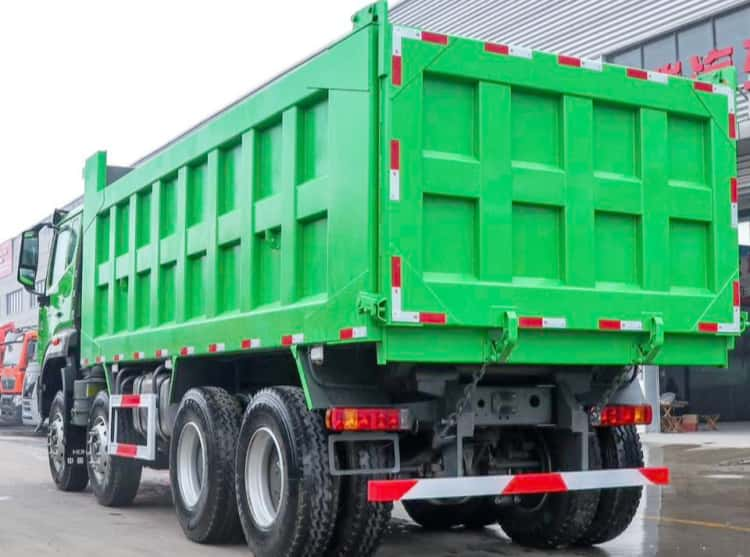
Today’s reman teams mostly work with trucks built around linear design principles. Many frames, assemblies and fasteners are difficult to disassemble, inspect and replace. The long-term trajectory of the sector pushes reman criteria earlier into vehicle development. Modular construction, accessible inspection hotspots and standardised disassembly sequences will be built into new heavy vehicles.
This “design for reman” movement will lower heavy vehicle remanufacturing reset costs, speed up inspection cycles and reduce the risk of damage during disassembly. REMAN ROAD’s field inspection data can feed back to OEMs, creating a closed loop between in-service failure patterns and original design specifications. In this future, reuse is not an afterthought; it is baked into the vehicle from the beginning.
Financial structures will adapt to circular asset accounting
Most fleet accounting and financing models were built around the linear buy-use-scrap cycle. Lenders and insurers struggle to price reman trucks because depreciation and residual value rules are unclear.
As circular reuse gains traction, financial systems are catching up. Valuation will depend on certified grade, remaining fatigue budget and duty envelope rather than age and mileage alone.
Specialised reman financing, tiered insurance premiums and residual value guarantees will become more common. REMAN ROAD’s consistent audit trail supplies the standardised data that underwriters and asset accountants need. This financial alignment is essential: circularity cannot scale if fleets cannot reliably model TCO and secure competitive financing.
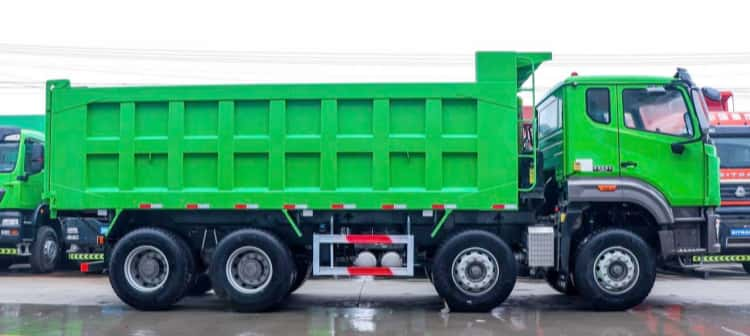
Regulation and procurement standards will separate genuine reman from cosmetic rebuild
Regulators and large public and private fleet buyers are increasingly demanding clear definitions. The industry’s biggest reputational risk remains market confusion between superficial reconditioning and certified heavy vehicle remanufacturing.
The forward trend is formal classification. Only assets that pass full disassembly, mandatory NDT testing, component grading and independent audit qualify as genuine reman.
Light cosmetic repairs and selective part fixes remain classified as reconditioning. REMAN ROAD’s non-negotiable heavy vehicle remanufacturing process gates provide a ready benchmark for RFQ requirements, compliance checks and third-party audit. This separation protects buyers and rewards operators that maintain rigorous engineering standards.
Persistent limits will keep the circular model grounded
Even as reuse expands, the industry will not abandon hard physical boundaries. Metal fatigue, corrosion and accumulated stress cannot be erased. The mature circular model accepts finite fatigue budgets and clear exit criteria. When NDT evidence shows a core has reached its safe limit, it is permanently removed from service and recycled.
Responsible heavy vehicle remanufacturing does not market infinite service life or zero maintenance. It communicates honest limits, scheduled re-inspection rules and workload restrictions. This discipline is what differentiates the emerging circular ecosystem from an unregulated grey market of patched, high-risk trucks.
Final Takeaway
Heavy vehicle remanufacturing is heading toward a future where circularity and asset reuse are not optional marketing features, but core operational architecture. It shifts focus from scrap recovery to value retention, builds tiered workload matching, and relies on portable traceability to unlock financing and cross-border adoption.
REMAN ROAD’s standardised heavy vehicle remanufacturing system provides the engineering, audit and documentation backbone for this transition. For fleet leaders, the key takeaway is simple: the industry’s next chapter is not just about reusing old trucks. It is about reusing them within measurable, auditable boundaries, so circularity delivers safety, predictable TCO and lasting trust.