Vehicle Lifecycle Reset: How Remanufactured Shapes the Circular Heavy Vehicle Ecosystem?
Intro
In the linear economy, a heavy truck’s lifecycle has a fixed endpoint. Once it finishes its first service assignment, it is either sold as an unregulated used asset or sent directly to scrap. There is no structured way to restart its usable service life with known risk boundaries. Lifecycle reset is what separates genuine remanufactured from casual repair or reconditioning. It does not roll back the truck’s manufacturing date, but it re-establishes a predictable performance baseline for its next service chapter. REMAN ROAD’s standard turns this reset from a one-off workshop trick into a repeatable building block for the wider circular heavy vehicle ecosystem.
Linear lifecycle vs circular reset logic
Linear asset flow is simple: manufacture, deploy, wear out, scrap. Value drains steadily, and the embedded carbon locked in frames and castings is lost once melting begins. A lifecycle reset inserts a formal intermediate stage before scrap. After intake screening, qualified cores are fully disassembled, cleaned, inspected, graded and rebuilt to fixed engineering specifications.
Unfit cores are diverted to responsible recycling instead of being pushed into risky service. This creates a branch in the lifecycle: not all retired trucks end their journey at the scrapyard. For the ecosystem, this shift means core supply becomes a reusable resource pool, not just waste feedstock.
Reset is conditional, not an unlimited life extension
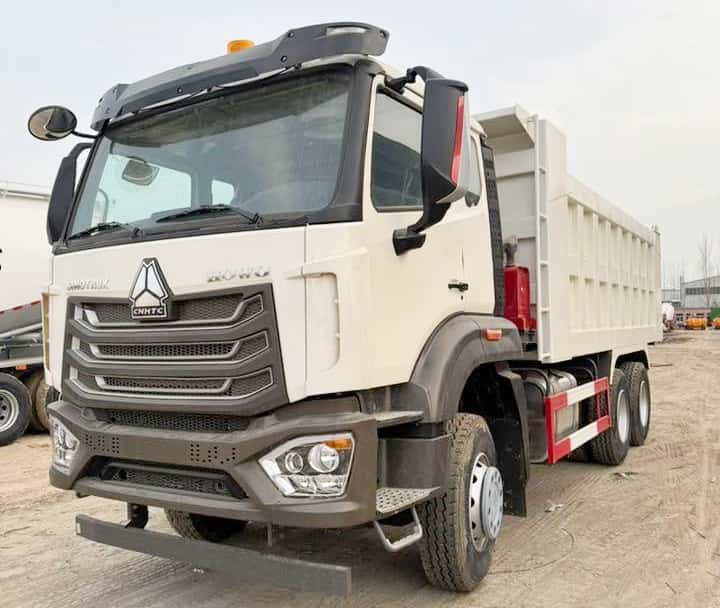
A critical detail often misread in circular marketing is that industrial remanufactured reset is not a blank cheque for endless operation. Every heavy chassis carries a finite fatigue budget built up over its first life. The certified remanufactured reset process measures that remaining margin and defines what workload the asset can safely handle.
REMAN ROAD uses hotspot NDT, corrosion mapping and three-bucket grading to set the duty envelope for each unit. The genuine remanufactured reset only applies within those boundaries. If the truck is overloaded or operated outside its approved environment, fatigue accumulates rapidly and the reset value collapses. This conditionality keeps the circular ecosystem from becoming a channel for unsafe, overstretched assets.
Reset creates tiered, interoperable asset pools
Without standardised industrial remanufactured reset rules, circulating used trucks form a messy, disconnected pool. Quality varies wildly, and buyers cannot match assets to workloads reliably.
Certified remanufactured under REMAN ROAD sorts reset assets into clear grades. Grade A cores support heavy cyclic duty, while lower grades are assigned to lighter, less demanding applications. Fleets can build mixed portfolios: new trucks for the harshest sites, reset reman trucks for matched workloads, and simple used trucks for short-term stopgap tasks.
This tiered structure makes the whole ecosystem easier to navigate. Asset owners can rotate vehicles between sites and contracts without blind guesswork about structural limits.
Portable traceability ties lifecycle stages together
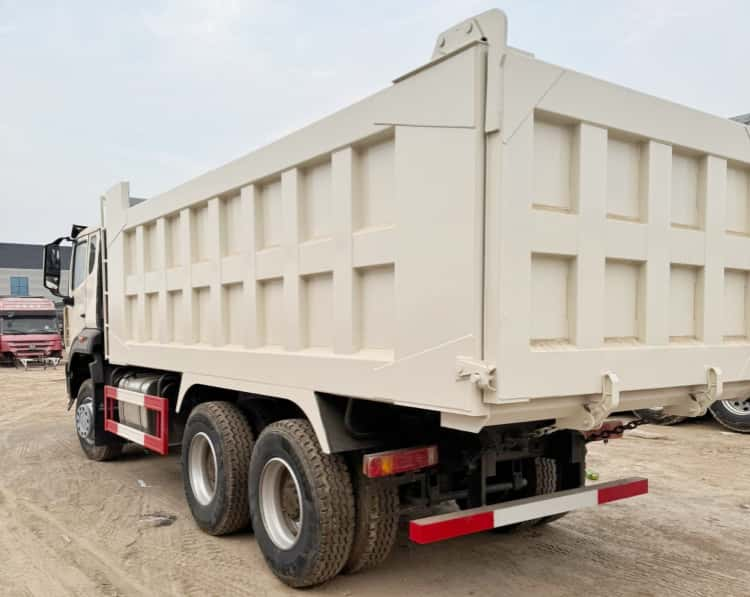
A lifecycle reset fails to support circularity if the record of the reset stays locked in one workshop. When the truck changes hands, the proof of reset disappears, and the asset reverts back to an unknown-risk used truck.
REMAN ROAD’s VIN-linked Quality Log solves this gap. It stores intake screening results, all inspection data, component renewal lists, approved repair records and the official duty envelope. The log transfers with the asset through its second lifecycle. It can support future re-inspections, resale valuation, or even second reman trucks when the next service window closes. Traceability is the thread that connects multiple lifecycle stages into a closed loop.
Reset reshapes supply chain and component flow
The circular ecosystem depends on more than finished trucks. It also changes how spare parts and reusable sub-components move through the network. During industrial remanufactured disassembly, serviceable sub-components are graded and reserved for future reman builds.
Worn or failed parts are either renewed, recycled or discarded according to fixed rules. This creates a controlled secondary component supply stream, reducing reliance on brand-new OEM parts for every rebuild.
REMAN ROAD’s ecosystem partners follow shared grading rules for sub-components, so reusable parts can circulate between certified workshops. Over time, this reduces the sector’s overall demand for virgin material and new casting production.
Financial circularity runs alongside physical lifecycle reset
A circular ecosystem cannot survive on engineering and environmental goals alone. It must make financial sense for fleet owners. A properly executed lifecycle reset stabilises depreciation and preserves residual value.
When the asset reaches the end of its second service cycle, it still holds verifiable value. It can be resold to another fleet, enter a second industrial remanufactured reset, or be recycled in a high-value way.
By contrast, uncertified used trucks tend to drop sharply in value and often exit directly to scrap. REMAN ROAD’s certified remanufactured reset framework gives finance teams predictable residual curves, which encourages fleets to participate in circulation rather than liquidating assets at the first opportunity.
Reset establishes shared accountability across the ecosystem
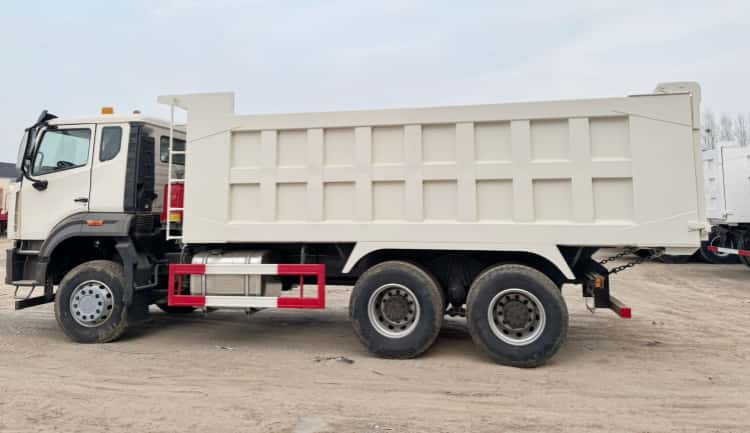
Circularity often suffers from blurred accountability. It is easy for sellers to sell a rebuilt truck and walk away from long-term performance. The industrial remanufactured lifecycle reset model distributes responsibility clearly.
The remanufacturer is accountable for passing all pre-release inspection gates and disclosing the duty envelope. The fleet operator is accountable for following payload limits and scheduled re-inspections. Auditors and insurers can reference the standard to assess compliance and risk.
REMAN ROAD’s regular third-party audits keep workshop partners accountable for not cutting corners during certified remanufactured reset workflows. This shared accountability prevents the circular ecosystem from devolving into low-quality stock rotation.
Final Takeaway
Genuine remanufactured’s lifecycle reset breaks the traditional linear buy-use-scrap heavy vehicle pattern. It does not erase the original history of a chassis, but it re-establishes a bounded, auditable performance baseline to restart its service life.
REMAN ROAD’s certified remanufactured standard makes these resets consistent, traceable and tiered, organising cores, components and finished assets into a functional circular ecosystem.
For fleet stakeholders, the key takeaway is simple: true circularity is not just keeping old trucks on the road. It is resetting them under measurable rules, so they can circulate safely, predictably and economically across multiple owners and service cycles.