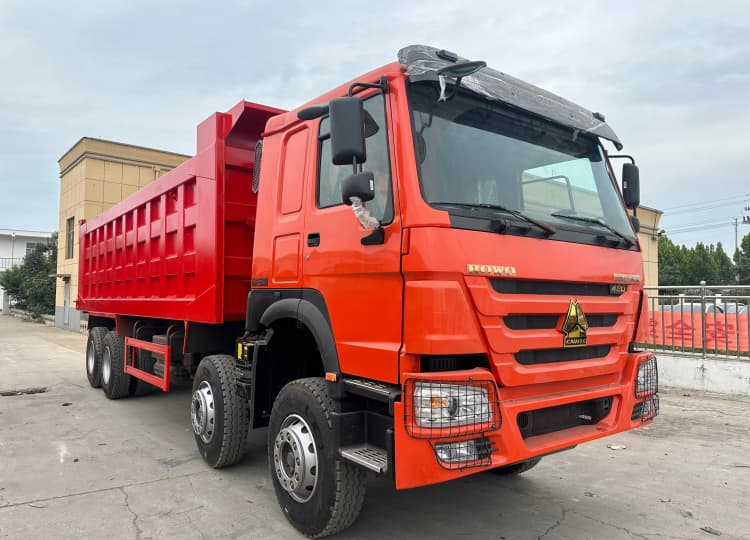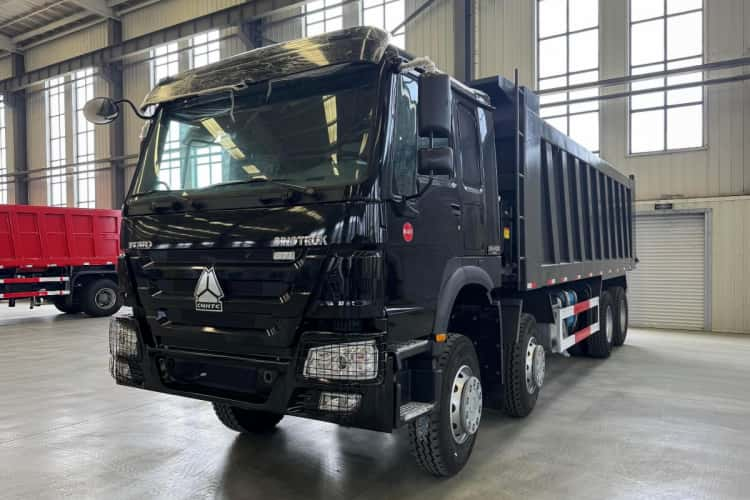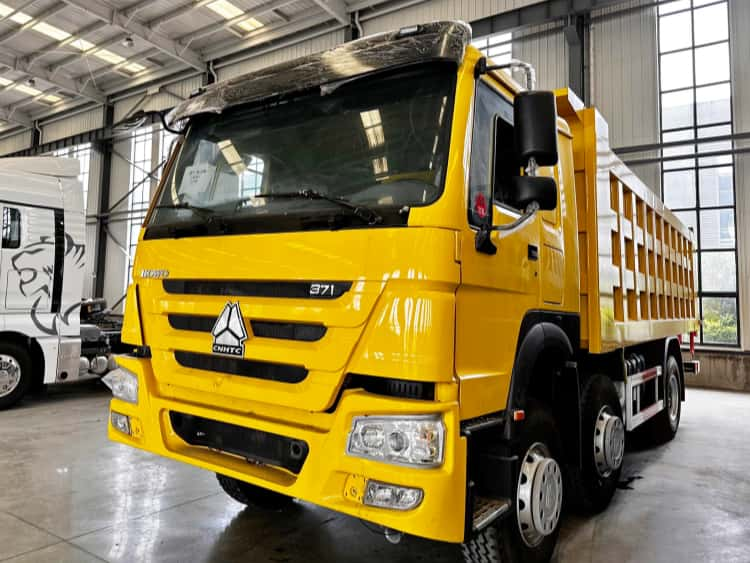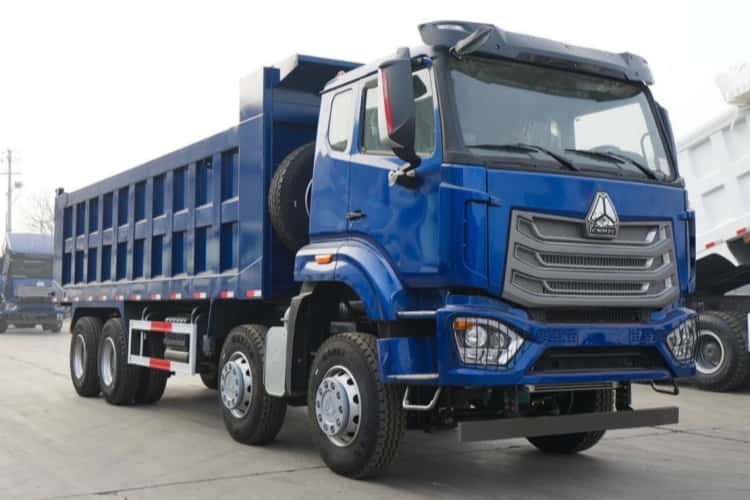
The Guiding Mission: Turning Retired Trucks Into Reliable Circulating Assets
Intro
When a heavy truck exits its first service cycle, it is often treated as a spent asset. Fleets may write it off and send it straight to scrap yards, assuming its useful life is exhausted. This mindset overlooks a critical distinction: the truck’s first operational mission may end, but its structural core can still hold safe residual fatigue margin.
The core mission of industrial truck reman is not simply repairing broken trucks for a quick resale. It is to select qualified retired units, reset their performance baseline, and release them back into the supply chain as trusted, circulating assets. REMAN ROAD builds every stage of its workflow around this mission, rather than chasing fast turnover or cosmetic upgrades.
Screen retirement stock to separate viable cores from terminal scrap
Not every retired truck is suitable to join the circulating asset pool. Some have sustained severe frame damage, irreversible corrosion or repeated overload-induced fatigue that pushes them past safe reuse limits. The first step of the mission is disciplined screening. Service history, accident records, mileage and operating environment are reviewed before physical disassembly.
Critical structural components go through hotspot NDT scanning and corrosion mapping to quantify remaining fatigue capacity. Units that fail the screening process are routed for responsible material recycling, not rushed into reman. This filtering protects the integrity of the whole circulating asset pool and prevents unsafe units from re-entering fleets.
Reset performance, not just fix failures, for consistent circulation
A retired truck may still run, but its wear pattern and component degradation are uneven after years of service. Basic reconditioning only fixes obvious faults, leaving hidden wear points that will trigger breakdowns during the next service cycle. To become a reliable circulating asset, the truck needs a systematic performance reset.
Under REMAN ROAD industrial truck reman, the full disassembly, three-bucket component grading and mandatory part renewal process removes this random wear risk. Powertrain assemblies are bench-tested and calibrated back to design specifications. After industrial truck reman, the asset has a defined performance standard, not just a temporary working state. This consistency is essential, because circulating assets will change operators, sites and duty assignments over their second lifecycle.
Attach portable traceability so the asset travels with its proof
For an asset to circulate reliably, its condition history cannot be trapped in one workshop’s filing system. When a truck changes fleet owners, site managers or maintenance teams, the new operators need immediate access to its engineering background.
REMAN ROAD’s VIN-linked Quality Log serves this exact purpose. It stores grading outcomes, NDT reports, approved structural repair records, renewed component lists and the official duty envelope. The documentation transfers with the asset through every handover.
Future buyers and maintenance teams can understand its safe operating limits without relying on verbal claims from the previous seller. Traceability is what turns a rebuilt truck into a transparent, tradable circular reman truck.
Assign clear duty envelopes to match assets to appropriate workloads
Circulation does not mean the circular reman truck can handle any job. Each qualified core carries a unique fatigue budget shaped by its original service history and inspection results. A core suitable for long-haul highway work is not the same as one only approved for light, short-cycle site transport.
Part of the mission is to label each asset with its formal grade and duty envelope. Payload caps, operating environment limits and scheduled re-inspection intervals are clearly defined.
Fleet managers can match the circular reman truck to workloads that fit its capacity, instead of overloading it and destroying its residual value prematurely. This matching system extends the usable circulation window and reduces preventable failures.
Stabilise residual value to keep the asset liquid across cycles
An asset cannot circulate well if its value collapses unpredictably after every ownership change. Generic used trucks carry heavy risk discounts because their condition is unproven. Buyers hesitate to invest, and owners face steep losses when they resell.
REMAN ROAD certification addresses this liquidity problem. The audit trail limits uncertainty, supports slower depreciation and creates a larger pool of professional buyers who accept certified reman trucks. When the fleet finishes its ownership term, the truck can be resold, redeployed or even enter a future reman cycle loop, rather than being forced into scrap. Stable residual value keeps the reman cycle loop moving financially.
Align safety, fleet economics and circular impact
This mission is not purely environmental, nor purely commercial. It balances three priorities at once.
- Safety comes first: no asset enters circulation if it cannot meet measurable fatigue and structural standards.
- Fleet economics follow: operators gain a predictable mid-tier asset option to optimise CAPEX and TCO.
- Circular impact is the outcome: fewer high-value structural castings are sent for melting, cutting the embodied carbon footprint of fleet expansion.
Without safety guardrails, circular circulation becomes reckless. Without financial viability, fleets will not adopt the model at scale. REMAN ROAD’s standard keeps all three pillars balanced.
Final Takeaway
The guiding mission is straightforward: identify retired trucks that still hold safe usable capacity, reset their performance through rigorous industrial truck reman rules, and turn them into transparent, well-bounded circulating assets. This stands apart from quick cosmetic repairs that only extend a truck’s life for a short, risky single deployment.
REMAN ROAD’s entire industrial truck reman workflow, audit system and traceability infrastructure exist to deliver this mission. For fleet buyers, the key takeaway is simple: a genuine circular reman truck is not just a used truck that runs — it is an asset designed to move safely and predictably through multiple responsible service cycles.