The Original Intent of Building Standardised Reman Ecosystems
Intro
To many outside observers, a reman ecosystem may look like a loose network of workshops, parts suppliers and sales channels grouped together to push reman assets. This surface view misses the foundational intent behind building a formal, standardised ecosystem.
Before frameworks such as REMAN ROAD existed, reman activity operated in silos. Every workshop set its own inspection rules, grading logic and documentation standards. Buyers could not compare outputs, verify quality or trust the sustainability claims attached to rebuilt trucks. The ecosystem was conceived to solve these structural failures, rather than merely organise supply chains for commercial gain.
To end the chaos of conflicting private standards
The earliest pain point in the heavy reman market was a complete lack of shared definitions. One vendor might call a simple paint and leak fix “remanufacturing”, while another reman manufacturer performed full disassembly and NDT testing for the same label. There was no universal agreement on which components must be renewed, what fatigue thresholds were acceptable, or how to record structural repairs. This confusion created information asymmetry that favoured sellers and exposed fleet buyers to severe financial risk.
The original intent of a standardised reman ecosystem is to anchor all participants to one consistent rule set. Within REMAN ROAD, every workshop, inspector and component supplier follows the same grading criteria, test protocols and record-keeping requirements. This turns subjective workshop judgement into repeatable, comparable engineering practice.
To create a shared language for procurement and auditing
Fleet procurement teams, financiers, insurers and ESG auditors all need to evaluate reman assets. Without a common standard, each party used its own checklist, leading to inconsistent acceptance criteria. A truck accepted by one fleet might be rejected by another for unstated reasons. Auditors could not validate sustainability claims, because there was no shared method for calculating avoided embodied carbon.
A standardised ecosystem establishes a shared technical language. REMAN ROAD’s duty envelope, three-bucket component grading and VIN-linked Quality Log give every stakeholder the same reference points. Buyers can write clear RFQ requirements, lenders can assess collateral reliably, and third-party auditors can verify compliance against a fixed benchmark.
To protect the core asset value embedded in qualified cores
Circular economy only works if valuable cores are protected rather than wasted through careless processing. Isolated workshops often face short-term commercial pressure: rush orders, tight margins and limited inspection capacity. Under that pressure, high-value cores with acceptable residual fatigue margin may be scrapped prematurely. Or borderline cores may be released into service without proper testing, only to fail quickly and lose all embedded value.
The reman ecosystem is designed to guard against this short-termism. REMAN ROAD reman ecosystem connects core sourcing, inspection, processing, component supply and final validation into a closed loop. Cores are screened at intake, graded objectively, and routed to appropriate workflows. The ecosystem’s first priority is preserving the embodied material and energy value of viable cores, not maximising unit throughput.
To separate genuine reman from cosmetic reconditioning at scale
Market confusion between genuine remanufacturing and reconditioning was steadily undermining the reputation of the whole sector. When buyers repeatedly paid reman-level prices for lightly fixed trucks, they lost confidence in reman as a category. Bad actors benefitted from the ambiguity, while disciplined reman operators struggled to justify their higher process costs.
A standardised reman ecosystem draws a clear, enforceable dividing line at scale. It defines which workflows qualify as reman, and which remain simple reconditioning. REMAN ROAD certification is only issued when all mandatory inspection, testing and renewal gates are passed. This distinction is not marketing packaging; it is the original guardrail intended to restore market credibility.
To build traceability that travels across ownership boundaries
Traceability cannot exist reliably in disconnected, one-off workshop operations. If records live only inside a single repair shop, they disappear when the truck is resold or the workshop changes hands. The asset reverts to an unknown-risk product once it leaves the original seller. The ecosystem model distributes the traceability system across the whole value chain.
Every participant in REMAN ROAD feeds test data, component records and audit results into the central Quality Log tied to the VIN. The record stays with the asset through its second lifecycle, supporting future resale, re-inspection and even subsequent reman cycles. This was a core design goal: to make traceability portable, not locked to one vendor.
To balance commercial scalability with non-negotiable safety rules
A single reman manufacturer can produce high-quality reman trucks, but it cannot scale the standard across the wider industry. If standards only live in one facility, the market remains fragmented. Yet scaling without controls inevitably leads to rule erosion, skipped inspections and compromised safety. The ecosystem balances scale and discipline.
REMAN ROAD sets non-negotiable safety gates such as hotspot NDT, corrosion mapping and independent audit. Participating reman manufacturers gain access to the standard, shared test methodologies and digital logging tools, but they must pass regular audits to keep their eligibility. The intent is to expand access to genuine reman, without diluting the engineering requirements that make it valuable.
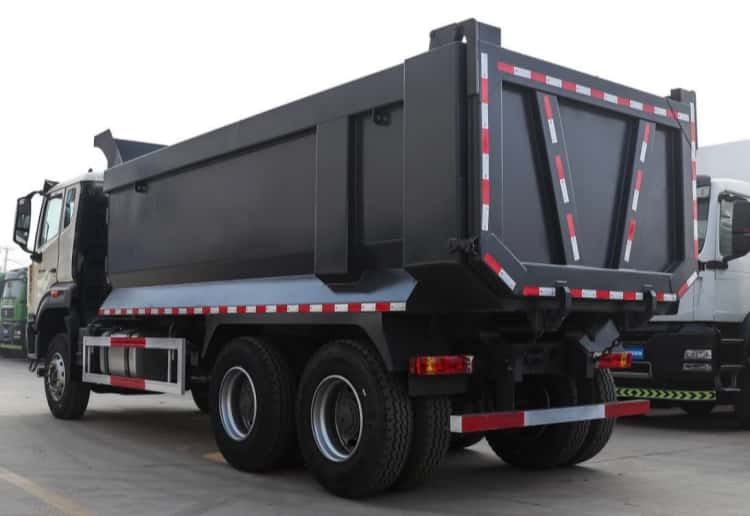
To enable collective progress rather than isolated competition
Many market participants compete on price, hiding process details from each other. This slows the whole industry’s technical improvement. A standardised reman ecosystem creates a controlled space for shared learning.
Reman manufacturer within REMAN ROAD feed back failure data, inspection outcomes and field performance records. That data feeds continuous refinement of grading thresholds, test procedures and duty envelope guidance. The ecosystem does not eliminate competition between participants. It redirects competition toward consistent quality, compliance and service support, rather than cutting corners on inspection to win lower-price orders.
Final Takeaway
The original intent of building standardised reman ecosystems is far broader than simply organising supply or selling reman trucks. It is built to resolve market fragmentation, create a shared audit-ready language, preserve embedded core value, draw a clear line between reman and superficial repair, and carry traceability across asset lifecycles.
REMAN ROAD embodies this intent by binding every participant to the same engineering and documentation rules. For fleet buyers, the key takeaway is simple: a genuine reman ecosystem exists to bring trust and repeatability to a market that was once defined by uncertainty.