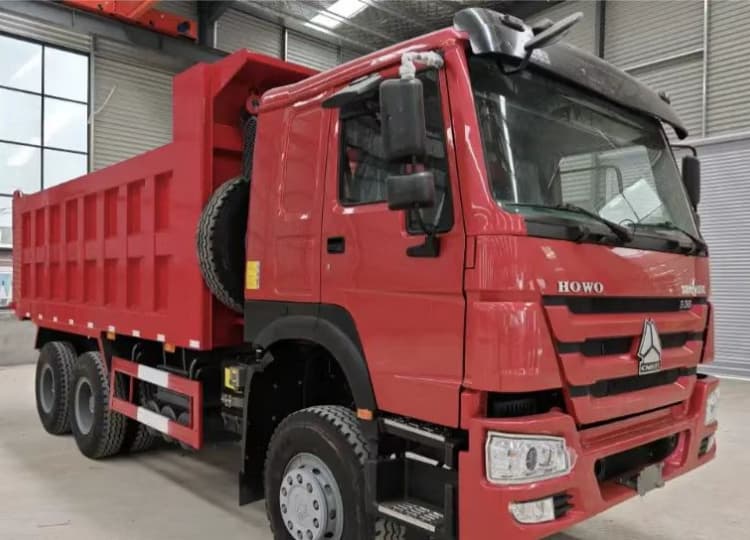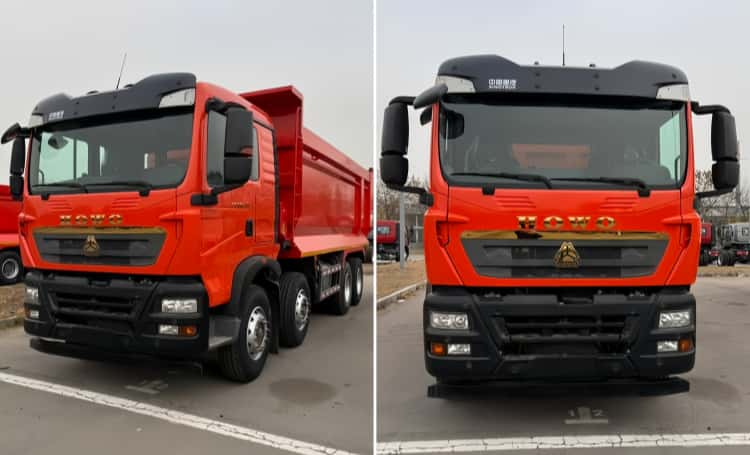
Core Basics: How Standardised Reman Preserves the Structural Value of Retired Trucks?
Introduction
Retired heavy trucks are often written off as low-value scrap or rough used stock once their powertrain wears out or they exit active fleet service. The chassis frame, crossmembers, suspension brackets and load-bearing structures still carry embedded material value — but only if they are assessed, handled and restored correctly. Without disciplined standards, this structural value is easily lost: hidden fatigue cracks, unmeasured frame distortion and improper welding can turn a reusable core into unsafe scrap. Standardised reman under REMAN ROAD is built around one quiet but critical goal: separating sound structural assets from irreparable damage, preserving their engineered value and returning them to predictable service life.
What “structural value” means for a retired truck?
Structural value is not the paint, cab trim or even the engine. It resides in the load-bearing geometry, material strength and fatigue reserve of the chassis assembly. A truck frame is engineered to carry repeated dynamic loads, vibration and stress cycles over hundreds of thousands of kilometres. When intact and within tolerance, it represents the largest single asset component of the vehicle. Once compromised by collision twist, deep corrosion, heat damage or uncontrolled repair, that structural value vanishes. Simple resale or cosmetic refurbishment ignores this distinction. It treats the truck as a whole unit, rather than evaluating each structural member against measurable engineering limits.
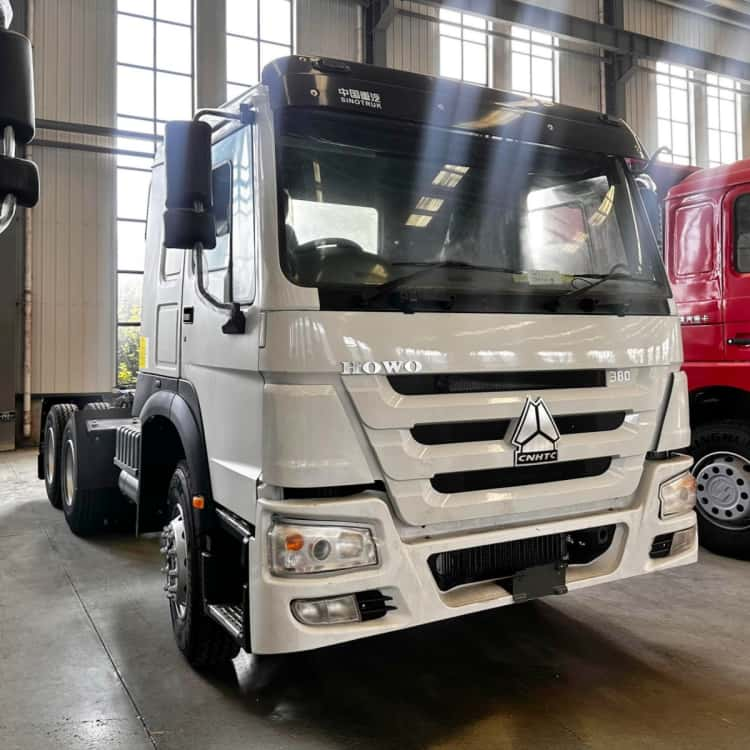
The first gate: qualification screening to avoid wasting good cores
Preservation starts before any repair work. Every retired truck core enters a formal structural audit:
- Frame straightness measurement to detect twist, bow and sag
- Ultrasonic thickness testing for corrosion and material loss
- NDT crack inspection on high-stress zones: spring hangers, crossmember joints, kingpin mounts and load attachment points
- Review of accident history, overload records and prior unapproved field repairs
Units with irreversible structural damage are routed for scrap recycling. Only cores with remaining fatigue margin move forward into reman. This reman step protects value in two ways: it does not waste labour on unsalvageable frames, and it prevents weak, high-risk structures from being passed off as usable assets.
Controlled restoration: repairing only within defined engineering boundaries
When structural components qualify for reuse, standardised remanufacturing follows strict repair limits, unlike informal frame straightening or makeshift welding. Permitted corrective work is documented and bounded: precision straightening under controlled force, approved reinforcement plate design, qualified welding procedures and post-repair crack re-inspection.
Heat input is managed carefully to avoid altering base material properties and creating new brittle zones. No arbitrary modification is allowed. Reinforcement is not added just to “make it look stronger”; it must restore or maintain the original load capacity and stress distribution. Parts that exceed repair thresholds are replaced, not patched. This discipline keeps the original engineered value intact instead of replacing it with uncertain, one-off modifications.
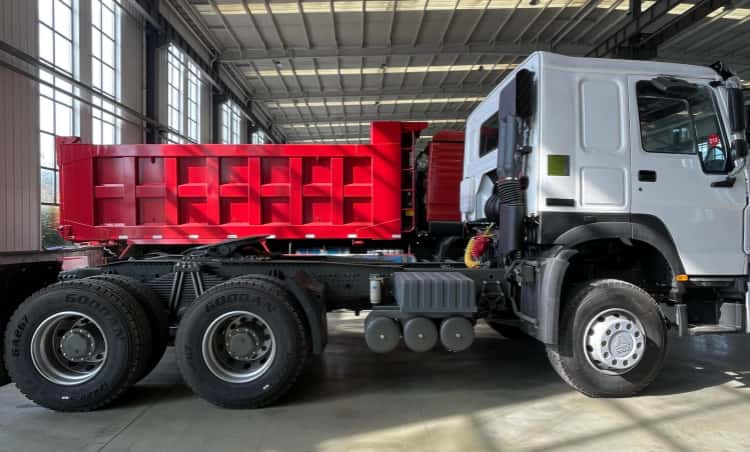
Full teardown removes hidden decay that erodes structural value
Partial overhauls leave brackets, mating surfaces and hidden crevices untouched. Rust, packed grit and long-term galvanic corrosion continue to eat away at the frame even after the truck is repainted. Standardised remanufacturing requires full disassembly of all attached components from the frame rail.
Industrial cleaning removes contaminants completely, so inspectors can access every hidden surface. Corrosion is measured and graded; light surface corrosion is treated and protected, while deep pitting that compromises section strength triggers rejection. This is a key difference from surface-only refurbishment, where underlying corrosion continues to degrade structural value after sale.
Matching structural integrity with system-level reassembly
A sound frame can lose its value during reassembly if mounting points, fasteners and suspension hardware are handled poorly. REMAN ROAD standardised remanufacturing mandate grade-matched new critical fasteners, defined torque sequences and alignment checks as components are refitted. Suspension brackets, axle mounts and fifth-wheel positions are re-established to original dimensional specifications.
Misalignment creates uneven load transfer, which accelerates fatigue and shortens the frame’s usable life. By reassembling the structure as a calibrated system, reman locks in the restored structural value rather than letting it degrade rapidly in operation.
Traceability locks structural value into the asset record
Structural value is hard to prove without records. A buyer cannot visually verify that a frame was NDT tested, straightened correctly and repaired to approved limits. Every structural inspection, thickness reading, weld log and dimensional report attaches to the unit’s traceability profile. When the truck is sold to a fleet, the structural qualification evidence travels with it.
This documentation preserves residual value years later: at resale or re-remanufacture, the next owner can confirm the chassis has a known, auditable service margin. Without this record, the frame’s structural value becomes invisible and discounted by buyers and financiers.
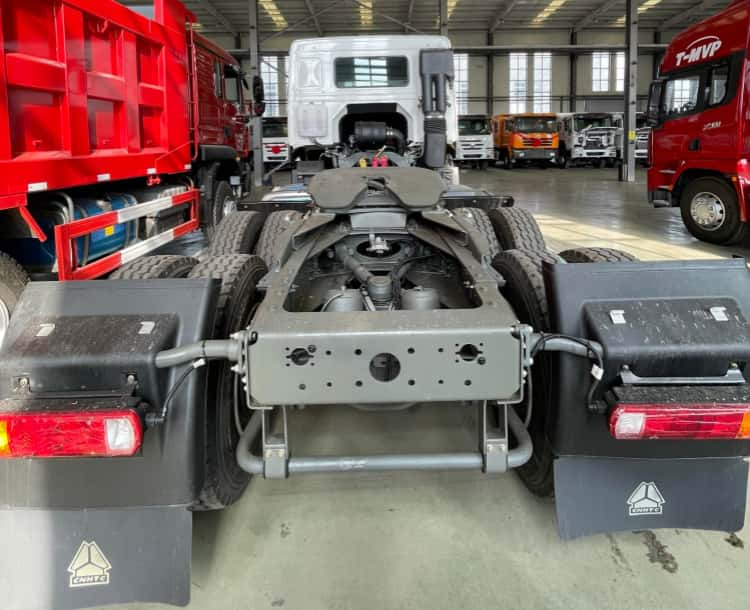
What destroys structural value in non-standard refurbishment?
Many low-cost rebuilds permanently erase structural value through common shortcuts:
- Hiding frame twist under paint without straightening
- Welding cracked rails with unqualified procedures and no post NDT
- Reusing corroded brackets and high-torque fasteners
- Skipping thickness checks and only inspecting visible surfaces
- Over-reinforcing frames, shifting stress into adjacent unprotected zones
These trucks may look functional and run in the short term, but their structural reserve is consumed rapidly. They carry hidden safety risk and steep depreciation.
Closing
Standardised remanufacturing does not merely “fix” retired trucks. It preserves their most valuable engineered asset: the structural chassis. By applying objective screening, controlled restoration, full disassembly inspection, precision reassembly and traceable documentation, REMAN ROAD separates salvageable structural value from scrap.
For fleet buyers, this means a reman truck’s value rests on verified structural integrity, not cosmetic appearance — supporting safer operation, clearer TCO forecasting and stronger residual value across its second service life.