Certified Heavy Truck Reman Basic Principles
Introduction
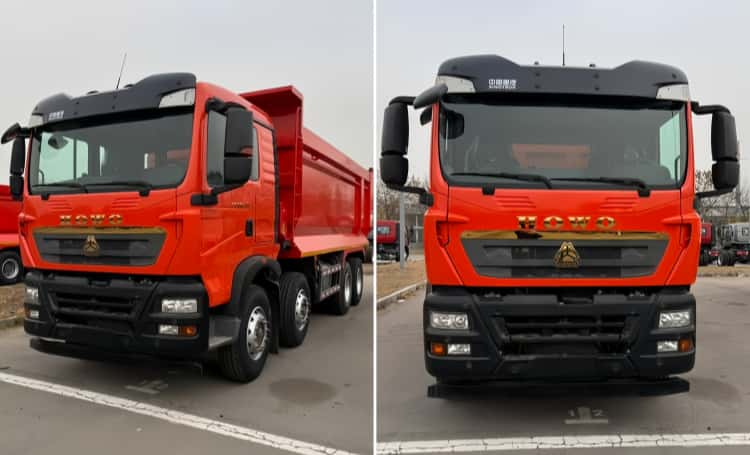
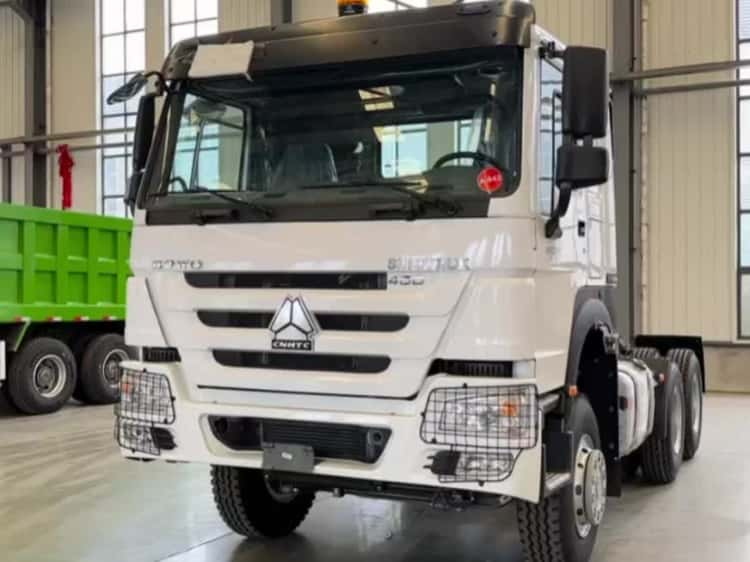
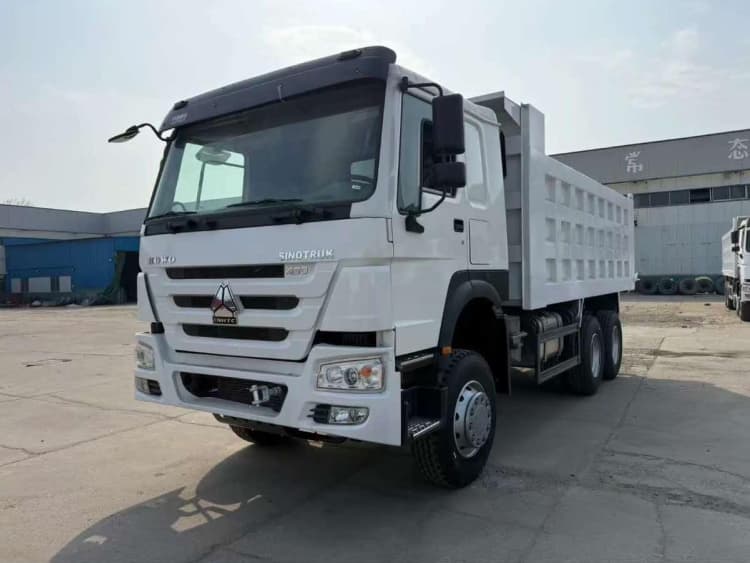
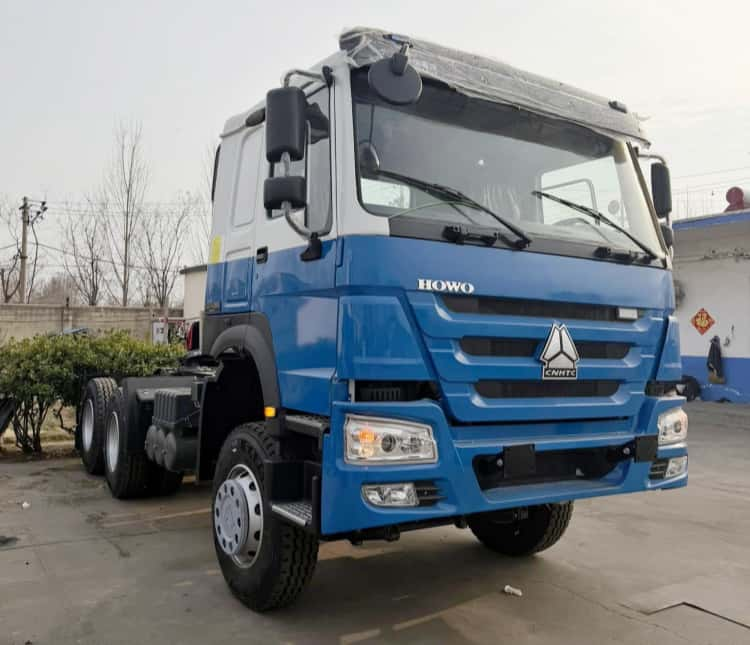
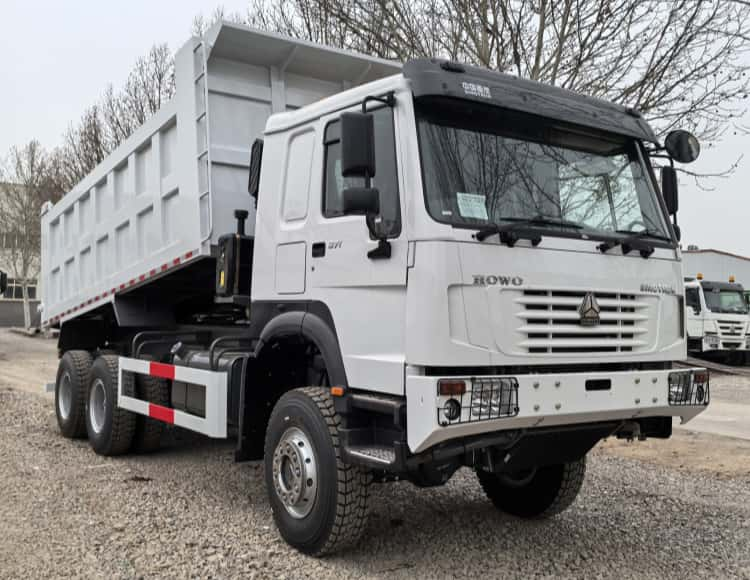
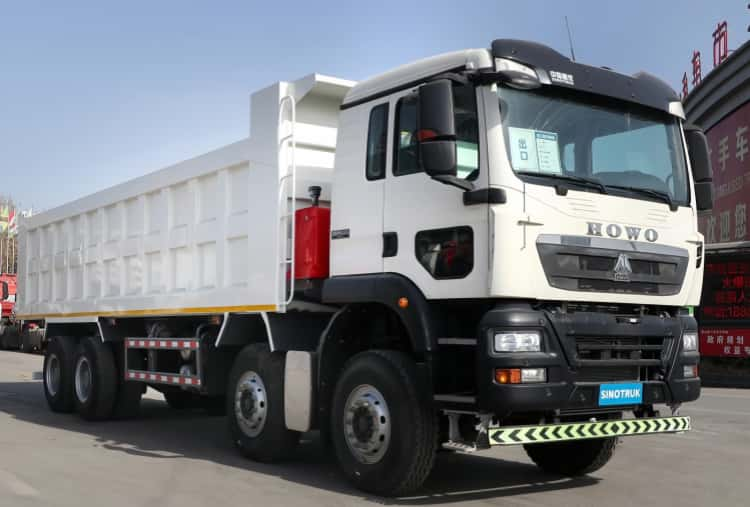
Certified heavy truck remanufacturing is built on a set of consistent, vehicle-first basic principles. Every inspection, restoration and validation step follows these guidelines, with the complete heavy truck treated as a single integrated asset. These principles separate standard truck reman from informal reconditioning and serve as the permanent baseline of REMAN ROAD’s framework. They are not loose suggestions; they are the mandatory logic that governs the entire lifecycle reset process.
Whole-vehicle priority principle
All decisions are made from the perspective of the complete truck, not individual assemblies or parts. The target of truck reman is the balanced performance, safety and reliability of the finished vehicle. Even if a single component meets its independent specification, it will be re-evaluated or replaced if it cannot work in harmony with other onboard systems. Every remanufacturing workflows stage, from intake screening to final road test, focuses on how each subsystem contributes to the overall state of the truck. No single part is prioritised above the integrated vehicle performance.
Safety-first principle
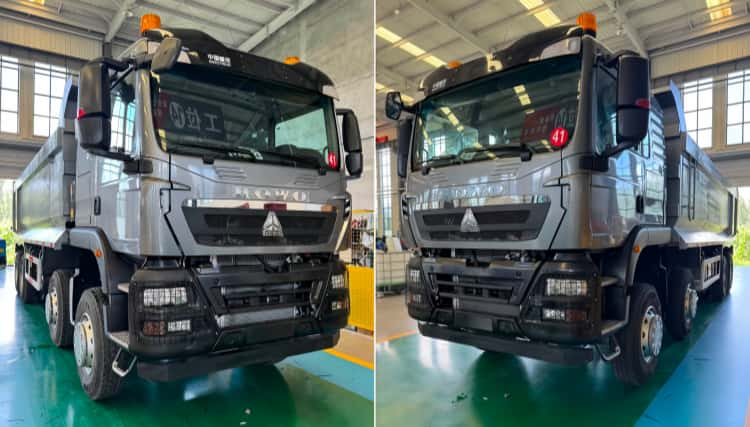
Structural integrity and operational safety are non-negotiable prerequisites for certified reman. Frame and cab structural assessment comes before any other processing work. Any condition that compromises the truck’s inherent safety will disqualify it from reman, regardless of the status of powertrain or other systems. All renewal, restoration and calibration work must maintain or restore the safety level aligned with original design intent. Safety standards apply to the full vehicle, covering braking, steering, load-bearing structures and electrical control logic as a unified safety system.
Standardised lifecycle reset principle
The core objective is to deliver a predictable new lifecycle for the entire vehicle. This principle means heavy truck reman is not limited to fixing existing faults or extending remaining service time. The whole truck goes through systematic renewal so that its overall service cycle is reset. After completion, the vehicle has defined performance boundaries, expected service intervals and clear maintenance guidance for fleets. Every action taken during reman serves this reset goal for the complete asset.
Unified grading and unconditional wear-part renewal principle
All disassembled components of the truck follow the same grading criteria. Parts are classified into reusable, restorable and mandatory replacement groups based on vehicle-level standards. Wear parts across all systems are replaced without exception, no matter how good they appear visually. This eliminates hidden ageing risks distributed across different subsystems of the truck, rather than only changing parts that show obvious damage. This consistent rule applies to every system on the vehicle equally.
Restored-to-original-design principle
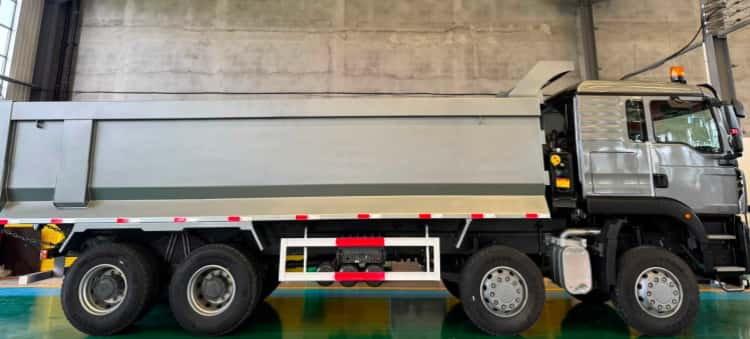
Restoration work returns qualified components and vehicle structures back to OEM design specifications. Restoration is not a way to stretch components beyond their engineered safe limits. Frame straightening, surface treatment, machining and calibration all follow original design dimensions and performance requirements. Once restored, every part must pass re-verification before it is fitted back to the truck. The finished whole vehicle is expected to operate within the original design envelope of that truck model.
Full vehicle validation principle
Acceptance is confirmed only through integrated whole-vehicle testing. Isolated bench tests of individual assemblies are not sufficient for certification. The fully reassembled truck must complete static function checks, dynamometer testing and loaded road validation. These tests verify cross-system coordination, stable operation under rated working load, braking performance, thermal balance and communication between all control systems. The truck passes certification only when its overall integrated performance meets the standard.
Full traceability principle
A complete, vehicle-bound record trail accompanies the reman truck throughout its new lifecycle. A unique identification number links all intake history, structural inspection reports, component grading records, restoration logs, assembly checklists and final vehicle test data. All records are archived and retrievable for fleets, auditors and downstream stakeholders. Traceability covers the whole vehicle, making every key decision during the remanufacturing workflows transparent and verifiable.
Closed-loop circulation principle
Certified heavy truck reman sits inside a managed circular ecosystem. When a certified reman truck eventually finishes its new service cycle, it will enter reassessment. If eligible, it can go through another round of vehicle-level reman; if not, it enters regulated material recycling. High-value vehicle structures and materials are kept in controlled circulation, avoiding uncontrolled dismantling and leakage of usable assets into informal markets.
REMAN ROAD’s positioning of these principles
These basic principles form the foundation of REMAN ROAD’s standard system. They are written around the complete heavy truck, so fleets and suppliers share the same set of expectations for what certified reman truck means. Any vehicle claiming to be standard heavy truck reman must follow these principles through the full remanufacturing workflows.
Closing Summary
Certified heavy truck reman follows eight core principles: whole-vehicle priority, safety first, standard lifecycle reset, unified grading and mandatory wear-part replacement, restoration to original design, full vehicle validation, complete traceability and closed-loop circulation. These principles keep reman truck-centred, guarantee consistent quality, and make lifecycle reset a reliable, auditable solution for fleet circular asset management.