Pros of Running Standardized Reman Trucks: Less Downtime & Higher Productivity
Introduction
For fleet operators, vehicle downtime directly translates to lost revenue, delayed project milestones and extra labor costs. Many procurement teams mistakenly assume remanufactured trucks carry higher failure risks than new vehicles. For standardized reman trucks, this assumption is incorrect.
Built on fixed reman SOP, full component inspection and mandatory fatigue parts replacement, standardized reman trucks deliver drastically fewer unexpected breakdowns. The core operational benefit is clear: less downtime equals higher fleet productivity. This article breaks down how standardized remanufacturing achieves this operational advantage.
Eliminate Hidden Failure Points Before Deployment
The root cause of unplanned downtime is invisible mechanical defects left undetected. Standardized remanufacturing workflow removes these risks at the factory stage, before the truck arrives on site.
- Full disassembly of chassis, powertrain and key assemblies to inspect every component, instead of only surface visual checks.
- NDT non-destructive testing detects invisible frame cracks and metal fatigue, which are common failure triggers for heavy-duty operation.
- All aging fatigue consumables including seals, hydraulic hoses, bearings and rubber bushes are mandatorily replaced, regardless of outward appearance.
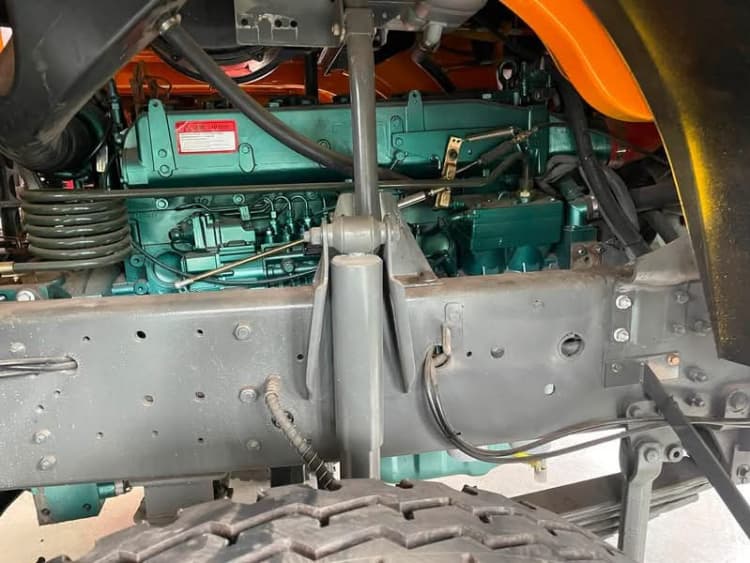
- Worn engine, gearbox and axle components are restored or replaced, then verified via bench load testing.
Workshop-refurbished trucks skip these deep checks. Hidden defects will surface suddenly during heavy load work and force emergency shutdowns.
Predictable Component Lifecycles Enable Planned Maintenance
Standardized remanufacturing creates uniform component aging patterns, making scheduled maintenance simple and reliable.
- Every standardized reman trucks follows identical component replacement rules, so service intervals are consistent across the whole fleet.
- Maintenance teams can build fixed service calendars, rather than reacting to random breakdowns.
- The VIN-bound digital dossier records every rebuilt or replaced part, so technicians know the service life of each assembly in advance.
- Planned service can be arranged during off-hours or project downtime windows, avoiding interruption to core transport tasks.
When maintenance is predictable, fleets avoid emergency repair rush and keep maximum vehicles in active service.
Fewer Emergency Repairs Reduce Site Disruption
Unplanned breakdowns trigger cascading losses on construction sites, mines and concrete transport lines. Standardized remanufacturing workflow drastically cuts emergency repair events.
- Bench-tested powertrain and braking systems maintain stable performance under continuous heavy load.
- Hydraulic systems (critical for mixers, tippers and tankers) pass pressure holding tests to prevent sudden oil leakage or system stall.
- Lower failure frequency reduces emergency part sourcing, roadside repair calls and vehicle towing costs.
- Less sudden breakdown means fewer idle workers, less waiting for downstream equipment and uninterrupted material delivery schedules.
For project fleets, avoiding one major roadside breakdown can save far more money than the vehicle procurement price difference.
Unified Fleet Quality Improves Overall Utilization Rate
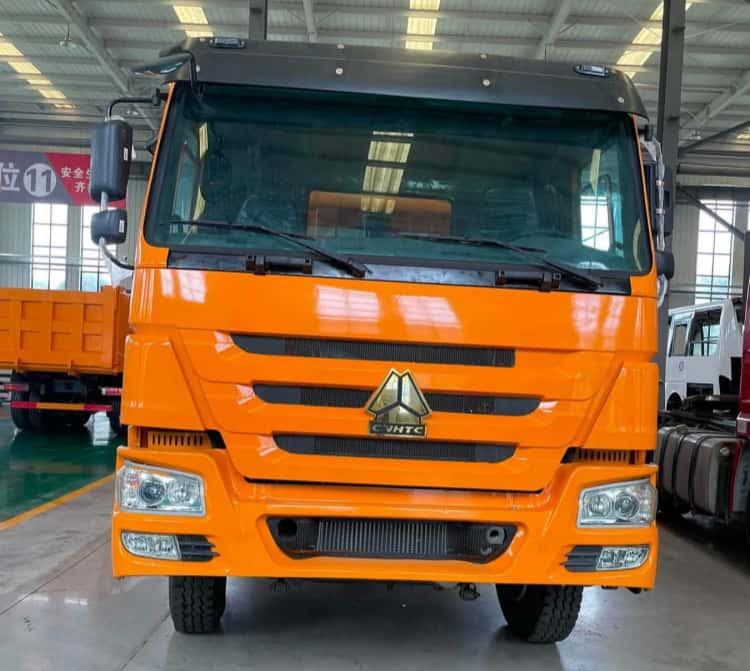
Batch standardized remanufacturing fleets have consistent performance across every unit, lifting total fleet productivity.
- Engine power, fuel consumption and braking performance are calibrated to near-new standards across all standardized reman trucks.
- No “weak link” vehicles with unstable condition, which often drag down fleet scheduling in mixed used/refurb fleets.
- Drivers can operate with familiar handling characteristics, reducing human error and operational wear.
- Fleet managers can allocate vehicles evenly across work zones without worrying about individual truck reliability gaps.
Higher vehicle availability rate means the fleet can complete more transport tasks within the same project timeline.
Fast Warranty & After-Sales Support Minimize Recovery Time
Standardized reman trucks come with formal warranty and traceable records, shortening recovery time when service is needed.
- Complete component traceability allows service teams to quickly identify the correct spare parts for repair.
- Authorized service networks support fast fault diagnosis, avoiding long waiting periods for technical assessment.
- Clear warranty scope and VIN-linked inspection records speed up claim approval, reducing administrative delays.
Even in rare cases where repairs are required, the downtime window is much shorter compared with undocumented refurbished vehicles.
Long-Term Productivity Gain: Stable Asset Performance Across Project Cycles
The productivity advantage of standardized remanufacturing lasts throughout the medium-term project lifecycle.
- Unlike cheap refurbished trucks that degrade rapidly after 6–12 months, standardized reman trucks maintain stable performance for 3–5 years.
- No gradual power drop, rising fuel consumption or recurring small faults that slowly reduce daily task output.
- Consistent performance helps fleets keep steady delivery volume and meet contractual KPIs.
- Less time spent on troubleshooting and vehicle management lets the fleet team focus on core project operations.
Conclusion
Less downtime and higher productivity are not incidental benefits of standardized reman trucks — they are built into the standardized reman workflow.
- Factory-level inspection and mandatory parts replacement eliminate hidden failure risks that cause sudden shutdowns.
- Uniform component lifecycles support planned maintenance and reduce emergency repair disruptions.
- Batch-consistent quality improves fleet utilization, while traceability and warranty cut recovery time for any required service.
For fleet decision-makers, standardized reman trucks are not merely a cheaper procurement option. They are an operational asset designed to maximize uptime, stabilize site workflows and unlock higher project productivity.