How Standardised Reman Acceptance Criteria Makes Fleet Quality Control Scalable?
Introduction
When fleets start buying reman units in small volumes, quality control can rely on senior technicians doing one-off, deep-dive inspections. But as procurement scales to multiple reman partners, staggered batch deliveries and distributed worksites, manual subjective checks become unsustainable.
Without shared reman acceptance criteria, each remanufacturers interprets requirements differently, inspectors apply inconsistent standards, and quality drift creeps into the fleet. Formal, standardised reman acceptance criteria turn quality control into repeatable, scalable workflows, aligning suppliers, internal audit teams and pre-shipment inspectors under one single benchmark.
Uniform Gates Remove Inspector Subjectivity
Standardised reman acceptance criteria translate quality expectations into measurable thresholds, not descriptive guidelines. They specify NDT coverage, corrosion thickness limits, dynamometer performance bands, torque values, leak tests, documentation checklists and warranty prerequisites. Every inspector uses the same pass/fail matrix.
This eliminates the risk of one inspector approving a marginal unit while another rejects an identical build. For scaling fleets, this means quality outcomes stay consistent even when new auditors or site supervisors join the team.
Common Criteria Simplifies Multi-Supplier Reman Programmes
Fleets that onboard multiple reman factory partners need a shared baseline to compare outputs. Standardised reman acceptance criteria are embedded into RFQs, framework agreements and batch orders. All suppliers must build, test and document against the same set of rules.
Instead of creating separate inspection checklists for each workshop, the fleet’s QC team uses one master checklist for all incoming heavy reman trucks. This reduces the administrative overhead of managing custom specifications and makes side-by-side supplier performance tracking straightforward.
Pre-Shipment And Inbound QC Can Be Delegated Safely
Scalable quality control does not require the fleet’s senior engineers to witness every rebuild. Standardised reman acceptance criteria define what evidence must be provided by the remanufacturer before shipment. Remanufacturers submit signed test logs, traceability records and inspection reports.
The fleet’s QC team can carry out targeted sampling audits rather than full unit-by-unit deep inspection. This sampling approach is defensible because the rules are fixed, and non-conformance triggers clear escalation and rework protocols. It lets the fleet handle larger delivery volumes without expanding the internal QC team proportionally.
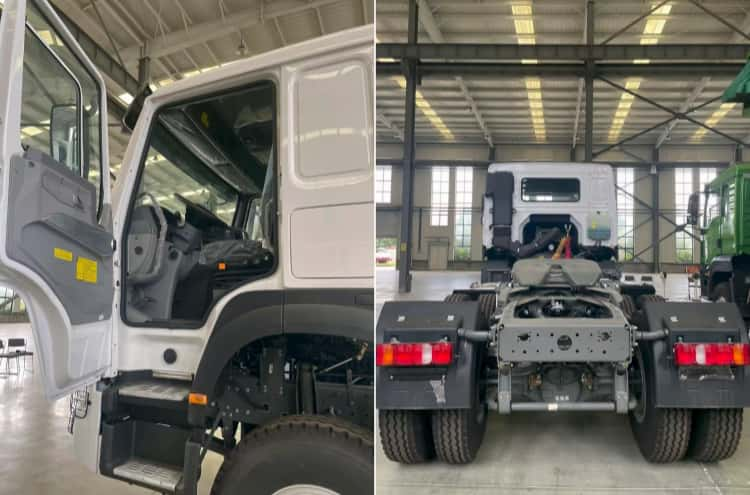
Centralised Non-Conformance Tracking Drives Continuous Improvement
Standardised reman acceptance criteria also create a common language for non-conformance reporting. Failures are categorised against the same list of requirements: bench test deviation, insufficient corrosion documentation, missing NDT records, incorrect component grading and so on.
Data from every batch flows into the fleet’s reman data lake. Analysts spot recurring failure modes across remanufacturers, batches or rebuild stages. This feedback loop lets the fleet refine the criteria and hold suppliers accountable systematically, rather than resolving quality issues as isolated, one-off disputes.
Consistent Criteria Supports Training, KPI Reporting And TCO Modelling
A shared acceptance baseline simplifies technician training, fleet dashboards and financial forecasting. Maintenance teams know what condition and performance profile to expect from every heavy reman truck. Uptime, repair frequency and component wear KPIs can be aggregated reliably across the whole fleet.
Since all heavy reman trucks are validated to the same standard, finance teams can use unified TCO assumptions instead of adjusting for variable supplier quality. This consistency is critical for multi-year framework agreements and large-scale fleet renewal roadmaps.
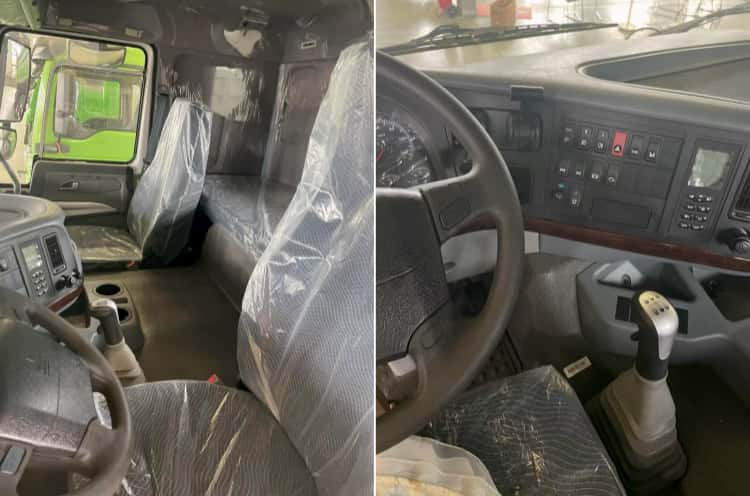
Conclusion: Standard Reman Acceptance Criteria Turn QC From Bottleneck Into Scalable System
Standardised reman acceptance criteria replace subjective judgement with measurable, auditable rules. They allow fleets to onboard multiple suppliers, grow batch sizes and spread heavy reman trucks across sites without quality erosion. By aligning expectations, simplifying audits and enabling structured sampling, these criteria make fleet quality control scalable as the reman programme expands.