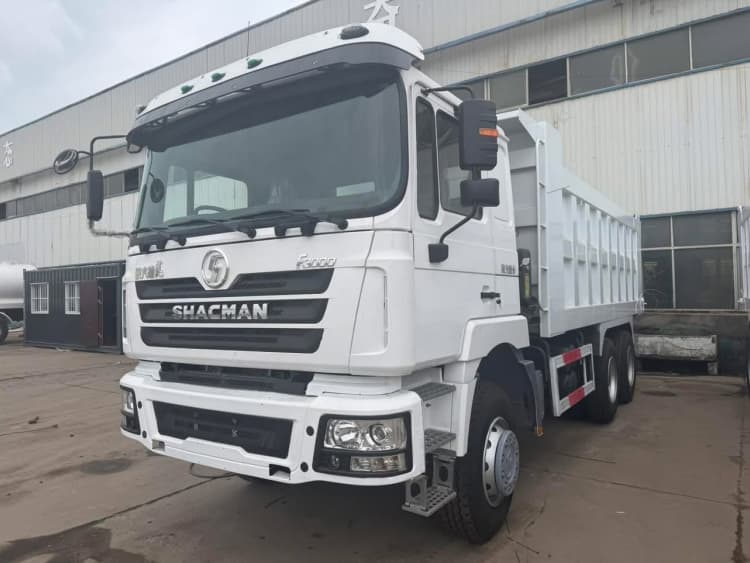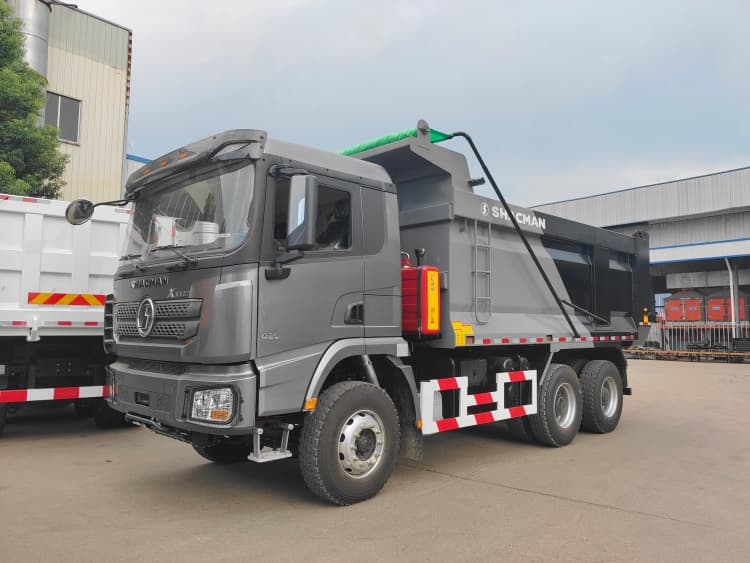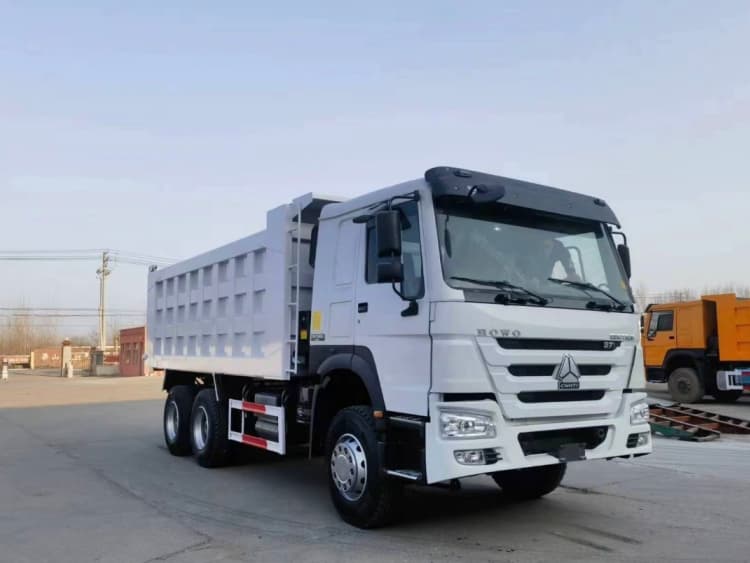
Why Contractors in Developing Countries Rely on Heavy Reman Construction Vehicles?
Introduction
Construction and haulage contractors operating across developing countries face a distinct set of operational constraints: limited financing access, long lead times for imported new equipment, erratic spare-part supply, fluctuating project cash flow and tender budgets that leave little room for expensive asset purchases. While brand-new construction trucks and plant equipment deliver long service life, their high upfront cost and slow delivery often make them impractical for local contractors.
Verified reman construction vehicles address these market realities. Built to consistent rebuild standards, fully tested and available with shorter lead times, reman units have become a strategic workhorse for contractors balancing project delivery, cash limits and unreliable equipment supply chains.
Lower Capital Entry Aligns With Constrained Local Financing
Many local contractors lack the collateral, credit history or long-term finance terms required to fund brand-new heavy construction machinery. New trucks often carry prohibitive import duties, shipping fees and high interest rates on equipment loans.
Qualified reman construction vehicles come with a far lower purchase price, reducing the size of loans or the cash required upfront. This lets contractors bid on smaller and medium-sized civil works, road projects and site haulage contracts without overextending their balance sheets. Contractors can deploy reman construction vehicles to win initial work, generate revenue and reinvest profits gradually, rather than waiting years to afford new equipment.
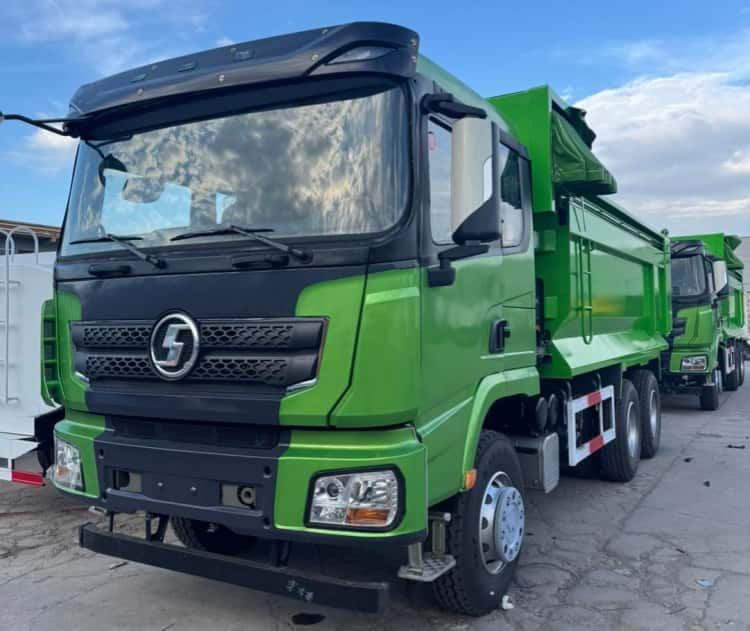
Faster Lead Times Match Short Notice And Tender Timelines
In many developing markets, infrastructure projects move quickly once funding is released. Tender awards arrive with short mobilisation windows, and imported new construction vehicles can take months or even a year to arrive via ports and customs.
Qualified reman construction vehicles are often stocked locally or built from regional core pools, so they can be mobilised to site in weeks. This speed is critical for contractors who need to hit project commencement deadlines, avoid mobilisation penalties and secure future repeat tender opportunities. Heavy reman construction vehicles removes the risk of winning a contract but having no equipment ready to start work.
Familiar Component Platforms Simplify Local Repair And Parts Sourcing
Generic imported new models often rely on proprietary, low-volume parts that are slow and expensive to source locally. Benchmarked reman construction vehicles are usually rebuilt around widely recognised, common chassis and engine platforms already familiar to local workshops and technicians.
Local mechanics already understand their service logic, and aftermarket or regional replacement components are easier to source. When breakdowns occur on remote sites, contractors avoid waiting weeks for specialised OEM parts shipped from overseas. This local service ecosystem drastically cuts downtime in areas with limited formal equipment support networks.
Predictable Uptime Reduces Exposure To Liquidated Damages
Infrastructure contracts in developing regions frequently include strict penalty clauses for delayed earthworks, material hauling or site preparation. Casual, uninspected used construction vehicles carry hidden fatigue defects and unpredictable failure rates, which can trigger costly project delays.
Heavy reman construction vehicles undergo full disassembly, NDT inspection and load testing before delivery. Their failure patterns are far more predictable, with defined service intervals and warranty coverage. For contractors, this reliability reduces the chance of unplanned downtime that could erase project margins or damage their reputation with clients and government tender bodies.
Flexible Exit Paths Support Project-Based Contracting Cycles
Most contractors operate on a project-by-project basis. Once a road, dam or housing site finishes, they may not need the same fleet size long-term. New heavy construction equipment holds high depreciation risk when resold quickly.
Verified reman construction vehicles with complete rebuild traceability have established local secondary demand. Contractors can redeploy them to the next site, rent them out or sell them without facing crippling write-downs. This flexible residual value profile makes reman ideal for project-based contractors whose equipment needs rise and fall with tender wins.

Conclusion: Reman Construction Vehicles Fit The Unique Operating Context Of Developing-Market Contractors
Verified reman construction vehicles are not merely a “cheap alternative” for contractors in developing countries. They are a practical solution shaped by local financing limits, port and import delays, regional spare-part ecosystems and short-cycle infrastructure contracting.
Lower upfront cost, fast mobilisation, serviceable common platforms and defendable residual value combine to help contractors bid confidently, meet project deadlines and protect tight margins. For local civil and haulage businesses, benchmarked reman construction vehicles turns equipment access from a major barrier to growth into a competitive advantage.